The information provided in this article is intended solely for general informational and educational purposes. It does not constitute medical advice, diagnosis or professional treatment, and should not be considered a substitute for consultation with a qualified doctor or other licensed healthcare professional. Any health-related decisions should be made in consultation with accredited medical professionals.
While efforts have been made to ensure the information is accurate and up to date, no guarantees are given—either express or implied—regarding its accuracy, completeness, currency or suitability. Use of this information is at your own discretion.
It is strongly recommended to consult official sources such as the NHS (National Health Service) or other recognised medical institutions before acting on any information contained on this website or article. Under no circumstances should professional medical advice be ignored or delayed due to content read here.
This content is of a general and informational nature only. It is not intended to replace individualised guidance from a healthcare professional or to establish any doctor-patient relationship. The publication of this information does not imply any professional responsibility, guarantee or obligation on the part of the author or this site.
Have you ever thought about vitamins as something that can be harmful? It might surprise you to know that too much of a good thing, like vitamin E, can actually lead to problems. You know how we think of vitamins as our health allies? Well, they can sometimes become foes if taken in excess.
This article dives into recognizing the symptoms of vitamin E overdose and what to do if it happens. Vitamin E is crucial for many bodily functions like protecting cells and supporting immune health. But, when the amount you take crosses a certain limit, those benefits can turn into risks.
We’ll explore how much vitamin E is too much and help you identify warning signs. Maybe you’ve taken supplements or eaten fortified foods; understanding the balance is essential. If you’re ever in doubt about your vitamins, it’s always a good idea to chat with a healthcare professional before making any changes. Remember, this content doesn’t replace medical advice; it’s more about helping you stay informed.
Uncover the Surprising Effects of Overdoing It on Vitamin E
Understanding Vitamin E Overdose
Vitamin E is a fat-soluble nutrient that plays important roles in the body, including acting as an antioxidant. But, like anything else, too much of a good thing can become problematic.
Usually, we get enough vitamin E through our diet. It’s found in nuts, seeds, and green leafy veggies. However, some people take supplements thinking it’s harmless or even beneficial.
What Happens When You Overdo It?
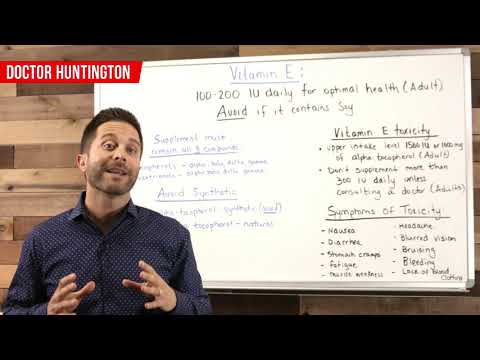
When you consume excessive amounts of vitamin E—especially through supplements—your body can react negatively. Signs of overdose may be subtle at first, but they can escalate.
- Nausea and Diarrhea: An upset stomach is among the first signs that might crop up.
- Fatigue: Feeling unusually tired or weak can also happen.
- Bleeding Issues: High levels interfere with blood clotting, which could lead to excessive bleeding during injuries.
Why Does This Occur?
Your body needs a certain balance of vitamins to function properly. When you take too much vitamin E, it can disrupt that harmony. The vitamin can act as a blood thinner when consumed in large quantities. That’s where those bleeding issues come from.
Recognizing Symptoms
If you are noticing any of the symptoms mentioned earlier after taking high doses of vitamin E, it’s better not to ignore them. Sometimes these symptoms feel mild at first but can indicate something more serious if left unaddressed.
Treatment Options
If you suspect you’ve overdosed on vitamin E or experience concerning symptoms, it’s smart to speak with a healthcare professional. They’ll usually recommend stopping the supplement immediately and may suggest tests to check your vitamin levels.
A Balanced Approach
The key takeaway here is moderation. While vitamins are essential for health, overdoing it isn’t advisable and can have unexpected effects on your body. Always try to get nutrients primarily from food sources whenever possible.
A Final Note
Navigating vitamins and supplements can sometimes feel overwhelming; however understanding their role is crucial for making informed choices about your health. Listen to your body and pay attention to any changes when starting new supplements!
Uncovering the Truth About Vitamin E’s Impact on Your Skin
Understanding Vitamin E and Its Role for Skin
Vitamin E is often praised in the beauty world. But what exactly does it do for your skin? Well, it’s primarily an antioxidant. This means it helps combat free radicals, which can damage skin cells. Free radicals come from things like sun exposure and pollution.
This vitamin also plays a role in skin hydration. When applied topically, people often find that it makes their skin feel softer and more nourished. Sounds good, right? However, there’s more to know.
The Risk of Overdoing It
Although vitamin E has many benefits, you can overdo it—especially with supplements. Taking too much vitamin E could lead to some unwanted side effects. Some of the symptoms of an overdose include nausea, diarrhea, or even blurred vision.
In extreme cases, high doses might interfere with blood clotting. That sounds scary! But keep in mind that this typically happens when someone takes supplements way beyond the recommended amounts.
Recognizing Symptoms
If you’re taking vitamin E supplements and start feeling off, pay attention to those signs. Nausea can sneak up on you; you might just feel a bit queasy at first. Diarrhea is another clear warning sign: if it’s persistent, best look into your supplement intake.
Sometimes people also report fatigue or weakness as symptoms of overdose—this can be confusing because they could stem from many different issues.
Treatment Options
If overdosing on vitamin E occurs, don’t panic! Stopping the supplement generally helps alleviate symptoms over time. Hydrating well and getting enough rest is also crucial in these situations.
In more serious instances or if symptoms worsen–like experiencing bleeding–it’s best to reach out to a healthcare professional for guidance.
A Word About Balance
The key takeaway here is balance. Getting vitamins through a varied diet is typically safer than relying too much on supplements. Foods rich in vitamin E include nuts, seeds and leafy greens—so try focusing on those!
If you’re considering adding a supplement to your routine or having some concerns about your current intake of vitamins like E, chatting with someone knowledgeable about nutrition might give you more peace of mind.
Unveiling the Surprising Factors Behind Elevated Vitamin E Levels
Understanding Vitamin E and Its Importance
Vitamin E is a fat-soluble vitamin that plays a key role in our body. It’s important for maintaining healthy skin, eyes, and immune function. Think of it as a protector of cell membranes. You can find it in foods like nuts, seeds, and green leafy vegetables.
What Causes Elevated Vitamin E Levels?
Sometimes, people may have higher levels of vitamin E than what’s normal. This can happen due to various factors. One common reason is taking supplements without needing them. Some folks believe that more is always better, but that’s not true when it comes to vitamins.
- Excessive supplementation: Taking too many vitamin E capsules can lead to high blood levels.
- Health conditions: Diseases like liver or kidney diseases might affect how your body processes vitamins.
- Poor diet: Relying heavily on processed foods might throw off the balance of nutrients.
Recognizing Symptoms of Vitamin E Overdose
If your vitamin E levels are too high, you might experience symptoms that can be confusing. They could include nausea, diarrhea, and even fatigue. In some cases, people might notice unusual bleeding or bruising because excess vitamin E can affect blood clotting.
Treatment Options for High Vitamin E Levels
If someone has elevated levels of vitamin E, the first step is often stopping supplements or adjusting their diet. Doctors might suggest regular monitoring to ensure those levels go back to normal over time. It’s important to communicate openly with healthcare providers about any symptoms you’re facing.
The Role of Diet in Managing Vitamin Levels
A well-balanced diet helps maintain proper nutrient levels in the body. Eating a variety of fruits, veggies, whole grains and proteins ensures you get enough vitamins without going overboard on any one nutrient.
Common Myths About Vitamin Supplementation
A lot of people think that if some vitamins are good for you, then more must be better. But that’s not necessarily true! Each vitamin has an optimal level that supports health without causing harm.
- Busting the myth: More vitamin E doesn’t mean better skin or health benefits; it can actually cause problems!
- The balance matters: It’s about finding the right amount for your unique needs rather than maximising intake.
The Bottom Line
If you’re concerned about your vitamin E levels—whether low or high—it’s always wise to chat with someone who knows about health stuff like nutritionists or doctors. Your health journey is unique and should be treated as such!
Recognizing the Symptoms and Treatment of Vitamin E Overdose
Vitamin E is a fat-soluble vitamin that plays a crucial role in protecting cells from oxidative stress. It’s found in many foods, like nuts, seeds, and green leafy veggies. While it’s essential for health, excessive intake can lead to serious issues.
So, you might wonder—how much is too much? The upper limit for adults is around 1,000 milligrams per day from supplements. When it comes from food sources alone, it’s pretty rare to overdose.
The symptoms of an overdose can vary. Some common ones are nausea, diarrhea, and fatigue. In more severe cases, people might experience blurred vision or bleeding problems because Vitamin E can interfere with blood clotting.
Treatment usually involves stopping the intake of vitamin E supplements. It’s often about managing symptoms rather than a specific antidote. For instance, if someone has bleeding issues, healthcare professionals may monitor and treat those complications specifically.
It’s also important to understand that people taking blood-thinning medications should be particularly cautious with Vitamin E doses due to this potential interaction.
Recognizing these signs early on is key. Just listening to your body can guide you in understanding your needs better! If there’s ever doubt about your vitamin intake or health concerns arise, consulting a healthcare provider can provide clarity and safety.
This information is crucial for anyone considering supplementation—balance really is the name of the game!