
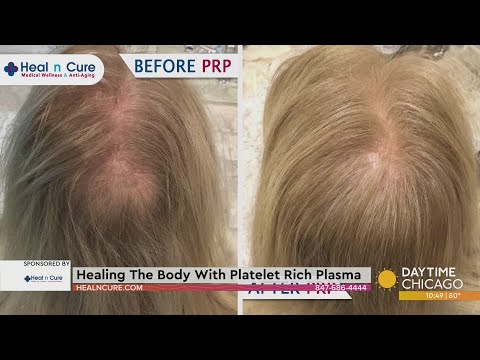
Have you ever wished for a way to rejuvenate your body using your own healing powers? Platelet-Rich Plasma (PRP) injections might just pique your curiosity! This innovative treatment harnesses the healing properties of your blood to help you recover from injuries, reduce pain, and even improve skin appearance. The concept sounds almost like science fiction, but it’s based on solid biology—your body has amazing capabilities, and PRP aims to tap into that.
The process involves taking a small sample of your blood and separating the platelets from other components. These platelets are packed with growth factors that can stimulate healing and tissue regeneration. When injected into specific areas of the body, they kickstart a natural repair process. Think of it like giving your body a nudge to heal faster!
However, while PRP offers exciting possibilities, it’s essential to approach this treatment with caution. Not everyone is a candidate, and results can vary from person to person. It’s crucial to consult reputable specialists who can guide you through the options available. Additionally, diverse media sources should be explored for well-rounded information about this treatment.
Remember, informed decisions are key! Make sure to do thorough research and seek advice from different experts before diving into any new health regimen or procedure. Your health journey deserves careful consideration.
The information provided in this article is intended solely for general informational and educational purposes. It does not constitute medical advice, diagnosis or professional treatment, and should not be considered a substitute for consultation with a qualified doctor or other licensed healthcare professional. Any health-related decisions should be made in consultation with accredited medical professionals.
While efforts have been made to ensure the information is accurate and up to date, no guarantees are given—either express or implied—regarding its accuracy, completeness, currency or suitability. Use of this information is at your own discretion.
It is strongly recommended to consult official sources such as the NHS (National Health Service) or other recognised medical institutions before acting on any information contained on this website or article. Under no circumstances should professional medical advice be ignored or delayed due to content read here.
This content is of a general and informational nature only. It is not intended to replace individualised guidance from a healthcare professional or to establish any doctor-patient relationship. The publication of this information does not imply any professional responsibility, guarantee or obligation on the part of the author or this site.
Exploring the Science Behind PRP Injections and Their Healing Potential
Platelet-Rich Plasma (PRP) injections have gained popularity in recent years. Many people are curious about how they work and what benefits they might offer. Let’s explore the science behind PRP and its healing potential.
PRP is derived from your own blood. When you donate a small amount, it’s processed to concentrate the platelets. These platelets are known for their role in healing wounds.
When we injure ourselves, platelets rush to the site to help start the healing process. They release growth factors that can stimulate tissue regeneration and repair.
During a PRP treatment, this concentrated plasma is injected into specific areas of your body that need healing. People often seek PRP for conditions like tendon injuries, joint pain, or even for skin rejuvenation.
How does it work? The idea is that by increasing the concentration of growth factors at an injury site, the body can heal more effectively. Think of it like putting extra fertilizer on a garden to help plants grow stronger.
Research shows mixed results regarding the effectiveness of PRP. Some studies suggest it may help with certain conditions, while others show minimal benefit. This inconsistency is important to consider when thinking about treatment options.
It’s also vital to understand that PRP is not suitable for everyone. Certain medical conditions could affect its effectiveness or suitability as a treatment option.
If you’re considering PRP therapy, talk to healthcare professionals about your specific situation. They can provide valuable insights tailored to your needs and help set realistic expectations.
In summary, PRP injections harness your body’s natural healing capabilities through concentrated platelets. While there’s promising potential, individual outcomes can vary widely based on various factors.
Stay informed and approach such treatments with curiosity and caution!
Unpacking the Price Tag on Platelet-Rich Plasma Treatments
Platelet-Rich Plasma (PRP) treatments have gained attention in recent years, especially for their potential use in rejuvenation therapies. But how much do these treatments really cost? Let’s break it down.
First, PRP involves drawing a small amount of your blood. The blood is then processed to concentrate the platelets, which promote healing. The technology sounds advanced, so you might expect a higher price tag.
Factors influencing the cost:
Typically, a single PRP session can range from $500 to $2,000. This broad range depends on where you live and the clinic’s reputation.
Beware of clinics offering bargain prices. Sometimes lower costs may indicate less experienced practitioners or subpar equipment.
Another consideration is how many sessions you might need. Many people require multiple treatments for optimal results.
There are also ongoing maintenance costs to think about if you’re looking at areas like hair growth.
Insurance often does not cover PRP treatments because they are considered elective or experimental for many conditions. Always check with your insurance provider before starting any treatment to understand potential out-of-pocket expenses.
Research fully before choosing a clinic. Look for reviews and ask questions about their equipment and processes.
This way, you’ll be making an informed choice about your health and wellness investments when it comes to PRP therapy.
Understanding the price tag on these treatments empowers you to make responsible decisions that suit your budget and health goals.
Exploring the Efficacy of PRP Injections: What You Need to Know
Platelet-Rich Plasma (PRP) injections are gaining popularity in the health and wellness world. They are often discussed for their potential benefits in various treatments, including skin rejuvenation and healing.
So, what exactly is PRP? It’s a component of your blood. When you take a sample of blood and spin it in a centrifuge, the heavier parts settle at the bottom. The lighter part remains on top—this is where platelets live. These platelets are rich in growth factors that can promote healing.
How does it work? During PRP therapy, this platelet-rich fluid is injected into specific areas of the body. The idea is to harness your body’s own healing powers to improve conditions like joint pain or skin issues.
Some studies suggest that PRP may help with osteoarthritis, tendon injuries, and even hair loss. However, it’s important to note that research is still ongoing. While there are encouraging results, findings can sometimes be mixed.
What should you consider? Here are some key points:
There remain many unanswered questions about how effective PRP really is for different problems. Some might experience improvement while others may not notice any change.
Another aspect worth mentioning is the safety profile of PRP injections. Because they use your own blood, there’s generally a low risk of allergic reactions or major complications. However, as with any medical procedure, there are potential side effects such as pain at the injection site or infection.
So where does that leave us? Informed decisions are essential. Engaging in conversations with healthcare providers about treatment options allows for better understanding and expectations going forward.
The hype around PRP may attract attention due to its innovative approach to healing. Yet, it’s vital to approach this treatment with realistic expectations and an awareness of its limits.
If you’re considering PRP therapy for any reason, do thorough research first. Ask questions and ensure you understand both the potential benefits and risks involved before making any decisions about your health journey.
Platelet-Rich Plasma (PRP) injections have gained popularity as a rejuvenating treatment for various health concerns, particularly in aesthetics and orthopedics. This technique leverages the body’s own healing properties by utilizing concentrated platelets from the patient’s blood to facilitate tissue repair and regeneration.
In aesthetic applications, PRP is often used to improve skin texture, reduce fine lines, and promote hair growth. The treatment is akin to giving your skin a nutritional boost from within. Just as plants thrive better with proper nutrients, our skin can benefit from the growth factors found in platelets.
In orthopedics, PRP injections target injuries or degenerative conditions, such as arthritis or tendonitis. Here, the approach is similar to calling in reinforcements for healing; the platelets release proteins that help accelerate recovery and alleviate pain.
However, while many report positive outcomes, it’s crucial to note that results can vary widely among individuals. Studies have shown mixed efficacy across different conditions, meaning PRP isn’t a one-size-fits-all solution.
It’s essential not to fall for myths or exaggerated claims surrounding this treatment. A thorough consultation with a knowledgeable professional can provide personalized insights and set realistic expectations about potential benefits and risks.
Ultimately, PRP treatments represent an exciting intersection of modern medicine and natural healing but should be approached thoughtfully. We should prioritize evidence-based practices while remaining open-minded about innovative techniques like PRP in our journey toward wellness.
