
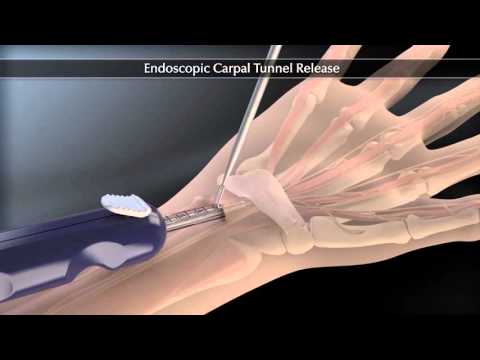
Carpal Tunnel Syndrome (CTS) can feel like a frustrating puzzle. Imagine trying to do daily tasks, like writing or using your phone, while battling tingling fingers and aching wrists. The discomfort may seem overwhelming, but there is hope—surgery could be a key piece of that puzzle.
When conservative treatments, such as splinting and physical therapy, aren’t enough to ease the symptoms of CTS, surgical options become a consideration. This procedure aims to relieve pressure on the median nerve, providing significant relief for many. The idea is exciting: fewer limitations in your daily life and a return to activities you love!
However, it’s crucial to approach this journey thoughtfully. Not every case requires surgery, and decisions should be based on individual needs and professional guidance. Consult multiple specialists—like orthopedic surgeons or neurologists—and seek out reliable information from various media sources. This careful exploration will help you understand the risks and benefits associated with surgery.
Remember that relief awaits not just through surgical intervention but also through informed choices. Your health deserves the best care possible!
The information provided in this article is intended solely for general informational and educational purposes. It does not constitute medical advice, diagnosis or professional treatment, and should not be considered a substitute for consultation with a qualified doctor or other licensed healthcare professional. Any health-related decisions should be made in consultation with accredited medical professionals.
While efforts have been made to ensure the information is accurate and up to date, no guarantees are given—either express or implied—regarding its accuracy, completeness, currency or suitability. Use of this information is at your own discretion.
It is strongly recommended to consult official sources such as the NHS (National Health Service) or other recognised medical institutions before acting on any information contained on this website or article. Under no circumstances should professional medical advice be ignored or delayed due to content read here.
This content is of a general and informational nature only. It is not intended to replace individualised guidance from a healthcare professional or to establish any doctor-patient relationship. The publication of this information does not imply any professional responsibility, guarantee or obligation on the part of the author or this site.
Practical Tips and Comfort Strategies for a Smooth Recovery Journey
Recovering from surgery for carpal tunnel syndrome can feel overwhelming. But with some practical tips and comfort strategies, this journey can become a bit smoother. Here are some ideas to consider.
First, prioritize rest. Your body needs time to heal. Taking breaks during the day helps reduce fatigue and promotes recovery. Listen to your body’s signals. If you feel tired or sore, give yourself permission to rest.
Next, manage pain effectively. Your healthcare provider may suggest medications for comfort. Follow their guidance on dosage and timing. You might also try ice packs for swelling or heat pads for muscle relaxation, depending on what feels right for you.
Keep your hand elevated when resting or sleeping. This can help minimize swelling and improve circulation. Prop it up with pillows or cushions to find a comfortable position.
Consider using assistive devices. Simple tools like a sock aid or jar opener can make daily tasks easier while you recover. These devices are designed to reduce strain on your hands and wrists.
Don’t forget about physical therapy! After surgery, gentle exercises guided by a therapist can help restore strength and mobility over time. They’ll work with you on activities that promote healing without causing harm.
Another key aspect is maintaining a healthy diet. Nourishing your body aids recovery. Focus on whole foods like fruits, vegetables, lean proteins, and whole grains to give your body the nutrients it needs.
It’s also important to stay hydrated. Water supports every function in the body, including healing processes. Keep a water bottle handy so you remember to sip throughout the day.
Managing stress is crucial too! Consider practicing mindfulness techniques like deep breathing or meditation. Reducing stress can have positive effects on overall well-being during recovery.
Finally, keep communication open. Share any concerns with your healthcare provider during follow-up visits. They are there to assist you through this journey.
Remember, everyone recovers at their own pace. Be patient with yourself as you take these steps towards feeling better post-surgery!
Discovering the Timeline for Your Recovery Journey After Carpal Tunnel Surgery
Recovering from carpal tunnel surgery can feel overwhelming. Understanding the timeline can help you manage expectations. It’s important to keep in mind that everyone’s journey is unique.
Immediately after surgery, you might feel some discomfort. This is normal. The complete recovery time varies but generally takes weeks to months.
Here’s a simple breakdown of what to expect:
It’s vital to follow your surgeon’s post-operative instructions closely. This includes resting when needed and being careful about lifting or straining your wrist.
Don’t rush the process! Patience is key as your body heals from surgery. Each individual recovers at their own pace, so focus on your progress rather than comparing it with others.
If any unusual symptoms arise during recovery, such as severe pain or discoloration, reach out for guidance promptly. Remember that healing takes time, and taking care of yourself is part of the journey!
Exploring Effective Non-Surgical Solutions for Carpal Tunnel Relief
Carpal Tunnel Syndrome (CTS) can be uncomfortable and frustrating. It occurs when the median nerve in the wrist becomes compressed. This can lead to symptoms like pain, tingling, and weakness in the hand.
Many people seek relief without surgery. There are effective non-surgical options to explore first.
Wrist Splints
Wearing a wrist splint, especially at night, can help keep your wrist in a neutral position. This reduces pressure on the median nerve and may provide significant relief.
Physical Therapy
Engaging in physical therapy can strengthen and stretch your wrist and hand muscles. A therapist will guide you through exercises designed to improve flexibility and reduce pain.
Ergonomic Adjustments
Making simple changes to your workspace can also be helpful. Ensuring your keyboard is at the right height or using tools that require less force can make a difference.
Corticosteroid Injections
For some, corticosteroid injections may offer temporary relief by reducing inflammation around the nerve. This treatment should always be discussed with a healthcare provider.
Heat and Cold Therapy
Applying heat or cold packs can soothe discomfort as well. Cold packs reduce swelling while heat helps relax tense muscles.
Lifestyle Changes
Consider adjusting habits that might contribute to symptoms. Taking regular breaks from repetitive tasks allows your hands to rest, which is crucial for healing.
It’s important to remember that not all treatments work for everyone.
Keep in mind that these non-surgical solutions aim for symptom management rather than a permanent fix for CTS. Always listen to your body, as signs of worsening symptoms should prompt professional evaluation.
Exploring these non-surgical solutions may lead you toward greater comfort without immediate need for surgical intervention.
Surgery for carpal tunnel syndrome can be a significant turning point for many individuals suffering from the condition. This procedure aims to relieve pressure on the median nerve, which, when compressed, leads to pain, numbness, and weakness in the hand and fingers.
Understanding this surgery is essential for informed decision-making. Relief often comes soon after recovery, allowing individuals to regain functionality and return to their daily activities with greater ease.
However, it is crucial to approach this option with a clear mind.
many find relief through nonsurgical treatments like splinting or physical therapy.
surgery is typically recommended when conservative treatments fail after an extensive period.
Preparing for surgery also involves understanding potential risks and benefits. Most patients experience increased relief post-surgery, but some might have temporary discomfort or complications.
Education and preparation are vital. Knowing what to expect can alleviate anxiety surrounding the procedure while fostering realistic goals for recovery and rehabilitation.
Ultimately, surgery represents just one piece of the broader puzzle of managing carpal tunnel syndrome. Open discussions with healthcare providers about treatment options can help each individual make choices that best suit their needs and lifestyles.

