When it comes to skincare, the names retinol and tretinoin often pop up. They can feel like elusive concepts, but they play vital roles in achieving healthy, radiant skin. Think of them as two sides of the same coin, both derived from vitamin A and working wonders in the world of dermatology.
Retinol is an over-the-counter option that’s gentle and more accessible for most people. It’s like a friendly doorbell ringing softly to let your skin know it’s time for a renewal. On the other hand, tretinoin is a prescription-strength powerhouse known for its faster results and potency. Imagine it as a loud knock at the door—effective but with a bit more intensity.
With both options available, how do you choose which one suits your skin best? It’s crucial to understand their differences and how each can affect your unique skin type. While retinol may be perfect for some, others might benefit more from the strength of tretinoin.
However, before embarking on your skincare journey with either product, it’s essential to do your homework. Different skins require different care. Explore various resources and consider consulting with multiple specialists to get well-rounded insights tailored to you. Remember, what works wonders for one person may not suit another!
The information provided in this article is intended solely for general informational and educational purposes. It does not constitute medical advice, diagnosis or professional treatment, and should not be considered a substitute for consultation with a qualified doctor or other licensed healthcare professional. Any health-related decisions should be made in consultation with accredited medical professionals.
While efforts have been made to ensure the information is accurate and up to date, no guarantees are given—either express or implied—regarding its accuracy, completeness, currency or suitability. Use of this information is at your own discretion.
It is strongly recommended to consult official sources such as the NHS (National Health Service) or other recognised medical institutions before acting on any information contained on this website or article. Under no circumstances should professional medical advice be ignored or delayed due to content read here.
This content is of a general and informational nature only. It is not intended to replace individualised guidance from a healthcare professional or to establish any doctor-patient relationship. The publication of this information does not imply any professional responsibility, guarantee or obligation on the part of the author or this site.
Unraveling the Truth Behind Two Skincare Powerhouses
When it comes to skincare, retinol and tretinoin are often discussed as powerhouses for improving skin health. They may sound similar, but they have important differences.
Retinol is a vitamin A derivative often used in over-the-counter products. It’s like the entry-level version of this skincare ingredient. Many people find it effective for reducing fine lines and improving texture.
In contrast, tretinoin is a prescription-strength form of retinoic acid. It works directly on skin cells and can produce faster results. Think of it as taking the escalator instead of the stairs.
Both help with acne, sun damage, and signs of aging. However, since tretinoin is stronger, it might come with more side effects such as irritation or dryness.
Here are some key points to consider when choosing between them:
It’s also important to understand how both ingredients work. They help increase cell turnover. This means old skin cells slough off more easily, revealing brighter skin beneath.
Another common myth is that if one doesn’t work immediately, the other won’t either. This isn’t true! Everyone’s skin reacts differently.
Additionally, using these products might make your skin more sensitive to sunlight. Always remember to apply sunscreen during the day if you’re using either product at night.
In summary, both retinol and tretinoin have their benefits depending on individual needs and conditions. Consider your own skin type, concerns, and how quickly you want results when deciding which one might suit you better.
As always, if you’re unsure about what’s best for your skin, consult a healthcare professional who can guide you based on your specific situation. Knowledge is power when it comes to making informed decisions about skincare!
Unpacking the Power Shift in Skincare Ingredients
Skincare has come a long way, with ingredients evolving to meet the needs of our skin. Two prominent players in this field are retinol and tretinoin. They both belong to the vitamin A family but work in slightly different ways.
Retinol is like the popular friend who everyone knows. It’s widely available in over-the-counter products. Using retinol might take time for your skin to see results, often several weeks or even months.
Tretinoin, on the other hand, is more like that elite team member who gets things done quickly but requires a prescription to access. It works faster and is often prescribed for acne and aging concerns.
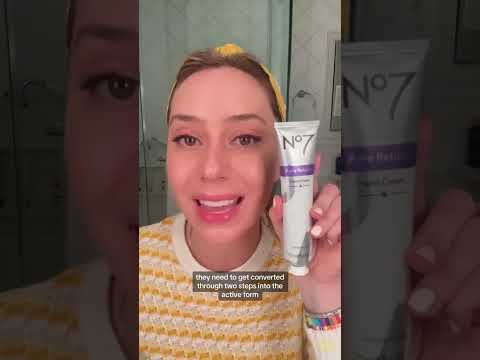
Understanding how they function can help you make informed choices. Retinol converts into tretinoin within the skin, so it takes longer to act. This makes it a gentler option for those who want to ease into using vitamin A products.
Tretinoin, however, is fully active as soon as you apply it. That means you may notice more immediate effects but also a higher chance of irritation or dryness, especially when starting out.
When choosing between them, consider your skin type and concerns. If you have sensitive skin or are new to these ingredients, starting with retinol could be wise.
If you’re dealing with stubborn acne or more pronounced signs of aging, consult someone who can guide you on whether tretinoin could be appropriate for you.
In conclusion, both retinol and tretinoin are powerful skincare allies with unique characteristics.
The best choice depends on your skin’s specific needs and how well it tolerates these ingredients. Always listen to your skin and adjust accordingly!
Unlocking the Secret to Youthful Skin: The Advantages of Tretinoin
Tretinoin is a powerful ingredient that many people turn to for youthful skin. It’s a form of retinoic acid, which is derived from vitamin A. This means it plays a key role in skin health.
First, let’s understand what tretinoin does. It encourages cell turnover. This is like shedding old skin to reveal fresh, new skin beneath. Imagine turning over the leaves in your garden; it allows new growth to thrive.
Tretinoin can also help with fine lines and wrinkles. By stimulating collagen production, it helps to plump the skin and diminish signs of aging. Collagen is like scaffolding for your skin; it keeps it firm and resilient.
Here are some advantages of using tretinoin:
Now you might be curious about retinol. While similar, they are not the same. Retinol is available over-the-counter and converts into tretinoin within the skin. This makes it milder but less potent.
If you’re considering using these products, start slow with either option—especially with tretinoin—as it can cause irritation like redness or peeling at first. Think of it as a workout for your skin; just like you wouldn’t run a marathon without training first!
It’s always smart to patch test any new product on a small area of your skin before applying widely. Everyone’s skin reacts differently.
Lastly, remember that sun protection is crucial when using tretinoin. It makes your skin more sensitive to sunlight, so wearing sunscreen becomes even more important.
In conclusion, while both tretinoin and retinol have their benefits, understanding how each works will guide you in making informed decisions for your skincare routine. Always consider consulting with someone who understands skincare deeply before starting any new treatment plan!
When it comes to addressing skin concerns like acne, aging, and uneven texture, both retinol and tretinoin are popular choices. However, they aren’t the same thing. Understanding their differences is crucial for informed skincare decisions.
Retinol is a milder form of vitamin A. It’s available over-the-counter, making it accessible for many. It converts into tretinoin in the skin but does so gradually, which means effects may take longer to manifest. This slower action often results in fewer side effects, making retinol a good starting point for those new to vitamin A products.
On the other hand, tretinoin, also known as all-trans retinoic acid, is stronger and typically available by prescription. It’s effective at promoting cell turnover and addressing various skin issues more quickly than retinol. However, this potency often comes with increased potential for irritation.
Choosing between them depends on your skin type and goals. If you’re sensitive or just beginning your journey with retinoids, retinol might be your best bet. If you’re looking for more immediate results and can handle some potential discomfort, tretinoin could be worth discussing with a skincare professional.
Both options can significantly benefit your skincare routine when used correctly. Consider starting slowly with either product to gauge how your skin responds before adjusting frequency or dosage. Always remember that every person’s skin reacts differently; what works wonders for one individual may not suit another.
Ultimately, whether you choose retinol or tretinoin should align with your unique skin needs and lifestyle preferences. Maintaining an open dialogue with a knowledgeable source can aid in making the best choice for healthy, radiant skin.