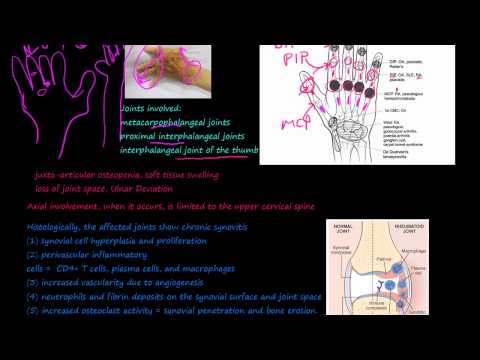
Rheumatoid arthritis (RA) is more than just a stiff joint or occasional discomfort. It’s an autoimmune condition that can affect not only your joints but also your overall quality of life. Imagine your immune system, which usually protects you from infections, mistakenly attacking your own body. This miscommunication can lead to persistent inflammation and pain.
Understanding the symptoms of RA is crucial. They often begin subtly—perhaps some morning stiffness or swelling in the fingers and toes. Over time, these signs may develop into greater challenges, impacting daily activities and emotional well-being. Awareness can lead to early diagnosis, which is essential to manage this condition effectively.
Diagnosing RA typically involves a combination of physical examinations, lab tests, and imaging studies. It’s like piecing together a puzzle: each test provides valuable insights into your health status. Early detection allows for timely intervention, helping to minimize joint damage and improve long-term outcomes.
However, caution is necessary. RA can be difficult to diagnose because it varies widely from person to person. Symptoms may overlap with other conditions, leading to potential misdiagnoses or delays in treatment. Seek information from various specialists—rheumatologists are key players here—but also explore different reputable sources like health organizations and academic resources.
Stay curious and informed! This curiosity will empower you to understand rheumatoid arthritis better and make decisions that support your health journey. Always ask questions, seek second opinions if needed, and never hesitate to advocate for yourself as you navigate the complexities of this condition.
The information provided in this article is intended solely for general informational and educational purposes. It does not constitute medical advice, diagnosis or professional treatment, and should not be considered a substitute for consultation with a qualified doctor or other licensed healthcare professional. Any health-related decisions should be made in consultation with accredited medical professionals.
While efforts have been made to ensure the information is accurate and up to date, no guarantees are given—either express or implied—regarding its accuracy, completeness, currency or suitability. Use of this information is at your own discretion.
It is strongly recommended to consult official sources such as the NHS (National Health Service) or other recognised medical institutions before acting on any information contained on this website or article. Under no circumstances should professional medical advice be ignored or delayed due to content read here.
This content is of a general and informational nature only. It is not intended to replace individualised guidance from a healthcare professional or to establish any doctor-patient relationship. The publication of this information does not imply any professional responsibility, guarantee or obligation on the part of the author or this site.
Uncovering the Signs: A Step-by-Step Guide to Identifying Rheumatoid Arthritis
Rheumatoid arthritis (RA) is a chronic inflammatory condition that primarily affects the joints. It can lead to pain, swelling, and even damage over time. Understanding how to identify the signs of RA is an important first step.
First, notice early symptoms. Many people with RA experience joint stiffness, especially in the morning. Think of it like getting out of bed after a long sleep; your body feels stiff and slow. This stiffness usually lasts for at least 30 minutes after waking.
Next, consider the pain levels. The pain from RA often flares up in multiple joints at once. It tends to be symmetrical, meaning if one knee hurts, likely the other one will too. This is different from other types of arthritis that might affect just one side.
Another telltale sign is swelling around joints. Look for puffiness or warmth around your fingers, wrists, or knees. This may happen without any obvious injury or reason.
Fatigue is also common among individuals with RA. You might feel unusually tired or run-down even after resting well at night. This fatigue can stem from inflammation and the body’s immune response working overtime.
Systemic symptoms may accompany joint issues too. Some people experience fever or loss of appetite alongside their joint pain. It can be as subtle as feeling slightly under the weather without any typical cold symptoms.
Keep track of how long these symptoms last and whether they come and go over time. Fluctuating symptoms are often characteristic of rheumatoid arthritis.
If you notice several of these signs consistently over weeks or months, it’s a good idea to consult a healthcare professional for further evaluation.
They might conduct blood tests for specific markers like rheumatoid factor or anti-CCP antibodies which help in diagnosing RA more accurately.
In summary:
Awareness is key when it comes to rheumatoid arthritis. Recognizing these signs early on can help manage this condition more effectively later on! Always remember to seek professional advice if you’re unsure about any changes in your health.
Discover the Key Signs That Could Indicate Rheumatoid Arthritis
Rheumatoid arthritis (RA) is a chronic condition that mainly affects the joints. It can lead to pain, swelling, and stiffness, often becoming worse over time. Understanding the early signs is important to seek timely help.
Morning Stiffness: One of the classic signs of RA is stiffness in the morning. Many people notice that their joints are stiff for at least 30 minutes after waking up. This isn’t just “sleeping funny.” It’s a signal that something more might be happening.
Pain in Multiple Joints: RA often affects multiple joints on both sides of the body. You might feel pain or tenderness in your hands, wrists, or knees. If you see this pattern, it’s worth paying attention to.
Fatigue: Feeling unusually tired can also be an early indicator of RA. This fatigue isn’t just about needing more sleep; it’s a deep weariness that doesn’t go away with rest.
Swelling and Redness: Look out for any swelling or redness around your joints. Inflammation is a key feature of RA, and swollen joints can feel warm to the touch.
Nodules Under Skin: Some individuals develop firm lumps under their skin called rheumatoid nodules. These commonly occur near affected joints but can appear anywhere.
Symmetry: One unique aspect of rheumatoid arthritis is its symmetry. If one joint hurts or swells, chances are the same joint on the opposite side might also be affected.
Recognizing these signs early can help you start conversations with health professionals sooner rather than later.
It’s crucial not to jump to conclusions based solely on symptoms; many conditions mimic each other. Keep track of what you’re feeling and note any changes over time.
If you suspect you may have rheumatoid arthritis, consider seeking advice from a healthcare provider. They can perform specific tests to diagnose and guide treatment options tailored for you.
Remember, being informed helps empower your health decisions!
Uncover the Early Signs and How to Recognize Them
Rheumatoid arthritis (RA) is a chronic condition that can affect many aspects of life. Recognizing its early signs is crucial for effective management. The sooner one seeks support, the better their chances of maintaining a good quality of life.
Understanding RA starts with knowing it is an autoimmune disorder. This means the immune system mistakenly attacks healthy joint tissue. This leads to inflammation, pain, and eventual joint damage.
Early symptoms often begin subtly. You might not notice them right away. Here are some common early signs:
These signs can come and go, which often confuses individuals experiencing them. It’s essential to pay attention to patterns in your body.
You might wonder what causes RA. The exact cause is unknown, but genetics, environment, and hormonal factors may play a role. Think of it as a puzzle where several pieces fit together over time.
If you notice these symptoms regularly, it’s wise to consult someone knowledgeable about rheumatoid arthritis. They can provide guidance on whether further evaluation is necessary.
Diagnosis typically involves a combination of physical exams and lab tests. Blood tests may check for specific markers associated with RA.
Don’t let fear dictate your health journey. Just because symptoms appear doesn’t mean you must rush into decisions without thought or planning. First step: Documenting your symptoms helps when discussing with a healthcare provider.
Remember that early intervention can lead to better outcomes in managing rheumatoid arthritis symptoms. Always seek out reliable sources and gather information responsibly before making health decisions.
Finally, don’t fall for myths about RA cures or quick fixes online; there isn’t one-size-fits-all solution for everyone affected by this condition. Focus on understanding your body and building a solid support system around you!
Rheumatoid arthritis (RA) is an autoimmune condition that primarily affects the joints but can also have systemic implications. Understanding its symptoms and diagnosis is crucial for early intervention and effective management.
Symptoms of RA often include joint pain, stiffness, and swelling, especially in the morning or after periods of inactivity. Different from regular wear-and-tear arthritis, RA can affect both sides of the body simultaneously, making it more symmetrical. Fatigue and fever may accompany these physical symptoms, signaling systemic involvement.
When it comes to diagnosis, there’s no singular test for RA. Healthcare professionals typically rely on a comprehensive approach that includes medical history, physical examination, blood tests for specific markers like rheumatoid factor or anti-CCP antibodies, and imaging studies like X-rays. This multifaceted method helps to rule out other conditions and identify RA accurately.
Understanding these aspects is vital not just for those diagnosed with RA but also for their families and support systems. Early recognition leads to better management strategies, helping individuals maintain a higher quality of life despite the challenges posed by this chronic condition. Knowledge empowers patients to engage actively in their care journey while dispelling myths surrounding rheumatic diseases.
In summary, awareness of rheumatoid arthritis symptoms and proper diagnostic methods lays the groundwork for timely treatment. Open discussions about this condition can encourage more people to seek help sooner rather than later.