
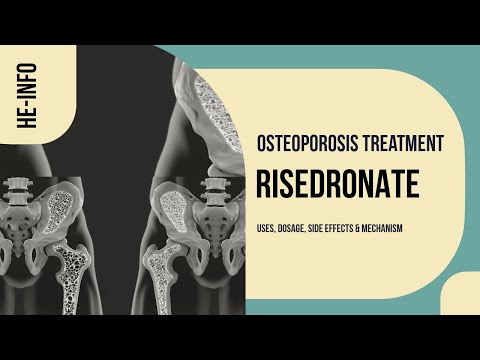
Risedronate is a medication that plays a vital role in bone health, particularly for those at risk of osteoporosis. Imagine your bones as a sturdy building; over time, without the right maintenance and care, it can weaken or crack. Risedronate helps bolster that structure, preventing fractures and keeping your skeletal system strong.
This medication isn’t just about taking a pill; it’s about understanding how it fits into your overall health journey. Whether you’re dealing with osteoporosis or other bone-related conditions, knowing how Risedronate works can empower you to make informed decisions.
However, like any medication, Risedronate comes with its own set of potential side effects and recommended dosages that are essential to know. It’s crucial to delve into these aspects to ensure safe and effective use.
Warning: While Risedronate can be beneficial for many, it’s important to remember that not every treatment is right for everyone. Side effects can occur, and individual responses vary widely. Before starting any new medication, including Risedronate, consult with healthcare professionals and gather information from reputable sources. Informed choices are the best choices when it comes to your health!
The information provided in this article is intended solely for general informational and educational purposes. It does not constitute medical advice, diagnosis or professional treatment, and should not be considered a substitute for consultation with a qualified doctor or other licensed healthcare professional. Any health-related decisions should be made in consultation with accredited medical professionals.
While efforts have been made to ensure the information is accurate and up to date, no guarantees are given—either express or implied—regarding its accuracy, completeness, currency or suitability. Use of this information is at your own discretion.
It is strongly recommended to consult official sources such as the NHS (National Health Service) or other recognised medical institutions before acting on any information contained on this website or article. Under no circumstances should professional medical advice be ignored or delayed due to content read here.
This content is of a general and informational nature only. It is not intended to replace individualised guidance from a healthcare professional or to establish any doctor-patient relationship. The publication of this information does not imply any professional responsibility, guarantee or obligation on the part of the author or this site.
Unlock Stronger Bones with Weekly Doses
Risedronate is a medication often prescribed to help maintain and improve bone strength. It falls under a class of drugs known as bisphosphonates. These are commonly used for conditions like osteoporosis.
Osteoporosis makes bones weak and fragile, increasing the risk of fractures. Think of bones as long-lasting structures that can get weaker over time, especially if they lack essential nutrients or hormones.
Risedronate works by slowing down the process of bone loss. Imagine it as a shield that protects bones from breaking down too quickly. By doing this, it helps keep your bones healthier and stronger.
Key uses of Risedronate include:
Typically, Risedronate is taken once weekly, but there are variations depending on your specific situation. This schedule allows your body to absorb the medication properly while ensuring you get consistent support for your bones.
However, like all medications, Risedronate may have side effects. While not everyone experiences them, some common ones can include:
Possible side effects:
Most side effects are mild but staying informed is always wise. Always discuss any concerns with a healthcare provider to ensure it’s right for you.
It’s important to take Risedronate correctly for optimal effectiveness—usually first thing in the morning with water and before eating anything else. This helps improve absorption into your system.
Staying physically active and nourishing your body with calcium and vitamin D is crucial too. Think of these as essential building blocks for strong bones.
Lastly, make sure to have regular check-ups to monitor bone health if you’re on Risedronate or similar medications. This keeps everyone aligned on what works best for you.
In conclusion, understanding how Risedronate supports bone health empowers you to take an active role in your wellness journey. Being informed leads to making responsible choices about your health!
Exploring the Reasons to Pause Your Risedronate Treatment
Risedronate is a medication commonly used to treat osteoporosis and other bone disorders. It helps strengthen bones by slowing down bone loss. However, there are times when it might be wise to pause your treatment. Let’s explore some reasons why this could be necessary.
Firstly, side effects can occur with any medication. Risedronate may cause gastrointestinal issues like nausea or stomach pain. If these side effects become bothersome, discussing a pause with a healthcare provider could be beneficial.
Secondly, long-term use of risedronate needs consideration. There’s a potential risk of rare but serious conditions such as osteonecrosis of the jaw or atypical femur fractures. Evaluating the need for ongoing treatment can help minimize risks.
Additionally, interactions with other medications should not be overlooked. Taking risedronate alongside certain drugs may lead to complications. Reviewing all medications with a health professional allows for safe decisions.
It’s also important to think about bone density tests. These tests help assess how well your bones are responding to treatment. If an improvement is noted, it might be reasonable to take a break from risedronate and monitor bone health more closely.
Furthermore, the decision can depend on individual circumstances. Factors like age, overall health, and lifestyle changes all play significant roles in determining whether continuing medication is necessary.
Lastly, always remember that communication is key. Have open discussions with your healthcare provider about any concerns or questions regarding your risedronate treatment plan.
In summary:
With these points in mind, being informed can lead to making better choices about your health and wellness journey. Always take the time to understand what’s best for you and don’t hesitate to seek guidance when needed.
Uncovering the Hidden Impacts of Risedronate on Your Health Over Time
Risedronate is a medication often prescribed to treat osteoporosis. It helps strengthen bones and reduce the risk of fractures. While it can be beneficial, it’s essential to understand its potential impacts on health over time.
First, let’s look at how risedronate works. This drug belongs to a class called bisphosphonates. These medications slow down bone loss, allowing your body to build more bone mass. Think of it as putting up scaffolding while you repair a building—it helps maintain structure while improvements are made.
However, like any medication, risedronate has side effects. Some people might experience mild discomfort like stomach pain or nausea. In rare cases, more serious issues can arise, such as jaw problems or unusual fractures. It’s important to monitor these symptoms and discuss them with a healthcare provider.
When taking risedronate long-term, it’s crucial to balance benefits with risks. The goal is to strengthen bones but also avoid complications that could arise from extended use. Regular evaluations help determine if the treatment is still necessary for you.
Another aspect to consider is dosage. Risedronate can be taken daily, weekly, or monthly based on individual needs and medical advice. Following the prescribed schedule helps maximize effectiveness while minimizing side effects.
It’s also helpful to maintain a healthy lifestyle alongside medication use. Ensure you get enough calcium and vitamin D for your bones through diet or supplements if needed. Weight-bearing exercises contribute to stronger bones too—think walking or dancing!
Some myths surround risedronate and similar medications. For instance, some people believe that once you start taking these drugs, you have to take them forever—this isn’t true! Decisions should always be based on personal health needs and ongoing discussions with healthcare providers.
Finally, remember that your experience with risedronate may differ from others’. Each person’s health journey is unique, so listen to your body and stay informed about your options.
In summary:
Awareness is key in managing any medication effectively over time!
Risedronate is a medication commonly used to treat osteoporosis and other conditions that involve bone loss. Understanding its side effects, dosage, uses, and insights is crucial for informed decision-making.
Side Effects: While Risedronate is generally well-tolerated, some individuals may experience side effects. Common ones include digestive issues like nausea or stomach pain. More serious but rare side effects can include jaw problems or unusual thigh fractures. It’s essential to monitor any adverse reactions and discuss them with your healthcare provider.
Dosage: Risedronate is often taken once a week or once a month, depending on the specific condition being treated. A consistent routine enhances absorption and effectiveness. It’s vital to follow the prescribed regimen carefully.
Uses: The primary use of Risedronate is for preventing and treating osteoporosis in postmenopausal women and individuals taking steroids. It helps in increasing bone density, reducing the risk of fractures.
Insights: The journey of taking Risedronate involves more than just medication; it requires lifestyle changes too—like proper nutrition and weight-bearing exercises for better bone health. Open communication with healthcare providers ensures optimal management of this treatment.
In conclusion, while Risedronate plays an essential role in combating bone loss, understanding its implications fosters responsible health choices. Always consult with a healthcare professional if you have questions or concerns about your treatment plan.


