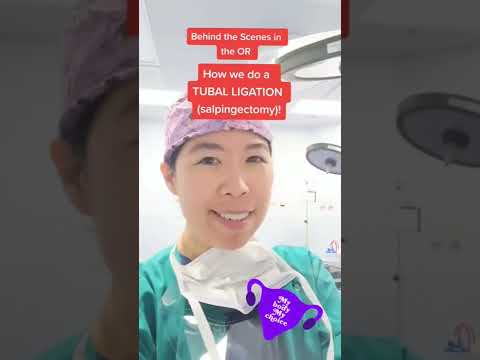
Salpingectomy is a surgical procedure that involves the removal of one or both fallopian tubes. While this might sound daunting, there are valid reasons behind this operation, and understanding its benefits can empower you in making informed health decisions. Think of your fallopian tubes as highways connecting your ovaries to the uterus, playing a crucial role in fertility. When these pathways are compromised—due to conditions like ectopic pregnancies, severe endometriosis, or certain cancers—a salpingectomy may be recommended.
This procedure offers several benefits: it can prevent complications from existing medical conditions, reduce cancer risk in high-risk individuals, and even serve as a form of permanent contraception. For some women facing reproductive challenges or health risks, having this operation can be life-changing and essential for their overall well-being.
However, it’s important to proceed with caution. Not everyone requires a salpingectomy, and each situation is unique. Always consult with healthcare professionals who understand your individual circumstances. Take the time to gather information from various specialists and reliable sources before making any decisions about your body. Remember that knowledge is power; the more you know about your options, the better choices you can make for yourself.
The information provided in this article is intended solely for general informational and educational purposes. It does not constitute medical advice, diagnosis or professional treatment, and should not be considered a substitute for consultation with a qualified doctor or other licensed healthcare professional. Any health-related decisions should be made in consultation with accredited medical professionals.
While efforts have been made to ensure the information is accurate and up to date, no guarantees are given—either express or implied—regarding its accuracy, completeness, currency or suitability. Use of this information is at your own discretion.
It is strongly recommended to consult official sources such as the NHS (National Health Service) or other recognised medical institutions before acting on any information contained on this website or article. Under no circumstances should professional medical advice be ignored or delayed due to content read here.
This content is of a general and informational nature only. It is not intended to replace individualised guidance from a healthcare professional or to establish any doctor-patient relationship. The publication of this information does not imply any professional responsibility, guarantee or obligation on the part of the author or this site.
Exploring the Life-Changing Advantages of Salpingectomy
Salpingectomy is the surgical removal of one or both fallopian tubes. It’s often done for various medical reasons, and understanding its benefits can be enlightening.
Many people choose salpingectomy as a way to reduce the risk of certain health issues. For example, it can lower the chance of developing ovarian cancer. This is especially true for women with a family history of the disease.
Additionally, salpingectomy can prevent ectopic pregnancies. An ectopic pregnancy occurs when a fertilized egg implants outside the uterus, usually in a fallopian tube. These situations can be dangerous and require immediate medical attention.
Another advantage is that this procedure can assist women seeking permanent birth control. Once the fallopian tubes are removed, natural conception becomes impossible. This offers peace of mind for those who have decided they do not want more children.
Recovery from salpingectomy varies based on individual circumstances but often involves some downtime. It’s important to discuss potential side effects or complications with a healthcare provider prior to surgery.
Many may also experience hormonal changes post-surgery since the ovaries remain intact. Monitoring these changes helps maintain overall health after the procedure.
If you’re considering salpingectomy, it’s vital to weigh both its advantages and potential drawbacks. Speaking openly with a healthcare professional will provide clarity on what fits best for your circumstances.
In summary, salpingectomy offers significant life-changing benefits like reducing cancer risk and preventing ectopic pregnancy while serving as a permanent contraceptive method. Ultimately, staying informed helps in making thoughtful health decisions that align with personal needs and values.
Unlocking the Hidden Roles of Fallopian Tubes in Reproductive Health
The fallopian tubes are often overlooked when discussing reproductive health. However, they play crucial roles in the process of conception and overall reproductive function.
These tubes connect the ovaries to the uterus. They are the pathways through which eggs travel after being released from the ovaries. This journey is vital because fertilization typically occurs within these tubes.
If sperm meets an egg in the fallopian tube, it can lead to pregnancy. This highlights why any issues with these tubes can affect fertility. Blocked or damaged fallopian tubes can prevent this meeting from occurring.
Salpingectomy is a surgical procedure that involves removing one or both fallopian tubes. This might sound drastic, but it’s sometimes necessary for health reasons. For instance, women with ectopic pregnancies—where a fertilized egg implants outside the uterus—may require this surgery.
Another reason for salpingectomy is to reduce the risk of ovarian cancer in women who have certain genetic factors. In these cases, removing the tubes may be part of a broader strategy for preventative care.
However, it’s essential to understand that having your fallopian tubes removed impacts fertility directly. Women interested in having children after surgery may need to explore options like IVF (in vitro fertilization) since natural conception is affected.
Considering surgery? It’s important to have open discussions with healthcare providers about all options and risks involved. This ensures that decisions are informed and tailored to individual needs.
In summary, while fallopian tubes might seem like small parts of the reproductive system, their roles are significant. Salpingectomy can be beneficial but also comes with serious considerations regarding fertility and overall reproductive health. Always approach such decisions thoughtfully and with proper guidance.
Exploring the Reasons Behind a Salpingectomy Procedure
Salpingectomy is a surgical procedure that involves removing one or both fallopian tubes. It might sound complex, but it’s done for several important reasons.
One of the main reasons for a salpingectomy is to treat ectopic pregnancies. In an ectopic pregnancy, the fertilized egg implants outside the uterus, often in a fallopian tube. This can be dangerous and requires urgent intervention.
Another reason for this surgery is to address tubal infections. When there’s infection in the fallopian tubes—like pelvic inflammatory disease—it can lead to chronic pain or complications like infertility. Removing the affected tube can help restore health.
Sometimes, salpingectomy is used as a preventive measure for women at high risk of ovarian cancer. The connection between fallopian tubes and ovaries has gained attention in recent years. By removing them, some people may lower their risk.
Additionally, fibroids or growths near the tubes can cause issues like heavy bleeding or pain. If these growths are determined to be problematic, removal of the tube may be part of the treatment plan.
There are also cases where women choose salpingectomy as a form of permanent contraception. This approach provides a long-term solution to prevent pregnancy.
When considering this procedure, it’s crucial to understand both its benefits and potential risks. Understanding your options will help you make informed decisions about your health.
Always consult with healthcare professionals when discussing procedures like salpingectomy. They can provide tailored advice based on individual circumstances.
In summary:
Taking time to learn about such procedures encourages responsible decisions regarding reproductive health.
Salpingectomy, the surgical removal of one or both fallopian tubes, serves important purposes in women’s reproductive health. This procedure can be indicated for various medical reasons, including ectopic pregnancies, severe pelvic infections, or as a preventive measure against certain cancers.
One significant benefit of salpingectomy is its role in reducing the risk of ovarian cancer. Research has shown that removing the fallopian tubes may lower the chance of developing this type of cancer later in life. The procedure also offers a solution for women experiencing chronic pain related to their reproductive organs.
Furthermore, salpingectomy can be beneficial for those seeking permanent contraception. By removing the fallopian tubes, fertilization becomes impossible since eggs cannot travel from the ovaries to the uterus.
However, it is essential to note that this surgery may affect fertility. Women who wish to conceive in the future should discuss their options and potential impacts with their healthcare provider.
In summary, salpingectomy provides several benefits including cancer risk reduction and effective birth control while also presenting considerations regarding fertility. Engaging in open discussions about these aspects ensures informed decisions that align with individual health goals and reproductive plans.