
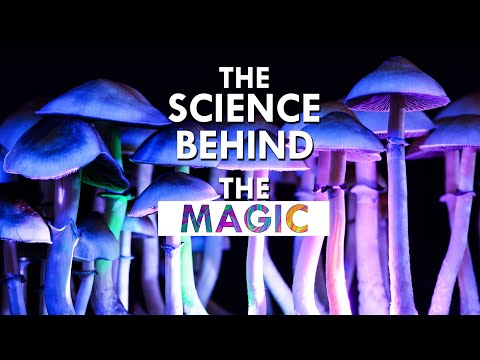
Curiosity about magic mushrooms, or “shrooms,” is growing in today’s society. These fascinating fungi have been a part of human culture for centuries, often linked to spiritual experiences and altered states of consciousness. With recent research highlighting their potential therapeutic benefits, many people are eager to learn more.
In this exploration of magic mushrooms, we aim to answer your burning questions. What are they? How do they affect the mind? Are there risks involved? We want to demystify shrooms and provide you with clear, accessible insights into their use, benefits, and challenges.
However, it’s essential to approach this topic with caution. While magic mushrooms show promise in areas like mental health treatment, they are not for everyone and carry risks, especially if misused. Always seek information from diverse specialists and reputable sources before considering any psychedelics. The world of shrooms can be captivating but deserves careful navigation. Your safety and well-being should always come first.
The information provided in this article is intended solely for general informational and educational purposes. It does not constitute medical advice, diagnosis or professional treatment, and should not be considered a substitute for consultation with a qualified doctor or other licensed healthcare professional. Any health-related decisions should be made in consultation with accredited medical professionals.
While efforts have been made to ensure the information is accurate and up to date, no guarantees are given—either express or implied—regarding its accuracy, completeness, currency or suitability. Use of this information is at your own discretion.
It is strongly recommended to consult official sources such as the NHS (National Health Service) or other recognised medical institutions before acting on any information contained on this website or article. Under no circumstances should professional medical advice be ignored or delayed due to content read here.
This content is of a general and informational nature only. It is not intended to replace individualised guidance from a healthcare professional or to establish any doctor-patient relationship. The publication of this information does not imply any professional responsibility, guarantee or obligation on the part of the author or this site.
Exploring the Hidden Impacts of Extended Mushroom Use
Mushrooms, particularly those with psychoactive compounds like psilocybin, have piqued interest for their potential effects on the mind. Often called “magic mushrooms,” these fungi are gaining attention in both popular culture and scientific research.
However, extended use of these mushrooms can have hidden impacts that are important to understand. While some people report positive experiences, others might face challenges.
Psychological Effects: Magic mushrooms can alter perception and mood. Some individuals may experience profound insights or emotional release during sessions. But extended use might lead to anxiety, paranoia, or lasting changes in perception known as Hallucinogen Persisting Perception Disorder (HPPD).
Tolerance Development: Just like with any substance, using magic mushrooms frequently may lead to decreased effects. This happens because your body gets used to it, requiring higher doses to achieve similar experiences over time.
Physical Health: While psilocybin is not known to be physically addictive, prolonged use could impact your overall health. Regular consumption may affect appetite and sleep patterns, leading to fatigue and nutritional deficiencies.
Mental Clarity: Some users report enhanced creativity or clarity after using these mushrooms. However, regular use might cloud judgment or result in difficulty concentrating over time.
It’s key to remember that everyone reacts differently; what works for one person may not work for another. Understanding your own mental health history is essential before attempting any form of psychedelic experience.
In conclusion, while exploring magic mushrooms can offer intriguing insights and experiences, be mindful of the potential hidden impacts associated with their extended use. Always approach responsibly and consider how they fit into your overall health journey. Making informed choices helps ensure safety and well-being as you navigate this complex landscape.
Unlocking the Hidden Conversations of Fungi
Fungi are fascinating organisms that have been around for millions of years. Among them, magic mushrooms, or “shrooms,” have captured the curiosity of many. These mushrooms contain compounds that can affect our mind and body in unique ways.
When we talk about fungi communicating, it’s not as simple as talking or texting. They use an underground network called mycelium. Think of it like the internet for plants. This network helps them share nutrients and send signals to each other.
Magic mushrooms primarily contain psilocybin, a compound that converts into psilocin in our bodies. This is what affects our brain and alters perception, mood, and cognition. It’s like your brain’s radio tuning to a different frequency.
Research has shown potential benefits of psilocybin for mental health issues like depression and anxiety. However, these findings are still evolving. It’s important to approach this topic with caution and critical thinking.
Here are key points to consider about magic mushrooms:
It’s easy to get swept away by stories of transformation from these substances. However, it’s essential to understand: they aren’t a magic fix.
Many myths surround magic mushrooms—like they can lead you to enlightenment or cure all woes. In reality, every person’s experience is different.
Always remember that while nature offers many wonders, personal safety comes first. Engaging with any substance should be done thoughtfully and responsibly.
As research continues, we will learn more about how fungi—both regular ones and magical ones—can impact our lives. Until then, staying informed is your best ally on this journey through the fascinating world of fungi!
Unlocking the Mysteries of Psychedelics: How Mushrooms Transform Your Mind
Psychedelics, particularly magic mushrooms, have gained attention as intriguing substances that can alter our mindset. The active ingredient in these mushrooms is called psilocybin. When ingested, it affects serotonin receptors in the brain. This interaction can lead to changes in perception, mood, and consciousness.
Many people report experiences of profound insights or emotional release while under the influence of psilocybin. It’s like a window opening to thoughts and feelings we might usually keep locked away. Some also compare it to dreaming while awake.
Understanding how psilocybin works is crucial for those curious about its effects. After ingestion, the body converts psilocybin into psilocin. This compound mimics serotonin, a neurotransmitter that regulates mood and cognition.
Research has shown that psychedelics can induce changes in brain connectivity. It’s almost like rewiring an electrical circuit—different areas of the brain begin communicating more freely with each other. This may explain some of the creative thinking or new perspectives people describe.
However, it’s essential to recognize that this experience isn’t universal. While some individuals may have enlightening journeys, others could encounter difficult emotions or confusion during their experience.
Here are some key points to consider:
It’s also important to note that using magic mushrooms isn’t risk-free. Some individuals have underlying mental health issues that could be exacerbated by these substances.
Current research is still uncovering both potential benefits and risks associated with psychedelics. Some studies look into their use for conditions like depression and anxiety but more exploration is needed.
As interest grows, so does the dialogue around responsible use and ethical considerations surrounding these substances. It’s vital for anyone considering magic mushrooms to approach them thoughtfully and informedly.
While there are stories of transformation linked to psychedelics, it’s important to keep a balanced view. Engaging in open discussions about your experiences or thoughts could enrich your understanding further—just like you’d do when pondering any profound topic in life!
In conclusion, magic mushrooms offer a fascinating glimpse into human consciousness. But navigating this landscape requires curiosity paired with caution—and always an understanding of one’s own mental well-being first and foremost.
“Shrooms Unveiled: Your Magic Mushroom Questions Answered” explores the fascinating world of magic mushrooms and their active compound, psilocybin. This exploration is significant, as interest in psychedelics for therapeutic use is on the rise.
The article answers common questions about magic mushrooms, highlighting their history, use in various cultures, and potential benefits. It emphasizes that while these mushrooms can offer profound experiences, they also come with risks. Understanding these factors is crucial for anyone curious about them.
One key takeaway is that not all experiences with magic mushrooms are positive. Factors like mental health history and the setting can greatly influence an individual’s experience. Therefore, informed and responsible use is vital.
Additionally, this discussion contributes to debunking myths surrounding psychedelics. Many people harbor misconceptions about their safety and legality. It’s essential to approach the topic with critical thinking and awareness of evolving research on their therapeutic possibilities.
In summary, “Shrooms Unveiled” provides a balanced view that encourages curiosity while promoting safety and informed choices regarding magic mushrooms.

