The information provided in this article is intended solely for general informational and educational purposes. It does not constitute medical advice, diagnosis or professional treatment, and should not be considered a substitute for consultation with a qualified doctor or other licensed healthcare professional. Any health-related decisions should be made in consultation with accredited medical professionals.
While efforts have been made to ensure the information is accurate and up to date, no guarantees are given—either express or implied—regarding its accuracy, completeness, currency or suitability. Use of this information is at your own discretion.
It is strongly recommended to consult official sources such as the NHS (National Health Service) or other recognised medical institutions before acting on any information contained on this website or article. Under no circumstances should professional medical advice be ignored or delayed due to content read here.
This content is of a general and informational nature only. It is not intended to replace individualised guidance from a healthcare professional or to establish any doctor-patient relationship. The publication of this information does not imply any professional responsibility, guarantee or obligation on the part of the author or this site.
Have you ever woken up with stiff joints and thought, “Is this what aging feels like?” You’re definitely not alone. Millions of people experience arthritis, which can make simple tasks feel like climbing a mountain.
But here’s the thing: just because arthritis is common doesn’t mean you have to accept it as your fate. Research shows that with some proactive steps, you can manage your symptoms and keep those joint pains at bay.
This article will dive into practical strategies that help reduce inflammation, improve mobility, and boost your overall well-being. We’ll explore everything from diet tweaks to gentle exercises—you know, things that you can weave into your daily routine without feeling overwhelmed.
Remember though, while these tips are valuable, they’re not a replacement for professional medical advice. Always chat with a healthcare provider before making decisions about your health. It’s crucial to find what works best for you.
Let’s get started on this journey to feeling better!
Discover Simple Strategies to Ease Your Arthritis Pain and Boost Your Mobility
Understanding Arthritis and Its Challenges
Arthritis is more than just a common term for joint pain. It actually refers to a group of over 100 conditions affecting joints, tissues, and bones. The most common types are osteoarthritis and rheumatoid arthritis. You know, it’s like when you have an old car that makes weird noises—sometimes it’s just wear and tear or maybe something more serious.
Many people with arthritis experience stiffness, swelling, and sometimes intense discomfort. This can really drain your energy and affect your daily activities. Imagine trying to open a jar when your hands feel stiff—that’s what a lot of folks deal with.
Keeping Active
Staying active may sound counterintuitive when you’re in pain, but gentle exercise often helps reduce stiffness and improve mobility. Think about walking or swimming as low-impact options that get you moving without too much strain on the joints.
- Walking: Just pacing around your home or office can make a difference.
- Swimming: Being in water supports your body weight; it’s soothing for aching joints.
- Biking: Riding a stationary bike is another great way to keep those legs moving.
If you’re not sure where to start, consider chatting with someone who knows about physical activity tailored for safety.
Diet Matters
The foods we eat play an important role too. Some folks find that certain foods help reduce inflammation—or swelling—in their bodies. Including fruits, vegetables, whole grains, and healthy fats like olive oil might be beneficial.
- Berries: They’re delicious and packed with antioxidants that may help fight inflammation.
- Fatty fish: Salmon or mackerel is high in omega-3 fatty acids—think of them as little warriors against pain!
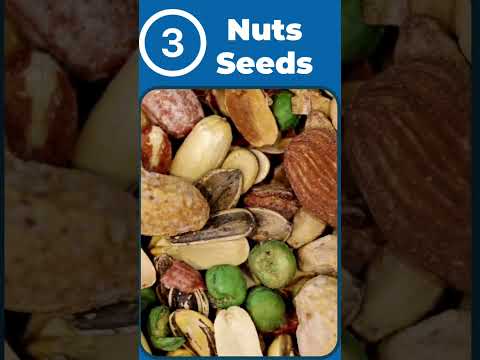
- Nuts: Snacks like almonds can provide healthy fats without stress on the joints.
Avoiding processed foods can also be wise; think of those as the junk clogging up our system!
Pace Yourself
It’s essential to understand your limits. Trying to do too much can lead to flare-ups or worsening pain later on. Try breaking tasks into smaller steps instead of tackling everything at once. For example, if cleaning feels overwhelming, focus on one room at a time.
If you notice fatigue setting in, take breaks often! Just resting for a few minutes can sometimes recharge your batteries—like giving your phone time to charge before using it again!
The Importance of Support
You don’t have to go through this alone! Reaching out for support from friends, family members, or support groups can work wonders. They might offer advice or even just lend an ear when you’re feeling overwhelmed.
- Seniors Centers: Many local community centers offer groups specifically for those dealing with arthritis—check it out!
- Counseling Services: Sometimes talking is just what you need; mental health matters too!
Coping With Stress
Your mental state affects how you experience pain; feeling stressed could amplify it. Mindfulness practices like meditation or deep-breathing exercises are good options here—they’re simple yet effective ways to take care of yourself emotionally too!
A Final Note
Tackling arthritis isn’t about finding one magic solution; it’s about weaving together small changes that work best for you personally! It’s okay if some approaches don’t quite fit right away; keep experimenting until you find what eases yours symptoms most effectively while boosting mobility comfortably.
If nothing seems right yet after trying new strategies—it might be worth having an open talk with a healthcare professional who understands these complexities better than anyone else can help guide alongside management plans suitable only for individual needs—so don’t hesitate reaching out!
Unraveling the Mystery of Arthritis Pain: Understanding the Sources of Discomfort
Understanding Arthritis Pain
Arthritis pain can be confusing, can’t it? You might wonder why your joints hurt or feel stiff. The truth is, arthritis isn’t just one thing; it’s a term for over 100 different types of joint disorders, most commonly osteoarthritis and rheumatoid arthritis.
What Causes the Pain?
The sources of discomfort in arthritis can vary. In osteoarthritis, cartilage—the cushion between bones—wears down over time. This leads to bones rubbing against each other, which is painful. Think about it like two rough surfaces grinding together; that’s what happens in your joints.
On the other hand, rheumatoid arthritis is an autoimmune condition. Here, the immune system mistakenly attacks healthy tissues in your joints. This causes inflammation and swelling. Imagine your body getting confused about what’s good and bad—it can create a lot of unnecessary pain.
Common Symptoms
- Pain during movement or at rest
- Stiffness after inactivity
- Swelling in the affected joints
- A reduced range of motion
You might also experience fatigue or general discomfort throughout your body. It’s not just about aching knees or fingers; it can really affect how you feel overall.
Lifestyle Choices Matter
Living with arthritis involves choices that can make a significant difference. Regular exercise plays a crucial role—yes, it sounds counterintuitive when you’re dealing with pain! But gentle activities like walking or swimming help maintain joint flexibility.
Diet also impacts inflammation levels in your body. Foods rich in omega-3 fatty acids—like salmon—or berries packed with antioxidants can support better health overall. You know what they say: you are what you eat!
Minding Your Mental Health
Mental health is important too; chronic pain can lead to stress and anxiety, which sometimes worsen feelings of discomfort. Find activities that help you relax—yoga, meditation, or even spending time outdoors could do wonders.
The Importance of Early Intervention
If you notice symptoms early on and consult with someone who understands arthritis well, it could pave the way for effective management strategies down the line. Ignoring signs often worsens conditions but catching them early makes a positive difference.
Simpler Steps to Keep Arthritis at Bay
You might be asking yourself how to keep your joints happy! Some simple steps include maintaining a healthy weight to reduce stress on your joints and staying active within your limits.
- Incorporate stretching into your routine to enhance flexibility.
- Consider talking about supplements like glucosamine if you’re curious—they may aid some people but check first!
- Dressing appropriately for weather changes is also key; cold weather often stiffens those achy joints more than usual.
Taking care of yourself goes beyond just medications or treatments; it’s about lifestyle adjustments that add up over time—not every choice will work for everyone but finding what fits for you helps tremendously!
Simple Strategies to Embrace Life and Ease Pain
Understanding Arthritis
Arthritis can be a tough condition. It causes inflammation in your joints, leading to pain and stiffness. This can make simple tasks, like walking or typing, feel challenging. There are many types of arthritis, but osteoarthritis and rheumatoid arthritis are among the most common ones.
Embrace Life with Movement
This might sound counterintuitive at first. But staying active is often key to managing arthritis pain. Gentle exercises like swimming or walking can help maintain joint flexibility. Think of your joints as hinges; if you don’t use them, they get rusty.
Stretching is Your Friend
Incorporating stretching into your routine can improve range of motion too. Try some simple stretches in the morning to start your day on a good note. Even 5-10 minutes can make a difference!
Nourish Your Body
The foods you eat play a huge role in how you feel overall. A balanced diet rich in fruits, vegetables, lean proteins, and whole grains can help manage inflammation. Omega-3 fatty acids found in fish like salmon are particularly reputed to support joint health.
Stay Hydrated
Don’t forget about water! Staying hydrated is important for joint lubrication. It’s easy to overlook this simple yet crucial part of health. Drink enough fluids throughout the day – avoid sugary drinks where possible.
Mental Well-being Matters
Your mind and body are deeply connected. Stress can worsen pain perception so finding ways to relax is essential too! Practicing mindfulness or deep breathing techniques might be helpful.
Connect with Nature
If possible, spend time outdoors! Nature has this amazing ability to calm the mind and lift your spirits—a pleasant walk in a park might just do the trick.
Sit Smartly
If you spend long hours at a desk or on a couch, pay attention to how you’re sitting! Good posture helps alleviate pressure on your joints—make sure your chair supports you well.
Social Support Matters
- Talking with friends or joining support groups can provide emotional comfort.
- A listening ear sometimes works wonders for coping with chronic pain.
- You’re not alone; many people experience similar struggles!
Sleep Quality Counts
A good night’s sleep allows your body to rest and repair itself—making it easier for you to manage pain during the day.Try creating a bedtime routine that encourages relaxation before sleep.
Avoiding Triggers
You may find certain activities flare up symptoms more than others—keeping track of these triggers helps you plan better. Maybe it’s particular movements or weather changes; understanding what affects you personally helps create strategies around it.
Tune In To Your Body
The bottom line is listening closely to what your body tells you matters greatly! Small changes over time add up significantly when trying to ease discomfort associated with arthritis.
Arthritis can be a challenging condition, affecting millions by causing joint pain and stiffness. However, managing it might not be as complicated as it seems. There are simple steps that can significantly improve quality of life for those living with arthritis.
First, regular physical activity is crucial. You don’t have to run a marathon; even gentle exercises like walking or swimming can help keep joints flexible and muscles strong. Think about it like maintaining a car—regular use keeps all the parts running smoothly.
An anti-inflammatory diet can also make a big difference. Foods rich in omega-3 fatty acids, like salmon or walnuts, tomatoes, and leafy greens, may help reduce inflammation. So eating more of these could feel like giving your body the right fuel to keep moving comfortably.
Staying hydrated is often overlooked but super important too. Our joints need water! When you’re well-hydrated, it just makes everything function better—kind of like oil for machinery.
Don’t forget about weight management. Extra pounds put added stress on your joints, especially in weight-bearing areas like the knees and hips. Shedding even a little weight can ease that burden.
Mental health plays a role as well; stress can exacerbate symptoms. Incorporating mindfulness practices such as yoga or meditation into your routine might help you manage that stress better.
Finally, always consult with healthcare professionals for tailored advice—but remember that these small changes can contribute to keeping arthritis at bay
.