The information provided in this article is intended solely for general informational and educational purposes. It does not constitute medical advice, diagnosis or professional treatment, and should not be considered a substitute for consultation with a qualified doctor or other licensed healthcare professional. Any health-related decisions should be made in consultation with accredited medical professionals.
While efforts have been made to ensure the information is accurate and up to date, no guarantees are given—either express or implied—regarding its accuracy, completeness, currency or suitability. Use of this information is at your own discretion.
It is strongly recommended to consult official sources such as the NHS (National Health Service) or other recognised medical institutions before acting on any information contained on this website or article. Under no circumstances should professional medical advice be ignored or delayed due to content read here.
This content is of a general and informational nature only. It is not intended to replace individualised guidance from a healthcare professional or to establish any doctor-patient relationship. The publication of this information does not imply any professional responsibility, guarantee or obligation on the part of the author or this site.
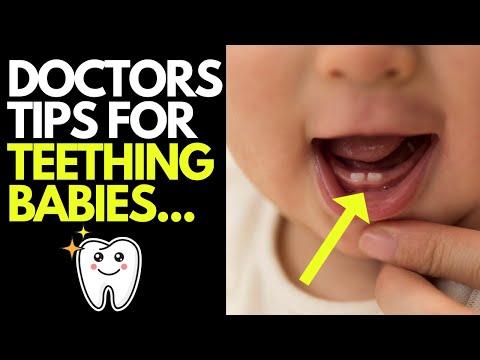
Have you ever watched your baby fuss and cry at night, and wondered what’s bothering them? Teething can be a tough phase for both little ones and their parents. It’s that time when tiny teeth are pushing through tender gums, causing discomfort. Honestly, it can feel overwhelming.
Research shows that most babies start teething around 6 months old. It’s a normal part of growing up, but it sure isn’t easy on anyone involved. The sleepless nights and endless tears can make you feel like you’re in a fog. If you’re nodding along right now, you’re not alone.
This article dives into nine caring strategies to help soothe nighttime discomfort for teething babies. These tips blend gentle methods with practical ideas to offer some relief during this challenging time. Remember, every baby is different; what works for one may not work for another.
And just a heads up: the information here doesn’t replace professional medical advice. Health decisions shouldn’t be made solely based on this article. Always reach out to a healthcare professional if you’re unsure about your baby’s health or well-being.
Soothing Strategies for Sleepless Nights with Your Teething Little One
Teething can be a tough time for little ones, and honestly, it can be pretty stressful for parents too. The discomfort that comes with those tiny teeth breaking through the gums often leads to restless nights. But there are ways to help your baby feel a bit more comfortable.
1. Gentle Massage
A gentle gum massage can work wonders. Use a clean finger to rub their gums lightly. It’s like giving them a mini back rub, but for their mouth! The pressure might offer some relief from the pain.
2. Cold Comfort
Cooled teething rings or washcloths can be magical. Pop them in the fridge (not the freezer!) for a while, then let your baby chew on them. The cold sensation feels good on sore gums and can distract them from any discomfort.
3. Distraction Techniques
Sometimes it helps to just distract your little one from the pain. Try playing their favorite game or reading squeaky books together. Engaging their mind can sometimes take focus away from what they’re feeling.
4. Warm Baths
A warm bath before bedtime is another nice strategy. It relaxes them and may ease some of their discomfort, making it easier for them to settle down at night.
5. Soft Foods
If your baby is older and eating solids, introduce soft foods like mashed bananas or applesauce during the day. These textures are easier on sore gums than hard food options.
6. Keep Calm and Carry On
Your vibe matters too! Staying calm during these tough times helps your baby feel more secure and relaxed as well—like a little bubble of peace amidst all that fussiness.
7. Teething Toys
A variety of safe teething toys can be helpful as well! Choose ones made of softer materials that are easy for tiny hands to hold onto while they munch away on them.
8. Extra Cuddles
Sometimes all they need is extra love and snuggles when they’re feeling cranky at night! Holding your baby close can provide comfort—they might just need to know you’re there.
9. Maintain Routine
You know how important bedtime routines are—sticking with familiar sleep cues makes it easier for babies to wind down even when they’re not feeling great!
Coping with teething isn’t always easy; it’s normal to feel overwhelmed sometimes! Find what works best for you and your little one, but remember: if you’re ever in doubt or concerned about discomfort levels, it’s always wise to check in with someone who knows best about kids’ health!
Discover how to help your little one rest easy during those tough teething nights.
Understanding Teething
Teething can be a tough phase for both babies and parents. It usually starts around six months old, but every child is different. Some might start earlier, while others might take a little longer. During this time, infants may feel discomfort as their teeth begin to break through the gums.
Signs Your Baby is Teething
You’ll notice a few signs if your little one is teething. Excessive drooling, fussiness, and a desire to bite or chew on things are common behaviors. Sometimes, you might see swollen gums or even a slight increase in temperature—though it shouldn’t be very high.
Why do Babies Get Upset at Night?
Nights can be especially fussy for teething babies. You know how sometimes when you’re tired everything seems worse? Well, the same goes for babies! Their discomfort can be heightened during the night when they’re trying to sleep.
Soothing Techniques
- Cool Things Down: Offer a clean, chilled teething ring or washcloth for your baby to bite on—it’s soothing!
- Massage Gums: Gently rubbing your finger along your baby’s gums can provide relief and comfort during those tough moments.
- Create Calmness: Establishing a calming bedtime routine may help signal it’s time to wind down. Think soft songs or gentle rocking.
- Pain Relief Options: If your baby seems particularly uncomfortable, consider discussing options with your pediatrician about suitable over-the-counter remedies—especially designed for infants.
- Avoid Sugar: Keep nighttime snacks simple and healthy. Avoiding sugary foods before bed can help maintain stable energy levels throughout the night.
- Soothe With Love: Sometimes all they need is some quality cuddle time! Holding them close reassures them that they’re safe and loved.
The Importance of Patience
This phase won’t last forever; it’s just part of growing up! While it may feel challenging now, many parents have been there too—your little one will eventually get through this milestone. So hang in there!
A Few Common Myths
- Poor Sleeping Equals Poor Health: Just because sleep is disrupted doesn’t mean something serious is wrong. Teething is merely uncomfortable; it isn’t an illness!
- Biting Means They’re Angry: When babies bite down while teething, it’s more about relieving discomfort than expressing anger or frustration.
If you’re ever uncertain about what’s normal during this stage or how to proceed with care options that suit you best as a parent? Never hesitate to reach out to trusted sources like pediatricians for guidance—they’re wonderful resources!
This journey may have its sleepless nights but remember—it will pass! Take care of yourself too; you deserve it during these times of extra challenge.
Time-Tested Solutions to Soothe Your Little One’s Discomfort
Understanding Teething Discomfort
When babies start teething, it can be a pretty uncomfortable time for both them and their parents. Teething usually begins around six months of age and can last until a child is about three years old. During this period, babies might drool more, want to chew on everything in sight, and may even be a bit cranky. You know that feeling when you’re waiting for something important to happen? That’s kind of what they’re going through!
Signs of Teething
So, how can you tell if your little one is teething? Look for signs like swollen gums, increased fussiness, or loss of appetite. Sometimes they may even have trouble sleeping at night. They can’t really tell you what’s wrong, so it’s up to you to pick up the clues.
1. Cold Washcloths
Dipping a clean washcloth in cold water and letting your baby chew on it can feel really soothing against their sore gums. Just make sure the cloth is clean! It’s like giving them a little icy snack without any calories.
2. Teethers
Teething rings are also great options. You can find ones that you chill in the fridge—just ensure they’re made from safe materials. Think of these as special toys meant just for those aching gums.
3. Gentle Massage
If your baby allows it, try gently rubbing their gums with your finger. It might feel nice to them and provide some relief from that annoying pressure they feel inside their mouths.
4. Distraction Techniques
A change of scenery works wonders sometimes! Engage them with toys or read a story together—anything that takes their mind off the discomfort can help ease those fussy moments.
5. Warm Baths
A warm bath could work miracles too! The warmth might help relax your baby and give them some comfort during disappointing moments when nothing else seems to help.
6. Comforting Environment
Cuddling up with your little one under soft blankets while soothing music plays can create an atmosphere that encourages relaxation and distraction from pain.
The Role of Nutrition
If your little one is eating solids already, offering cool purees or yogurt could be very comforting too! The coldness feels nice on those swollen gums while providing nutrition at the same time—a two-in-one deal!
7. Over-the-counter Options
If discomfort continues and you’re concerned about it affecting sleep or mood significantly, talking with someone who knows about children’s health is always a smart move; they may suggest appropriate over-the-counter options if deemed necessary.
Sipping Hydration Matters Too!
A lot of times during this phase babies might get slightly dehydrated because eating less was hard for them due to discomfort—keeping sips available helps maintain hydration levels essential for well-being!
The Importance of Patience
This part can’t be skipped: remember this phase is normal but also temporary! Patience goes a long way here; staying calm yourself will help soothe both you and your baby during these times.
- Soothe effectively:
- Create distraction:
- Cuddle lots:
- Breathe easy:
No matter what strategies work best for your family—having options available will empower you as parents facing those tough nights together!
Teething can be a tough time for both babies and parents. It’s a phase filled with discomfort, restlessness, and sometimes sleepless nights. This article delivers helpful insights on how to soothe nighttime discomfort for teething babies.
The nine care tips offer practical strategies that are easy to understand. For instance, using cool teething rings or gently massaging the baby’s gums can provide relief. These methods resonate well with parents because they’re simple, safe, and effective.
Another standout point is the emphasis on emotional comfort. Babies seek closeness during this period. Holding them close or offering soothing sounds can bring them comfort and make a significant difference in their mood.
A tip that stands out is avoiding certain over-the-counter remedies without consulting a healthcare professional first. This encourages parents to be cautious and seek guidance, fostering a sense of safety in their caregiving.
Overall, the piece reflects an empathetic understanding of what families experience during this challenging time while providing actionable advice that resonates on multiple levels.