Are you looking to enhance your flexibility and improve your overall mobility? One area many of us overlook is our hamstrings, the muscles at the back of our thighs. Tight hamstrings can lead to discomfort, hinder movement, and even cause strains. Luckily, with regular stretching, you can unlock a world of benefits!
In this article, we will explore “Stretch Your Way to Flexible Hamstrings: 7 Great Moves.” Each stretch is designed not just to ease tightness but also to promote better posture and reduce the risk of injury during physical activities. Imagine feeling lighter on your feet and more comfortable in your everyday movements!
However, it’s important to approach stretching wisely. Always listen to your body. If a stretch feels painful or uncomfortable, stop immediately. What works for one person may not be right for another. It’s wise to consult with a healthcare provider or a fitness expert before starting any new routine. Everyone’s body is different; understanding yours will keep you safe and help you stretch effectively. Remember to educate yourself through various specialists and trusted resources for the best outcomes!
The information provided in this article is intended solely for general informational and educational purposes. It does not constitute medical advice, diagnosis or professional treatment, and should not be considered a substitute for consultation with a qualified doctor or other licensed healthcare professional. Any health-related decisions should be made in consultation with accredited medical professionals.
While efforts have been made to ensure the information is accurate and up to date, no guarantees are given—either express or implied—regarding its accuracy, completeness, currency or suitability. Use of this information is at your own discretion.
It is strongly recommended to consult official sources such as the NHS (National Health Service) or other recognised medical institutions before acting on any information contained on this website or article. Under no circumstances should professional medical advice be ignored or delayed due to content read here.
This content is of a general and informational nature only. It is not intended to replace individualised guidance from a healthcare professional or to establish any doctor-patient relationship. The publication of this information does not imply any professional responsibility, guarantee or obligation on the part of the author or this site.
Unlocking Your Flexibility: A Realistic Timeline for Achieving Hamstring Flexibility
Flexibility plays a key role in our overall health and well-being. One area many people struggle with is hamstring flexibility. The hamstrings are the group of muscles located at the back of your thigh. They influence how well you can bend and stretch your legs.
Improving hamstring flexibility takes time and commitment. It’s similar to learning a new skill; practice is essential. A realistic timeline for noticeable improvement might take several weeks to months, depending on various factors.
To begin, set aside time each day for stretching exercises. Even 10–15 minutes can make a difference. Consistency matters more than intensity at this stage.
Here’s a general breakdown of what to expect:
Remember to listen to your body during this journey. Stretching shouldn’t cause pain—just mild discomfort as you lengthen those muscles.
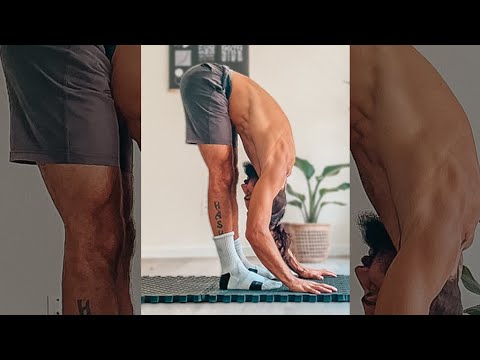
Try incorporating various stretches into your routine, such as standing toe touches or seated forward bends. Each stretch targets the hamstrings differently.
Hydration also plays a role in muscle recovery and flexibility. Make sure you’re drinking enough water throughout the day.
One common myth is that holding stretches longer guarantees better results. While it helps to hold each stretch for about 30 seconds, quality matters more than quantity. Always focus on proper form rather than pushing too hard.
If you’re unsure where to start or if you feel pain while stretching, consider seeking guidance from instructors or resources specifically tailored for safe practice.
In conclusion, improving hamstring flexibility is about patience and consistent effort over time. Celebrate small wins along the way! The journey towards flexible hamstrings not only enhances physical performance but can also contribute positively to overall wellness.
Breathe Deeply and Fold Into Serenity
Breathing deeply and stretching have a special connection. When you focus on your breath, you can help your mind and body relax. It’s like calming a storm – your breath is the gentle breeze that settles everything down.
Deep breathing fills your lungs with oxygen, which fuels every cell in your body. This simple act reduces stress and helps clear your mind. Imagine blowing up a balloon; the more air you put in, the bigger it gets. Your body responds similarly with each deep breath.
When paired with stretching, deep breathing can enhance flexibility. Think of how a rubber band stretches when it warms up. With each inhalation during stretching, you invite more space into your muscles, encouraging them to lengthen gently.
Here are some benefits of combining deep breaths with stretches:
One great way to practice this is through yoga or simple hamstring stretches. As you fold into each stretch, consciously take deep breaths in and out, letting go of any stress.
It’s important to listen to your body while doing these exercises. If something feels uncomfortable or painful, ease off a bit. Stretching should feel good and rejuvenating.
Remember that flexibility takes time to develop – just like building muscle strength. So be patient with yourself during this journey.
To sum up, by focusing on our breath as we stretch, we not only work towards flexible hamstrings but also foster mental peace and well-being. Take those moments for yourself; they truly count!
Unlock Your Body’s Potential with These Simple Hamstring Stretches
Stretching your hamstrings can unlock a lot of potential in your body. These muscles, located at the back of your thighs, play a key role in various movements like walking, running, and bending.
Many people suffer from tight hamstrings due to sitting for long periods or not stretching enough. This can lead to discomfort and even injuries. By incorporating simple stretches into your routine, you can improve flexibility and overall well-being.
Here are some effective hamstring stretches you can try:
It’s important to listen to your body as you stretch. You should feel tension but not pain. If something doesn’t feel right, stop immediately.
Aim to incorporate these stretches into your daily routine or after physical activity when muscles are warm. Over time, you’ll likely notice improved flexibility.
Remember, everyone’s body is different, so take it slow when starting out. It’s all about finding what works best for you.
Stay curious about how stretching affects your body! With patience and practice, these simple moves can help make everyday activities easier and more enjoyable.
The article “Stretch Your Way to Flexible Hamstrings: 7 Great Moves” effectively highlights the importance of hamstring flexibility for overall mobility and injury prevention. Flexible hamstrings can enhance athletic performance, improve posture, and alleviate lower back pain.
The author presents seven targeted stretches that are accessible for various fitness levels. This approach encourages readers to integrate flexibility work into their routine, which is often overlooked.
Additionally, the article emphasizes the need for consistency in stretching practices. Flexibility doesn’t develop overnight; it requires a commitment to regular practice. By framing these stretches within a broader context of fitness and wellness, readers are empowered to take charge of their own health.
Moreover, the article addresses common misconceptions around stretching—like the idea that it should always cause discomfort or pain. Instead, it promotes a gentle approach where stretch sensations are recognized as beneficial rather than painful.
In summary, this piece serves as a valuable resource for individuals seeking to improve their hamstring flexibility through straightforward moves grounded in science and practical application. It encourages a proactive attitude towards physical health while fostering an understanding of body awareness and personal limits.