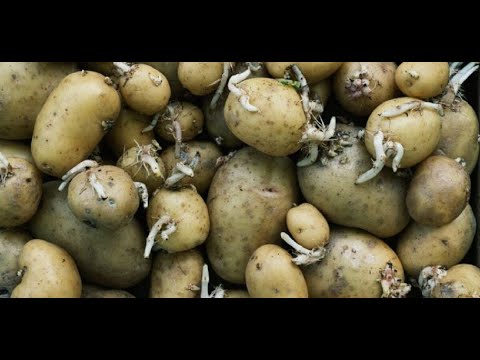
Potatoes are a versatile and beloved staple in many kitchens around the world. But have you ever wondered how to store them properly to keep them fresh and delicious for as long as possible? Knowing the best secrets for storing potatoes safely can make a big difference in taste, texture, and nutrition.
Imagine opening your pantry to find that perfect batch of potatoes, firm and blemish-free, ready to be transformed into fluffy mashed potatoes or crispy fries. Yet, when we don’t store them properly, they can quickly turn into sprouted, soft, or discolored messes. Let’s explore some simple yet effective methods to keep your spuds in top shape.
However, it’s essential to be cautious. While this guide aims to provide reliable tips on potato storage, remember that each individual’s needs may vary. Always seek advice from various specialists or trusted media sources before making significant changes in food handling practices. Knowledge is power when it comes to your health and culinary adventures!
The information provided in this article is intended solely for general informational and educational purposes. It does not constitute medical advice, diagnosis or professional treatment, and should not be considered a substitute for consultation with a qualified doctor or other licensed healthcare professional. Any health-related decisions should be made in consultation with accredited medical professionals.
While efforts have been made to ensure the information is accurate and up to date, no guarantees are given—either express or implied—regarding its accuracy, completeness, currency or suitability. Use of this information is at your own discretion.
It is strongly recommended to consult official sources such as the NHS (National Health Service) or other recognised medical institutions before acting on any information contained on this website or article. Under no circumstances should professional medical advice be ignored or delayed due to content read here.
This content is of a general and informational nature only. It is not intended to replace individualised guidance from a healthcare professional or to establish any doctor-patient relationship. The publication of this information does not imply any professional responsibility, guarantee or obligation on the part of the author or this site.
Simple tips to keep your spuds fresh and sturdy for weeks
Keeping potatoes fresh and sturdy for weeks can be easy with a few simple tips. Proper storage is key to extending their shelf life. Here are some effective strategies.
First, choose the right spot. Potatoes prefer a cool, dark, and well-ventilated location. A pantry or a cupboard away from sunlight works well. Avoid keeping them in the fridge; the cold can turn their starch into sugar, affecting the taste.
Next, keep them dry. Moisture can lead to rotting or sprouting. Store potatoes in a breathable bag or basket rather than plastic. This keeps air circulation good while preventing excess moisture buildup.
Also, don’t wash your potatoes before storing. Washing adds moisture that can cause spoilage. Instead, wait until you’re ready to use them before giving them a rinse.
Another tip is to separate potatoes from other produce. Some fruits emit ethylene gas which can cause potatoes to spoil faster. Keep them away from onions and apples for best results.
Finally, check on your potatoes regularly. Remove any that show signs of sprouting or decay. This helps prevent spreading any issues to healthier spuds.
Using these tips can help you enjoy your potatoes for longer without losing their quality. Remember that while these practices are helpful, there’s no one-size-fits-all method for every type of potato or storage situation. Always trust your own judgment!
The surprising impact of your bag choice on potato freshness and flavor
When it comes to storing potatoes, the type of bag you choose can surprisingly influence their freshness and flavor. You might think it’s all about the potatoes themselves, but storage plays a key role too.
Potatoes are best kept in a cool, dark place. Light can trigger them to sprout, while warmth can lead to spoiling. Using the right bag is essential for maintaining that perfect environment.
Here are some common bag options and how they affect potatoes:
Using burlap or mesh sacks not only helps keep your potatoes fresh longer but also preserves their flavor better than plastic alternatives.
Another factor is how many potatoes you store together. If you overcrowd them in any kind of bag, they can trap heat and moisture together, promoting decay. Think of it as people packed tightly in an elevator — it just gets stuffy!
To summarize:
– Choose breathable bags like burlap or mesh.
– Keep them cool and dark.
– Avoid storing too many at once.
By making mindful choices about how you store your potatoes, you’re taking an important step towards maintaining their freshness and flavor. Simple changes can make a big difference!
Unlock the Secrets to Keeping Your Homegrown Potatoes Fresh and Delicious
Growing your own potatoes can be a rewarding experience. But after the harvest, the real challenge begins: keeping them fresh and delicious for as long as possible. Understanding how to store potatoes properly is key.
First, consider where you keep your potatoes. They do best in a cool, dark place. A temperature around 45-50 °F (7-10 °C) works well. Think of it like keeping apples in a pantry rather than on the kitchen counter.
Light is not your friend when it comes to potatoes. Exposure to light can cause them to turn green and develop a bitter taste. This process also produces solanine, which isn’t good for consumption. Store them in a cardboard box or burlap sack to block out light.
Ventilation is another important aspect of potato storage. They need air circulation to prevent moisture buildup that can lead to rot. A mesh bag is ideal because it allows air flow while keeping out light.
Avoid washing potatoes before storing them. Excess moisture can encourage mold and spoilage. Instead, brush off any dirt gently and only wash them right before cooking.
Keep an eye on temperature fluctuations too. Potatoes tend to sprout if exposed to warmth over time. If you notice any sprouts starting, simply remove them along with any soft or damaged potatoes.
When you’re ready to cook, feel free to use any method you enjoy! Mashed, baked, or fried—potatoes are versatile! Just remember that the fresher they are when cooked, the better their flavor will be.
In summary:
By following these simple tips on potato storage, you’ll be able enjoy your homegrown bounty longer! Happy harvesting!
Storing potatoes safely is an essential aspect of food preservation that can significantly impact both quality and safety. Potatoes, when stored correctly, can remain fresh for weeks or even months, allowing us to minimize waste. However, improper storage can lead to spoilage and the development of toxins.
Temperature matters. Ideally, potatoes should be stored in a cool, dark place with temperatures ranging from 45°F to 50°F. Storing them in a refrigerator is not advisable as the cold temperature can convert starch into sugar, affecting flavor and texture.
Ventilation is key. Potatoes need to breathe. Keeping them in a well-ventilated bag or basket helps prevent moisture buildup that can cause mold and rot. Avoid sealing them in plastic bags, as this restricts airflow.
Avoid sunlight. Exposure to light can result in greening and solanine production – a toxic compound harmful if consumed in large amounts. Therefore, finding a dark storage area is vital for maintaining potato quality.
Finally, check your potatoes regularly for signs of spoilage. Remove any damaged ones immediately to prevent spreading issues to healthy potatoes.
Through these simple yet effective practices, we can ensure our potatoes stay safe and delicious longer while reducing food waste at home.