The information provided in this article is intended solely for general informational and educational purposes. It does not constitute medical advice, diagnosis or professional treatment, and should not be considered a substitute for consultation with a qualified doctor or other licensed healthcare professional. Any health-related decisions should be made in consultation with accredited medical professionals.
While efforts have been made to ensure the information is accurate and up to date, no guarantees are given—either express or implied—regarding its accuracy, completeness, currency or suitability. Use of this information is at your own discretion.
It is strongly recommended to consult official sources such as the NHS (National Health Service) or other recognised medical institutions before acting on any information contained on this website or article. Under no circumstances should professional medical advice be ignored or delayed due to content read here.
This content is of a general and informational nature only. It is not intended to replace individualised guidance from a healthcare professional or to establish any doctor-patient relationship. The publication of this information does not imply any professional responsibility, guarantee or obligation on the part of the author or this site.
Ever had a toothache that felt like the worst thing ever? You’re not alone. Tons of us deal with dental pain, and it often goes deeper than just the surface. It usually involves something called tooth pulp.
But what’s tooth pulp anyway? It’s this soft tissue inside your teeth packed with nerves and blood vessels. Sounds important, right? That’s because it is! When inflammation hits, which can happen from infection or injury, the pulp can signal trouble. This isn’t just about cavities or pain; it can affect your overall dental health.
This article dives into how tooth pulp plays a role in inflammation and why understanding it matters for keeping those pearly whites healthy. It’s like a behind-the-scenes look at what happens when things go wrong in your mouth.
Just a quick note: while we’re chatting about these important topics, remember that this content doesn’t replace professional medical advice. Always consult a healthcare provider when making decisions related to your health.
Uncovering the Hidden Risks of Exposed Tooth Pulp
Understanding Tooth Pulp and Its Importance
Tooth pulp is the innermost part of your tooth, containing nerves, blood vessels, and connective tissue. You can think of it as the center of a tree; it’s crucial for its overall health and function. When a tooth is healthy, the pulp helps nourish it and provides sensation.
What Happens When Tooth Pulp is Exposed?
Exposing tooth pulp usually happens due to decay, trauma, or gum disease. Imagine having a protective shell that suddenly has a hole in it. This exposure can lead to pain, sensitivity, and inflammation. Without that protection, bacteria can easily reach the pulp.
The Role of Inflammation
When tooth pulp gets exposed, your body often responds with inflammation. This is like your immune system sending in reinforcements to fight off potential harm. While inflammation is natural and helpful at first, prolonged inflammation can lead to additional tissue damage.
The Risks Associated with Exposed Tooth Pulp
- Pain: Many people report significant discomfort when their tooth pulp is exposed.
- Infection: Bacteria from food or saliva can infect the pulp leading to a more serious condition known as pulpal necrosis.
- Abscess Formation: In some cases, infection may cause an abscess—essentially a pocket of pus that forms around the root of the tooth.
- Dental Caries Progression: If not treated promptly, this exposure allows decay to advance deeper into the tooth structure causing even more problems.
Treating Exposed Tooth Pulp
You might be wondering how exposed tooth pulp is treated. The approach generally involves removing any decayed material and disinfecting the area. In many cases, you may need a root canal treatment if infection has occurred. It’s like cleaning out an infected wound—keeping it clean helps promote healing.
Preventing Exposure
The best way to deal with exposed pulp is preventing it in the first place! Maintaining good oral hygiene—brushing our teeth twice daily using fluoride toothpaste—and visiting your dentist regularly goes a long way. Think of it like regular maintenance on your car; staying on top of things keeps bigger problems away!
A Final Thought on Dental Health
If you ever suspect that you have issues with your teeth or gums don’t hesitate too long to contact someone who can help you sort things out! Early intervention often leads to better outcomes in dental health.
Unveiling the Hidden Role of Pulp in Your Smile
The Hidden Role of Tooth Pulp
Hey, let’s talk about tooth pulp. You might not think about it much, but it’s pretty important for your dental health. Tooth pulp is the innermost part of your tooth, containing nerves and blood vessels. It’s like the tooth’s lifeline.
What is Tooth Pulp?
Think of tooth pulp as a little control center inside your teeth. It’s where all the action happens. The nerves help you feel hot or cold sensations. The blood vessels keep your tooth nourished and healthy.
The Connection Between Pulp and Inflammation
Now, inflammation is a bit tricky. When there’s an injury or infection in the mouth, the pulp can become inflamed. This might happen due to cavities or trauma to the tooth. When this happens, it can hurt—like when you bump your funny bone!
Symptoms of Infected Pulp
You know how sometimes a regular headache just goes away? Well, with infected pulp, it’s not so simple. You could feel severe pain in your tooth that lingers longer than expected. Other signs include swelling around your gums and sensitivity to temperature changes.
The Importance of Dental Health
If you ignore these signs, things can get worse over time. An untreated infection may spread beyond the tooth into surrounding areas—yikes! That’s why keeping up with regular dental check-ups matters.
- Pulp helps maintain your teeth’s structure.
- It supports communication between teeth and other body parts.
- Pain signals from the pulp alert you to problems early on.
Caring for Your Tooth Pulp
Brushing twice a day and flossing regularly are great habits for keeping that pulp protected! Eating a balanced diet also plays a role—think vitamins C and D for strong teeth.
Treatment for Pulp Issues
If inflammation occurs or if there’s an infection, treatments like root canal therapy might be necessary. It sounds scary but really it’s just cleaning out the contaminated area so healing can occur.
A Final Thought
Your smile reflects your overall health—and tooth pulp plays its part in that! Paying attention to any discomfort can help catch issues early on and keep those pearly whites strong!
Understanding the Hidden Dangers Beneath Your Smile
Understanding Tooth Pulp and Its Importance
Tooth pulp is often overlooked, but it plays a crucial role in the health of your teeth. Think of it as the nerve center, located in the innermost layer of the tooth. It contains blood vessels, nerves, and connective tissue. This soft tissue is basically what keeps your tooth alive.
When you bite into something cold or hot, it’s the pulp that sends signals to your brain. If you ever felt sudden pain from biting into ice cream? Yeah, that’s your tooth pulp reacting.
The Role of Tooth Pulp in Inflammation
Sometimes, bacteria can invade this delicate space, often due to cavities or cracks in the teeth. When this happens, inflammation sets in. Imagine a balloon getting bigger—this is similar to what happens when inflammation occurs; it puts pressure on surrounding tissues.
This inflammation can lead to pain and sensitivity. If ignored, it could escalate resulting in more serious issues like abscesses or even tooth loss. So it’s important not to brush off any discomfort!
Pulpitis: What Is It?
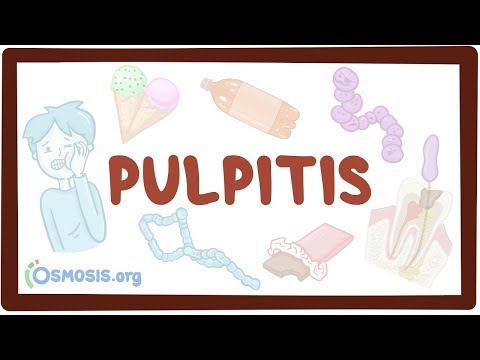
Pulpitis is the fancy term for inflammation of the pulp itself. There are two kinds: reversible and irreversible pulpitis. Reversible means with proper care (like a filling), things can go back to normal. Irreversible? That means more serious dental work may be needed.
Signs You Might Need Help
- Persistent toothache that won’t go away.
- Sensitivity to temperature changes.
- Swelling around the gums.
- Pain when chewing or biting.
If you’re experiencing any of these symptoms, it’s worth chatting with a dental professional for guidance.
A Common Misconception About Tooth Health
A lot of people think that if a tooth doesn’t hurt, it’s fine—this isn’t always true! Pain is just one sign something’s wrong; sometimes other symptoms can be subtle but still indicate deeper issues lurking beneath.
Keeping Your Pulp Healthy
You can help protect your tooth pulp by practicing good oral hygiene like brushing twice daily and flossing regularly. Regular dental check-ups also play an essential role—they can catch problems before they become bigger issues!
Your smile deserves care! Remember that taking proactive steps today promotes long-term dental health tomorrow.
The tooth pulp plays a crucial role in our dental health, yet it’s often overlooked. Tooth pulp is the soft tissue inside your tooth. It contains blood vessels, nerves, and connective tissue. You know, this area is responsible for the vitality of the tooth.
When inflammation occurs in the pulp, it can lead to serious dental issues like pulpitis—a fancy term for pulp inflammation. This happens due to decay or trauma, causing pain and the potential need for treatment like root canals.
Pulp also acts as a protective barrier. The nerves help signal any issues—like extreme temperatures or pressure—alerting us that something’s wrong. This protective mechanism is vital; it encourages us to seek help before problems escalate.
Interestingly, healthy pulp can regenerate to some extent. It can produce new dentin—the hard tissue under enamel—if stimulated properly by minor irritations. However, ongoing inflammation can damage this ability.
Understanding the role of tooth pulp emphasizes how important it is to maintain good oral hygiene and regular dental check-ups. Addressing issues early on can prevent more complex procedures later on. So next time you think about your teeth, remember there’s more than just enamel at work!