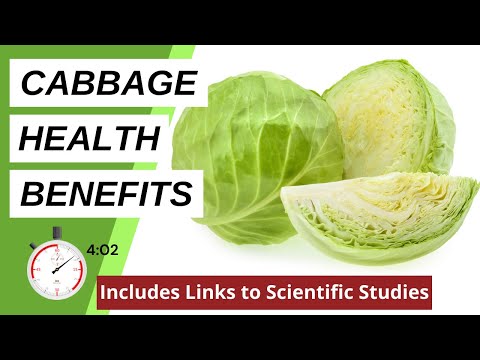
Cabbage might seem like a humble vegetable, often overlooked in favor of trendier greens. However, this leafy powerhouse packs a punch when it comes to health benefits. Imagine it as nature’s treasure chest, filled with vitamins, antioxidants, and fiber that can do wonders for your body.
Eating cabbage can support your digestive health, bolster your immune system, and even aid in weight management. It’s rich in vitamin K, which is vital for bone health and blood clotting. Plus, its high fiber content helps keep your gut happy and regular.
But let’s not stop there! Cabbage also contains powerful antioxidants that fight inflammation and combat the effects of aging. Think of them as tiny soldiers ready to defend your cells against damage.
Yet, while cabbage has many perks, it’s essential to approach it with an open mind and informed perspective. Everyone’s body is different, so reactions can vary. Some people may experience digestive discomfort from eating too much raw cabbage or have sensitivities to cruciferous vegetables.
Before making significant changes to your diet or relying solely on any single food for health benefits, it’s wise to seek out information from different specialists and diverse sources. Consider this a gentle nudge: curiosity paired with caution leads to better health choices!
The information provided in this article is intended solely for general informational and educational purposes. It does not constitute medical advice, diagnosis or professional treatment, and should not be considered a substitute for consultation with a qualified doctor or other licensed healthcare professional. Any health-related decisions should be made in consultation with accredited medical professionals.
While efforts have been made to ensure the information is accurate and up to date, no guarantees are given—either express or implied—regarding its accuracy, completeness, currency or suitability. Use of this information is at your own discretion.
It is strongly recommended to consult official sources such as the NHS (National Health Service) or other recognised medical institutions before acting on any information contained on this website or article. Under no circumstances should professional medical advice be ignored or delayed due to content read here.
This content is of a general and informational nature only. It is not intended to replace individualised guidance from a healthcare professional or to establish any doctor-patient relationship. The publication of this information does not imply any professional responsibility, guarantee or obligation on the part of the author or this site.
Discover the Surprising Benefits and Effects of Cabbage on Your Health
Cabbage might not be the star of the vegetable aisle, but its health benefits are truly surprising. This leafy green is often overlooked, yet it packs a punch when it comes to nutrition.
First off, cabbage is low in calories. Just like a sponge soaks up water, cabbage absorbs flavors while still being light on your waistline. It’s a fantastic option for anyone looking to eat healthier without adding too many calories.
Rich in Nutrients: Cabbage is loaded with vitamins and minerals. You’ll find high amounts of Vitamin C, which helps support your immune system. It’s like giving your body a shield against colds and infections.
Fiber Power: Eating cabbage can boost your fiber intake. Fiber is essential for good digestion, acting like a broom that sweeps through your intestines. This can help keep you regular and support gut health.
Cabbage also has antioxidants. Think of them as tiny warriors fighting free radicals—harmful molecules that can damage our cells. By eating cabbage, you give your body more tools to combat oxidative stress.
You might be surprised to know that cabbage has anti-inflammatory properties too. This means it can help reduce inflammation in the body over time, which plays a role in various chronic diseases.
Some studies suggest that cabbage might support heart health. The potassium found in cabbage acts like a traffic cop for blood pressure, helping to regulate it and keep things flowing smoothly.
Supports Weight Management: Due to its high water content and fiber, cabbage helps you feel fuller longer. It’s like filling up on air instead of packing in heavy meals; you get satisfied without extra calories.
Fermented forms of cabbage, like kimchi or sauerkraut, offer additional benefits from probiotics—good bacteria that promote gut health and improve digestion even more.
Finally, considering all these perks doesn’t mean we should ignore variety in our diet. While cabbage boasts many health benefits, it’s just one piece of the puzzle for balanced nutrition.
In conclusion, incorporating this crunchy veggie into meals can add flavor while potentially boosting overall wellness. So whether sautéed, steamed or raw—the humble cabbage deserves a spot on your plate!
Unpacking the Surprising Benefits for Women’s Health and Well-Being
Cabbage might not be the first vegetable that comes to mind when thinking of health benefits. However, it holds some surprising perks for women’s health and well-being.
First, cabbage is loaded with vitamins. It’s an excellent source of vitamin K, which plays a key role in blood clotting and bone health. Think of vitamin K as a protector for your bones.
Moreover, cabbage contains antioxidants. These help fight off harmful free radicals in the body. Imagine these antioxidants as little warriors that keep your cells healthy and energized.
Another interesting point is fiber. Cabbage is high in dietary fiber, which helps with digestion. A healthy gut can lead to better overall wellness and even influence mental health.
Additionally, there’s evidence that cabbage can support heart health. The nutrients found in cabbage may help lower cholesterol levels, which is good news for women concerned about heart disease.
Cabbage also has anti-inflammatory properties. Inflammation can lead to chronic diseases if not managed well. Eating anti-inflammatory foods like cabbage can support long-term health.
There are also benefits for skin health. The vitamins and minerals in cabbage may contribute to a glowing complexion by aiding hydration and promoting skin repair.
Here are some simple ways to include more cabbage in your diet:
It’s important to remember that while cabbage has many benefits, it’s just one part of a balanced diet. Eating a variety of fruits and vegetables is crucial for overall well-being.
In conclusion, incorporating cabbage into your meals offers numerous potential benefits for women’s health. Try adding this humble vegetable to your plate—your body might just thank you!
Uncovering the Nutritional Secrets of Green, Red, and Savoy Varieties
Cabbage is a leafy green vegetable that’s often overlooked, but it comes packed with surprising benefits. Let’s explore the nutritional secrets of the three main varieties: green, red, and Savoy cabbage. Each has its own unique properties.
Green cabbage is perhaps the most common type. It’s crunchy and mildly peppery. This variety is low in calories but high in vitamin K. Vitamin K plays a role in blood clotting and bone health.
Red cabbage, on the other hand, boasts stunning color and is rich in anthocyanins. These compounds are responsible for its deep purple hue. Anthocyanins have antioxidant properties that may help protect your cells from damage.
Then, we have Savoy cabbage. Known for its crinkly leaves and tender texture, Savoy has a milder taste than both green and red types. It’s also high in fiber, which is beneficial for digestive health.
Here are some key reasons to include these cabbages in your diet:
Adding different types of cabbage to your meals can be fun! You can use them raw in salads or cooked into soups and stews.
It’s important to note that while cabbages offer great nutrition, they should be part of a balanced diet with other fruits and vegetables too. Relying solely on one food isn’t the best approach!
Finally, remember that everyone’s body responds differently to foods. If you have specific dietary concerns or conditions, consider talking to an expert about what works best for you.
By exploring the diverse world of cabbages, we can enhance our diets while enjoying tasty meals!
Eating cabbage often gets overlooked, but it has surprising health perks that can enhance our well-being. This humble vegetable is packed with nutrients and offers various benefits worth noting.
Cabbage is nutrient-dense. It’s low in calories and high in vitamins C and K. Just one cup chopped provides about 85% of your daily vitamin K needs, which is essential for bone health and wound healing.
Rich in fiber. Fiber aids digestion by promoting regular bowel movements and keeping you full longer. This can help manage weight effectively, as it reduces the chances of overeating.
Antioxidant properties. Cabbage contains antioxidants like sulforaphane, which may help fight inflammation and reduce the risk of chronic diseases. Think of them as bodyguards that protect your cells from damage.
Mental health boost. Emerging research suggests that a diet rich in vegetables like cabbage could support mental well-being. The nutrients found in cabbage may help improve mood and cognitive function.
However, it’s important to remember that variety is key in any healthy diet. While cabbage is nutritious, incorporating other vegetables ensures you get a balanced range of nutrients.
In conclusion, embracing cabbage as part of your meals can lead to significant health benefits without much effort. Whether raw in salads or cooked as a side, this versatile veggie deserves a spot on your plate!