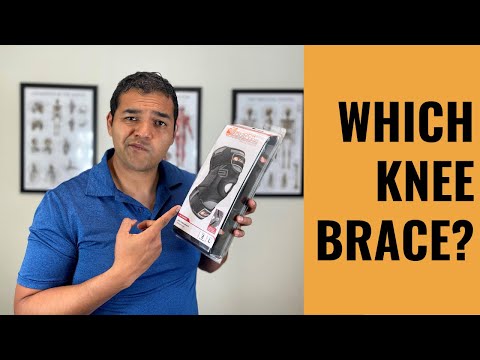
Knee braces can be a game changer for anyone experiencing discomfort or instability in their knees. Whether you’re an avid runner, a weekend warrior, or simply someone dealing with age-related wear and tear, finding the right knee brace can provide support and relief. With so many options available, figuring out which one is best for you might feel overwhelming.
In this article, we’ll explore the top five knee braces on the market today and share tips on how to choose the right one based on your unique needs. Think of it as selecting a tool that suits your specific repair job—different activities and conditions require different solutions.
However, it’s crucial to remember that while knee braces can offer support, they aren’t magical fixes. Always consult with healthcare professionals or specialists when considering any treatment options. Relying solely on online resources or unverified advice may lead to confusion or poor choices. Make sure to gather information from various credible sources to ensure you’re making informed decisions about your health and well-being. Let’s dive into the world of knee braces!
The information provided in this article is intended solely for general informational and educational purposes. It does not constitute medical advice, diagnosis or professional treatment, and should not be considered a substitute for consultation with a qualified doctor or other licensed healthcare professional. Any health-related decisions should be made in consultation with accredited medical professionals.
While efforts have been made to ensure the information is accurate and up to date, no guarantees are given—either express or implied—regarding its accuracy, completeness, currency or suitability. Use of this information is at your own discretion.
It is strongly recommended to consult official sources such as the NHS (National Health Service) or other recognised medical institutions before acting on any information contained on this website or article. Under no circumstances should professional medical advice be ignored or delayed due to content read here.
This content is of a general and informational nature only. It is not intended to replace individualised guidance from a healthcare professional or to establish any doctor-patient relationship. The publication of this information does not imply any professional responsibility, guarantee or obligation on the part of the author or this site.
Find the perfect support for your active lifestyle and enhance your comfort.
Finding the right knee brace can be essential for anyone leading an active lifestyle. Whether you’re a casual walker, an athlete, or just enjoy playing with your kids, knee support can enhance your comfort and stability.
A good knee brace helps protect your joints during various activities. It acts like a seatbelt in a car—keeping everything secure as you move. But not all knee braces are created equal.
Here are some key factors to consider when choosing a knee brace:
Understanding these factors will help you make an informed decision. Just like finding the right shoes can affect your run, selecting the proper support for your knees can impact how you feel throughout the day.
It’s also essential to listen to your body. If you experience pain or discomfort while wearing a brace, it might not be the right one for you.
Researching different models and reading user reviews can help narrow down your options. A little time spent looking into features could save you from frustration later on.
Remember that using a knee brace is just one part of maintaining joint health. Regular strength exercises, stretching, and staying within your limits all play significant roles too.
Ultimately, finding the perfect support means understanding both your body’s needs and how each brace works with those needs. This knowledge empowers you to stay active comfortably!
Discover the Best Options for Comfort and Support
Knee pain can be a real challenge, especially for those who are active. Whether it’s from an injury, arthritis, or just general wear and tear, finding the right support can make a big difference. A knee brace might just be what you need to improve comfort and stability.
Choosing the right knee brace involves a few key considerations. Here are some helpful points to keep in mind:
Remember that a good knee brace won’t fix underlying issues but can help manage discomfort and provide support during recovery or daily life. It’s like wearing a well-fitted shoe: it doesn’t change your feet but certainly makes walking more comfortable!
There’s often confusion about using a brace versus other treatments like physical therapy or medication. Each has its own role in managing knee pain. A good plan may include multiple approaches.
Always listen to your body! If something doesn’t feel right when using a brace, it’s important to reassess your choice or consult with someone who can guide you further.
In summary, understanding your needs and exploring options will empower you in selecting the best knee brace. Take the time to find what suits you best – your knees will thank you!
Ensure Your Comfort and Support with These Simple Tips
When dealing with knee discomfort, finding the right support can make a big difference. Knee braces are popular tools for providing that support. But how do you choose one that’s right for you?
First, let’s consider the type of support you need. There are various types of knee braces:
Next up is fit and comfort. A brace needs to fit well without being too tight or loose. Think of it like wearing a shoe; it should hug your knee but allow easy movement. Many braces have adjustable straps which can enhance this fit.
Material is also important. Look for breathable materials if you’ll wear it for long periods. This can prevent sweat build-up and irritation.
Consider your activity level. If you’re active in sports or fitness, a more robust brace may be better. Conversely, if you’re looking for something casual or at-home use, lighter options might suffice.
It’s essential to talk about consultation. While many people find success with over-the-counter options, don’t hesitate to seek advice from a healthcare professional if unsure about what you need. They may offer guidance based on your specific condition.
Lastly, always listen to your body. If a brace causes discomfort or feels wrong in any way, remove it and reconsider your options. Comfort should always be a priority when choosing supportive gear.
Using these tips will empower you to make informed decisions when selecting the right knee brace!
Knee braces can be a helpful tool for individuals experiencing knee pain or instability. When considering the top five knee braces, it’s essential to recognize that not all braces serve the same purpose.
A good knee brace provides support, alleviates pain, and helps with recovery from injuries or surgeries. Here are some key factors to consider when choosing the right one:
Ultimately, taking time to choose the right knee brace can enhance mobility and improve quality of life while fostering a proactive approach to health management. Remember, it’s not just about protection; it’s also about comfort and proper alignment as you move through daily activities.