Understanding your menstrual cycle can be empowering. Our Ovulation Calendar Tool is designed to help you track your unique rhythm, giving you insights into your fertile windows and overall reproductive health. Just like a gardener tends to their plants, knowing when to plant the seeds of conception—or when to expect your period—can make all the difference.
Using this tool can provide clues about your body’s patterns. It’s like having a personal guide that helps demystify the cycle and invites you to listen more closely to what your body is telling you. Whether you’re trying to conceive or simply want to better understand your health, this calendar could be a valuable companion on your journey.
However, it’s important to remember that while our Ovulation Calendar Tool offers useful information, it’s not a substitute for professional medical advice. Always consult with healthcare professionals and explore various sources of information. Different specialists may provide insights tailored to your individual needs—what works for one person may not apply to another. Stay curious and informed!
The information provided in this article is intended solely for general informational and educational purposes. It does not constitute medical advice, diagnosis or professional treatment, and should not be considered a substitute for consultation with a qualified doctor or other licensed healthcare professional. Any health-related decisions should be made in consultation with accredited medical professionals.
While efforts have been made to ensure the information is accurate and up to date, no guarantees are given—either express or implied—regarding its accuracy, completeness, currency or suitability. Use of this information is at your own discretion.
It is strongly recommended to consult official sources such as the NHS (National Health Service) or other recognised medical institutions before acting on any information contained on this website or article. Under no circumstances should professional medical advice be ignored or delayed due to content read here.
This content is of a general and informational nature only. It is not intended to replace individualised guidance from a healthcare professional or to establish any doctor-patient relationship. The publication of this information does not imply any professional responsibility, guarantee or obligation on the part of the author or this site.
Unlock the Secrets of Your Body’s Rhythm
Understanding your body’s rhythm can feel like unlocking a treasure chest of insights into your health. One key aspect of this rhythm is the menstrual cycle. It’s more than just a monthly occurrence; it’s a natural process that connects to many aspects of well-being.
Your menstrual cycle typically lasts about 28 days, but it can range from 21 to 35 days in adults. Each cycle has phases: menstruation, the follicular phase, ovulation, and the luteal phase. Knowing these phases helps you understand what’s happening in your body.
Menstruation is when you bleed, signaling that your body didn’t conceive last month. The follicular phase follows, where hormones prepare your eggs for release. During this time, energy levels might rise as estrogen increases.
Then comes ovulation, usually around the midpoint of your cycle. An egg is released and this is often when people feel most energetic and frisky. Tracking ovulation can be key for those trying to conceive or even avoiding pregnancy.
The final phase is the luteal phase. Here, if no pregnancy occurs, progesterone levels drop and symptoms like mood swings or bloating may emerge—common signs leading back to menstruation.
Using an ovulation calendar tool can help track these phases easily. It allows you to pinpoint when you’re ovulating and map out patterns in your cycle over time. This knowledge empowers you to make informed choices regarding intimacy and health.
Consider keeping notes on any physical or emotional changes during each phase of your cycle. Patterns may emerge that reveal how different stages affect you personally.
Remember that every person’s body is unique; what’s normal for one might not be for another. If irregularities occur—like significantly missed periods or extreme pain—consider talking with someone who can help without delay.
In understanding these rhythms, you’re taking a step towards better health awareness! It opens doors not just for reproductive health but also overall physical and emotional well-being. So take time to explore your cycles; it’s science meeting self-discovery!
Unlocking the Secrets of Your Cycle: A Simple Guide to Tracking Ovulation with Ease
Understanding your menstrual cycle can provide you with valuable insights into your health. Tracking ovulation is a key part of this process. It helps in family planning and can signal hormonal health.
Your cycle typically lasts between 21 to 35 days. It starts on the first day of your period and ends when the next one begins. The average length is about 28 days, but every body is unique.
Ovulation usually happens about halfway through your cycle, around day 14 for those with a 28-day cycle. This is when an egg is released from the ovary, making it possible to conceive if sperm is present.
Here are some simple ways to track ovulation:
Using an ovulation calendar tool can make this tracking easier. These tools often use algorithms based on your cycle data to predict fertile windows.
However, remember that life can cause variations in cycles due to stress, diet changes, or illness. So don’t be discouraged if things don’t always follow a strict pattern.
It’s also important to note that not everyone experiences obvious signs of ovulation. If you’re trying to conceive or manage reproductive health issues and have questions about tracking your cycle more effectively, consider talking with a healthcare provider.
In summary, tracking your cycle empowers you with knowledge about your body. Each woman’s experience is different, so find what works best for you!
Unlocking the Timing for Your Most Fertile Days
Understanding your menstrual cycle is key to identifying your most fertile days. This knowledge can be beneficial for those trying to conceive. Your cycle is like a monthly rhythm, guiding your body through various phases.
Typically, a menstrual cycle lasts about 28 days, though it can vary from 21 to 35 days. The first day of bleeding marks the start of the cycle. It’s helpful to track this if you want to understand your ovulation better.
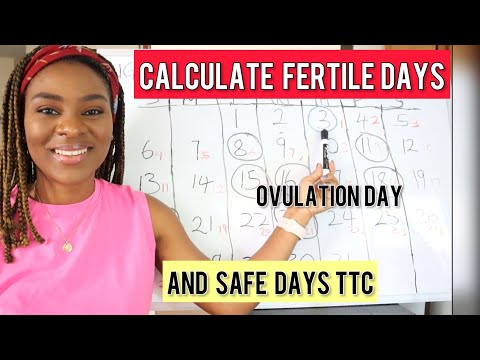
Ovulation usually occurs around the midpoint of your cycle, about 14 days before your next period begins. This is when an egg is released from the ovaries and can be fertilized by sperm—making it the most fertile time.
To pinpoint ovulation more accurately, consider these signs:
Using an ovulation calendar tool can simplify tracking these cycles and indicators. Regularly marking your periods and noting symptoms can help identify patterns over time.
However, everyone’s body is different. Some may have irregular cycles or other factors affecting their ovulation timing, such as stress or health conditions.
Remember that while understanding fertility is important for conception planning, it’s also essential to approach this journey with patience. Our bodies are complex and unique.
If you have questions about your reproductive health or cycle irregularities, consulting a healthcare provider is always a wise choice. They can provide personalized insights based on individual situations.
In summary, knowing when you’re most fertile involves recognizing patterns in your menstrual cycle and listening to your body’s cues. Education on this topic empowers informed decisions as you navigate family planning in a supportive way.
Using an ovulation calendar tool can be a game changer for anyone looking to understand their menstrual cycle better. Tracking your cycle not only helps in planning for conception but also allows you to gain insights into your overall reproductive health.
When you monitor your cycle, you start noticing patterns. For example, ovulation typically occurs about 14 days before your next period. This knowledge can assist in understanding fertile windows, which is crucial for those trying to conceive.
Moreover, an ovulation calendar can reveal irregularities in your cycle that might need further exploration. If your periods are consistently irregular or if you’re experiencing unusual symptoms, this can signal a need for medical advice.
It’s important to remember that each individual’s cycle is unique. Factors like stress, diet, and lifestyle all play a role. Thus, personalization of the information gathered from such tools is key.
Lastly, combining this tool with other health practices like maintaining a balanced diet and managing stress can enhance results. Remember that while an ovulation calendar provides valuable data, it should be used as part of a holistic approach to reproductive health. Always consult with healthcare professionals when making significant decisions regarding fertility or menstrual health.