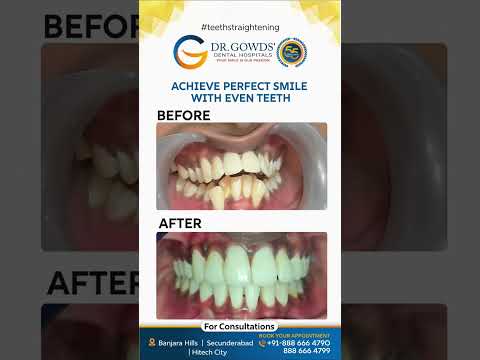
Every smile tells a story. For some, it’s a radiant expression of joy; for others, it might be a source of self-consciousness. Crooked teeth and bite misalignments are more common than you might think. They can arise from genetics, habits, or even environmental factors as we grow.
Understanding your smile is like getting to know a friend. You need to look closely to see what makes it unique. Crooked teeth can affect not just aesthetics but also oral health, chewing efficiency, and even speech. If left unaddressed, they may lead to more serious issues down the line.
It’s important to note that while many solutions exist—like braces or clear aligners—what works best varies from person to person. Before making any decisions about transforming your smile, take the time to do thorough research. Consult with different dental specialists and explore various reputable resources.
Warning: Don’t jump into treatments based solely on trends or social media influencers. The best choices come from informed discussions with qualified professionals who understand your individual needs and circumstances. Your smile deserves careful consideration!
The information provided in this article is intended solely for general informational and educational purposes. It does not constitute medical advice, diagnosis or professional treatment, and should not be considered a substitute for consultation with a qualified doctor or other licensed healthcare professional. Any health-related decisions should be made in consultation with accredited medical professionals.
While efforts have been made to ensure the information is accurate and up to date, no guarantees are given—either express or implied—regarding its accuracy, completeness, currency or suitability. Use of this information is at your own discretion.
It is strongly recommended to consult official sources such as the NHS (National Health Service) or other recognised medical institutions before acting on any information contained on this website or article. Under no circumstances should professional medical advice be ignored or delayed due to content read here.
This content is of a general and informational nature only. It is not intended to replace individualised guidance from a healthcare professional or to establish any doctor-patient relationship. The publication of this information does not imply any professional responsibility, guarantee or obligation on the part of the author or this site.
Unlock Your Best Smile with Simple, Natural Techniques
Unlocking your best smile can be simpler than you think. Crooked teeth or misalignments can affect our confidence, but there are natural techniques to help improve your smile. Let’s explore some of these methods together.
First, it’s important to understand the basics of dental alignment. Our teeth should fit together like puzzle pieces. If they don’t, it can affect how we bite and chew. This is often known as a bad bite or malocclusion.
Proper hygiene is the foundation of a healthy smile. Brushing twice a day and flossing regularly will keep your teeth clean and free from plaque. Think of this as maintaining a garden; regular care prevents weeds from taking over.
Chewing certain foods can also be beneficial for your teeth. Crunchy fruits and vegetables like carrots and apples help exercise your jaw muscles. This is similar to lifting weights for strength—your jaw needs exercise too!
Some people choose mouth exercises. Simple movements, like moving your jaw side to side or making exaggerated faces, can strengthen those muscles. It’s kind of like stretching before sports; it warms up the area for better function.
Another option is proper posture. Believe it or not, how you hold yourself while sitting or standing affects how your jaw rests. Keeping a relaxed posture can ease tension in your mouth area.
A balanced diet plays a role as well. Foods rich in calcium and vitamin D support strong teeth bones—think dairy products, leafy greens, and nuts! They’re like fuel for healthy growth.
It’s worth noting that some natural remedies might get tossed around in conversations but always approach them with caution. For example, baking soda used as a whitening agent may work but should be applied carefully, as too much could harm enamel over time.
Lastly, remember that every smile is unique! What works for one person might not work for another due to individual differences in bite or alignment issues. Seeking guidance from a professional remains crucial if you’re considering significant changes.
In conclusion, many simple techniques exist that could help enhance the health of your smile naturally. Maintain good hygiene habits, consider dietary choices thoughtfully, engage in exercises gently, and remember the importance of posture! Always feel free to explore these options while staying informed about what suits you best personally—your smile deserves that attention!
Exploring the Beauty of Imperfection in Smiles
Smiles are often seen as windows to our emotions. They convey happiness, warmth, and even vulnerability. Yet, what if we took a moment to appreciate the beauty of imperfection in smiles?
Many people feel pressure to have a perfect smile. This idea is heavily influenced by media and advertising. But just like art, a smile doesn’t need to be flawless to be beautiful.
Crooked teeth or an uneven bite can actually tell a story. Each smile has its unique characteristics that represent individual experiences and backgrounds.
Consider this: perfect teeth are like identical twins—similar but lacking distinct personality traits. A crooked tooth might resemble a birthmark; it’s personal and unique.
Here are some points to consider:
It’s important also to note that dental health matters too. While embracing imperfections, maintaining oral hygiene is key for overall health. Crooked teeth can sometimes lead to other issues like difficulty chewing or jaw pain.
If you’re worried about your smile or dental health, it can help to consult with a professional for guidance tailored specificly for you. They can discuss options without pressuring you into treatments.
In the grand scheme of life, smiles should reflect who we truly are inside—imperfect but authentic. Embracing our unique features allows us to connect with others on a deeper level.
So next time you see someone smiling—flaws and all—remember that those little imperfections might just make it all the more beautiful. Let’s celebrate every smile!
Embrace Your Unique Smile and Shine with Confidence
A smile is one of the first things people notice. It can express joy, warmth, and even confidence. However, many individuals feel self-conscious about their smiles due to crooked teeth or misaligned bites.
It’s important to remember that everyone has a unique smile. Just like fingerprints, no two smiles are the same. Embracing your distinctive features can boost your self-confidence and encourage you to shine in social situations.
Crooked teeth and bite issues are more common than you might think. They often stem from genetics, childhood habits like thumb-sucking, or dental injuries. While they can be a cosmetic concern for some, they don’t define who you are.
Additionally, crooked teeth aren’t just about looks. They can affect how well you chew food and may lead to jaw pain or other dental problems over time. Understanding this connection helps highlight the importance of dental health.
If you’re considering straightening your teeth, there are options available.
Consulting with a dental professional can provide clarity on the best choices for your situation. Remember that improving your smile isn’t only about aesthetics; it’s also about enhancing function and comfort.
Before making any decisions, it’s good to weigh the pros and cons. Ask questions and gather information from trusted sources to ensure you’re making an informed choice.
More importantly, try not to let societal standards dictate how you feel about your smile. Many public figures have embraced their unique features without conforming to conventional beauty norms.
Celebrate what makes you different! Confidence shines brighter when we accept ourselves as we are. The world needs diverse smiles – each telling its own story.
In conclusion, whether crooked teeth cause discomfort or simply concern about appearance, it’s essential to prioritize understanding over judgment. Maintain regular check-ups with your dental provider for ongoing support in your oral health journey.
Embrace your unique smile! It’s a part of who you are – a reflection of your personality and experiences that deserves celebration rather than comparison.
“Transform Your Smile: The Truth About Crooked Teeth and Bites” is an insightful exploration of dental health that sheds light on common misconceptions surrounding crooked teeth and bite alignment. It emphasizes the importance of understanding not just aesthetics, but also the functional aspects of our teeth and jaws.
Many people believe that crooked teeth are merely a cosmetic issue. However, the reality is more complex. Alignments can significantly impact oral health, leading to issues such as tooth wear, jaw pain, and even difficulties with chewing. This reflection highlights that our smiles go beyond surface beauty—they influence our overall well-being.
The article encourages readers to explore their options for correction, from traditional braces to modern aligners. It emphasizes the need for professional guidance in making informed decisions about treatment. By debunking myths around braces being only for children or teens, it broadens the conversation about when and how to seek help.
Ultimately, this piece serves as a reminder that achieving a healthy smile is not just about looking good; it’s fundamentally linked to how we function day-to-day. Prioritizing dental care means understanding both aesthetics and functionality, leading us toward healthier choices for long-term benefits.