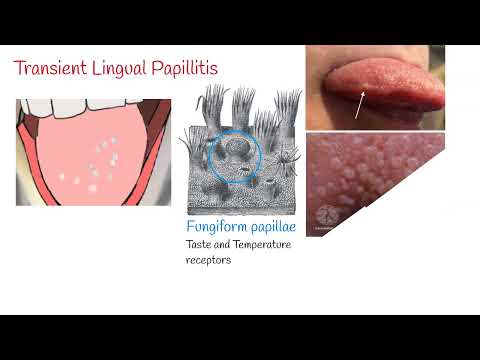
Have you ever noticed small, painful bumps on your tongue that seem to appear out of nowhere? If so, you may be experiencing a condition called transient lingual papillitis. It’s more common than you might think and can cause discomfort when eating or speaking. Understanding what causes this irritation and how to find relief can help ease your worries and get you back to enjoying your meals.
Transient lingual papillitis involves the inflammation of the tiny bumps on your tongue, known as papillae. This can happen due to various triggers like stress, certain foods, or even hormonal changes. While it typically goes away on its own within a few days, knowing how to manage the symptoms can make a world of difference.
If you’re dealing with this condition, consider gentle oral hygiene practices, staying hydrated, and avoiding irritating foods like spicy or acidic items. Over-the-counter pain relievers may also provide comfort.
However, it’s essential to remember that while transient lingual papillitis is usually harmless, persistent symptoms could indicate an underlying issue. Always seek advice from qualified health professionals about any health concerns. They can provide personalized guidance based on your specific situation.
In the realm of health information, it’s crucial to take a balanced approach. Don’t just rely on one source. Seek insights from various specialists and reputable media outlets. This way, you’ll equip yourself with reliable knowledge to navigate any health concern confidently. Always prioritize informed decision-making for your well-being!
The information provided in this article is intended solely for general informational and educational purposes. It does not constitute medical advice, diagnosis or professional treatment, and should not be considered a substitute for consultation with a qualified doctor or other licensed healthcare professional. Any health-related decisions should be made in consultation with accredited medical professionals.
While efforts have been made to ensure the information is accurate and up to date, no guarantees are given—either express or implied—regarding its accuracy, completeness, currency or suitability. Use of this information is at your own discretion.
It is strongly recommended to consult official sources such as the NHS (National Health Service) or other recognised medical institutions before acting on any information contained on this website or article. Under no circumstances should professional medical advice be ignored or delayed due to content read here.
This content is of a general and informational nature only. It is not intended to replace individualised guidance from a healthcare professional or to establish any doctor-patient relationship. The publication of this information does not imply any professional responsibility, guarantee or obligation on the part of the author or this site.
Quick Relief Strategies for Soothing Lingual Papillitis Discomfort
Lingual papillitis can be a frustrating condition. It leads to painful, swollen bumps on your tongue. Understanding how to manage the discomfort is key.
First, let’s talk about what causes it. This condition is often temporary and can happen due to stress, minor injury, or even certain foods. Sometimes, it’s just a result of your immune system reacting.
Here are some quick relief strategies you might consider:
Hydration is important too. Drinking plenty of water keeps your mouth moist and may ease discomfort.
It’s also helpful to maintain good oral hygiene. Regular brushing (but gently) and flossing can prevent further irritation.
If you notice persistent pain or additional symptoms like fever, it’s a good idea to consult with someone who can offer tailored advice.
In summary, while lingual papillitis can be bothersome, there are simple strategies for comfort. You don’t have to suffer in silence—try these tips and see if they help! Stay informed and take care of yourself.
Uncovering the Hidden Connection Between Vitamins and Tongue Health
Vitamins play a crucial role in maintaining overall health, including the health of your tongue. The tongue is more than just a muscle; it’s a key player in taste, digestion, and even speech. One condition that can affect the tongue is called transient lingual papillitis.
Transient lingual papillitis is temporary inflammation of the tiny bumps on your tongue, known as papillae. It can cause discomfort and sometimes pain. The exact cause isn’t always clear, but several factors are linked to it.
Vitamins can have a significant impact on your oral health, including the condition of your tongue. Certain vitamins are essential in keeping your immune system strong and supporting tissue repair.
A lack of these vitamins can lead to various oral issues. For example, if you’re low on Vitamin B12 or folate, you might notice changes in your tongue’s appearance or feel.
Besides taking vitamins through diet or supplements, you might want to consider other ways to promote tongue health. Staying hydrated is important because dry mouth can aggravate symptoms.
Also, good oral hygiene plays an essential role in preventing conditions like transient lingual papillitis. Regularly brushing your teeth and gently brushing your tongue helps rid it of bacteria and debris.
If you experience persistent symptoms related to your tongue’s health, consulting with a healthcare professional is advisable. They can offer personalized guidance based on individual needs.
In summary: Your vitamins are important allies for maintaining a healthy tongue. By ensuring you get enough essential nutrients, along with practicing good oral hygiene habits, you contribute positively to your overall health—and that includes keeping your tongue happy!
Fast Relief for Unexpected Tongue Trouble
Transient Lingual Papillitis is a common but often surprising issue that can cause sudden discomfort on the tongue. Many people experience it without really knowing why.
This condition affects the tiny bumps on your tongue called papillae. They can become inflamed or irritated, leading to painful red spots. It usually clears up on its own, but there are ways to find relief.
Common Causes might include:
While it can be uncomfortable, knowing how to manage the pain is important. Here are some relief options:
Home Remedies to consider are:
It’s also helpful to practice good oral hygiene. Brushing gently and staying hydrated aids healing.
Though it’s typically mild and short-lived, persistent symptoms should be discussed with a healthcare provider for proper guidance.
In general, understanding Transient Lingual Papillitis helps reduce anxiety when it occurs. Awareness of causes and relief methods empowers you to handle unexpected tongue troubles more effectively.
Transient lingual papillitis is a common and often benign condition affecting the tongue. It appears as painful, swollen bumps on the surface of the tongue and can cause discomfort when eating or speaking. While it can be alarming, it usually resolves on its own within days.
Causes of transient lingual papillitis are not entirely understood, but several factors may contribute:
For relief options, there are several strategies you can try:
It’s important to note that while transient lingual papillitis is typically harmless, persistent symptoms warrant a discussion with a healthcare provider to rule out other conditions. Being informed about such issues helps demystify them and allows for better self-care decisions. Always listen to your body and seek professional advice if something feels off.