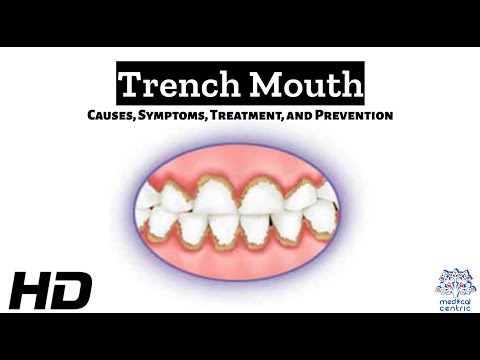
Trench mouth might sound like something from the past, but it’s very real and can affect anyone. This painful gum disease, also known as necrotizing ulcerative gingivitis, is a serious condition that warrants attention. Imagine your gums becoming inflamed, swollen, and even bleeding—this is what trench mouth feels like.
Understanding the causes behind this condition can help you protect your health. Stress, poor oral hygiene, smoking, and nutritional deficiencies are common culprits. Trench mouth thrives in environments where bacteria flourish. If left untreated, it can lead to significant discomfort and more serious dental issues.
Symptoms often include bad breath, gum pain, and visible ulcers in your mouth. Recognizing these signs early on can make a huge difference in treatment effectiveness. But how do healthcare professionals diagnose it? Usually through clinical examination and medical history.
While it’s easy to brush off oral issues or rely solely on online sources for information, it’s essential to consult with various specialists. Each offers unique insights that contribute to a well-rounded understanding of trench mouth. Remember: being informed empowers you to make better health decisions for yourself and your loved ones.
The information provided in this article is intended solely for general informational and educational purposes. It does not constitute medical advice, diagnosis or professional treatment, and should not be considered a substitute for consultation with a qualified doctor or other licensed healthcare professional. Any health-related decisions should be made in consultation with accredited medical professionals.
While efforts have been made to ensure the information is accurate and up to date, no guarantees are given—either express or implied—regarding its accuracy, completeness, currency or suitability. Use of this information is at your own discretion.
It is strongly recommended to consult official sources such as the NHS (National Health Service) or other recognised medical institutions before acting on any information contained on this website or article. Under no circumstances should professional medical advice be ignored or delayed due to content read here.
This content is of a general and informational nature only. It is not intended to replace individualised guidance from a healthcare professional or to establish any doctor-patient relationship. The publication of this information does not imply any professional responsibility, guarantee or obligation on the part of the author or this site.
Unraveling the Mystery Behind this Painful Oral Condition
Trench mouth is a painful oral condition that affects the gums. Its medical name is acute necrotizing ulcerative gingivitis, or ANUG for short. Many people have never heard of it, but it can be quite uncomfortable.
The term “trench mouth” comes from World War I. Soldiers suffered from poor hygiene and stress, leading to this gum disease. But you don’t have to be in a trench to get it; anyone can develop it.
Causes of trench mouth often relate to a buildup of bacteria in the mouth. Factors like poor oral hygiene, stress, and malnutrition can increase your risk. Smoking and certain medical conditions like diabetes also play a role.
People with trench mouth may experience symptoms such as:
If you notice these symptoms, it’s important to seek help. A healthcare provider will perform an exam and may ask about your dental habits and overall health.
Diagnosing trench mouth usually involves a simple examination of the gums and teeth. Blood tests might be conducted to rule out other issues too.
Good oral hygiene is crucial for prevention. Brush your teeth regularly and don’t forget to floss! Eating balanced meals helps keep your immune system strong, which can ward off infections.
Another key factor is reducing stress when possible. Consider relaxation techniques like meditation or exercise as part of your daily routine.
Always remember that if you’re experiencing symptoms related to trench mouth or any other health concern, seeking professional assistance is essential for proper care. You deserve a healthy smile!
Discover Effective Solutions for Relieving Trench Mouth Symptoms and Promoting Healing
Trench mouth, also known as acute necrotizing ulcerative gingivitis, is a painful gum condition. It often arises due to poor oral hygiene, stress, and nutritional deficiencies. Understanding it is key to finding relief.
Symptoms of trench mouth can be quite distressing. You may notice ulcers in your mouth, bleeding gums, bad breath, and a metallic taste. These symptoms can make eating and speaking uncomfortable.
First steps in relieving these symptoms include improving oral hygiene. Brushing your teeth gently with a soft-bristled toothbrush can help. Use fluoride toothpaste to protect your enamel.
Flossing daily is also crucial. It removes food particles and plaque between the teeth that brushing alone might miss. If inflammation makes flossing tough, try an antibacterial mouthwash as an alternative.
Staying hydrated is important too. Drinking enough water aids in healing and keeps your mouth moist. Dryness can worsen discomfort.
Maintaining a balanced diet supports recovery as well. Eating foods rich in vitamins A, C, and B-complex can enhance healing because they boost immune function.
Stress management plays a vital role too. Regular exercise, meditation, or simply taking time for hobbies reduces stress levels which might trigger or worsen this condition.
Avoid tobacco use if you smoke or chew tobacco—these habits can exacerbate symptoms and delay healing.
If symptoms persist despite self-care efforts or worsen over time, seeking professional guidance is essential. A healthcare provider might suggest more tailored treatments or medications to aid recovery.
It’s also beneficial to educate yourself about proper dental care to prevent future occurrences of trench mouth or similar conditions.
In summary, addressing trench mouth involves enhancing oral hygiene practices while focusing on overall health through nutrition and stress management techniques. Stay informed , stay proactive about your health!
Uncovering the Root of Acute Necrotizing Ulcerative Gingivitis
Acute necrotizing ulcerative gingivitis (ANUG), commonly known as trench mouth, is a painful gum infection. It often indicates that there’s an underlying issue with oral health or overall well-being.
The condition typically arises due to the overgrowth of bacteria in the mouth. This can happen for several reasons, including poor oral hygiene, stress, and weakened immune systems.
Key factors contributing to ANUG:
The symptoms of trench mouth are hard to miss. People often experience bad breath, painful gums, and ulcers that can bleed easily. The gums may appear swollen and have a grayish membrane on them.
Think of your gums like a protective shield for your teeth. When this shield weakens due to neglect or health issues, it becomes vulnerable to infection.
Diagnosing ANUG usually involves a physical examination by a healthcare provider. They’ll look for signs like gum bleeding and ulcers present in the mouth.
Treatment generally focuses on improving oral hygiene and addressing any underlying issues. Regular dental visits are crucial for managing this condition effectively.
It’s also important to note that while ANUG can be uncomfortable, it’s not uncommon and is treatable with proper care. Always seek guidance from a healthcare professional if you suspect you have this condition or experience any concerning symptoms.
Maintaining good oral hygiene is essential not just for preventing ANUG but also for overall health. Simple habits like regular brushing, flossing, and healthy eating can make a significant difference.
Stay informed about your health and don’t hesitate to ask questions if you have concerns about your oral care!
Trench mouth, also known as acute necrotizing ulcerative gingivitis (ANUG), is an inflammatory condition affecting the gums. Understanding this condition involves exploring its causes, symptoms, and diagnosis to foster better awareness and management.
Causes: Trench mouth is primarily linked to poor oral hygiene but can be exacerbated by stress, smoking, nutritional deficiencies, and underlying health conditions. It’s often associated with a bacterial infection that leads to tissue destruction.
Symptoms: Those affected may experience severe gum pain, bleeding gums, bad breath, and ulcers in the mouth. The symptoms can disrupt daily activities and impact overall quality of life.
Diagnosis: Diagnosing trench mouth typically involves a clinical evaluation by a healthcare provider who will assess the appearance of the gums and other symptoms. A thorough medical history can help identify risk factors related to lifestyle or underlying health issues.
This reflection reinforces the importance of maintaining good oral hygiene and being aware of changes in our oral health. Early intervention can significantly improve outcomes for those suffering from this painful condition.