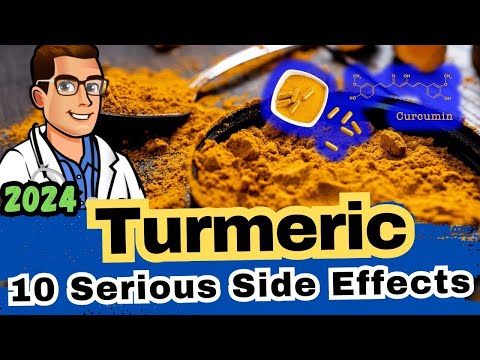
The information provided in this article is intended solely for general informational and educational purposes. It does not constitute medical advice, diagnosis or professional treatment, and should not be considered a substitute for consultation with a qualified doctor or other licensed healthcare professional. Any health-related decisions should be made in consultation with accredited medical professionals.
While efforts have been made to ensure the information is accurate and up to date, no guarantees are given—either express or implied—regarding its accuracy, completeness, currency or suitability. Use of this information is at your own discretion.
It is strongly recommended to consult official sources such as the NHS (National Health Service) or other recognised medical institutions before acting on any information contained on this website or article. Under no circumstances should professional medical advice be ignored or delayed due to content read here.
This content is of a general and informational nature only. It is not intended to replace individualised guidance from a healthcare professional or to establish any doctor-patient relationship. The publication of this information does not imply any professional responsibility, guarantee or obligation on the part of the author or this site.
Turmeric vs Curcumin: What’s Best for Your Health?
Have you ever found yourself at the spice aisle, staring at turmeric and curcumin, wondering which one might be better for your health? It’s a common dilemma, and honestly, you’re not alone. Both have gained tons of attention lately, but what’s the difference? Why should it even matter to you?
Turmeric is a yellow spice often used in cooking. It’s known for its vibrant color and unique flavor. But that’s just the surface. Curcumin is actually a compound found in turmeric that gives it those amazing health benefits everyone talks about.
This article dives into the differences between these two. We’ll explore their health effects, what science says about them, and which may be best suited for your needs. The goal is simple: to help you make informed decisions on what could potentially boost your well-being.
Just keep in mind this doesn’t replace professional medical advice. It’s always smart to chat with a healthcare provider before making changes to your health routine.
Uncover the Hidden Risks of Your Favorite Superfood
Understanding Turmeric and Curcumin
Turmeric is a bright yellow spice often used in cooking, especially in curries. It comes from the root of a plant called Curcuma longa. Curcumin, on the other hand, is just one compound found in turmeric. It’s what gives turmeric its vibrant color and is thought to have several health benefits.
The Popularity of Superfoods
Superfoods like turmeric have gained a lot of attention lately. People often believe these foods can boost health or prevent diseases. While turmeric and curcumin do have some interesting properties, it’s important to take a closer look.
The Risks to Consider
- Dosing Concerns: High doses of curcumin, beyond what you’d get in food, can upset your stomach or cause nausea.
- Interactions with Medications: Curcumin might interact with certain medications such as blood thinners or diabetes drugs. So, if you’re on medication, it’s wise to consult your healthcare provider.
- Affects Absorption: Interestingly, curcumin isn’t easily absorbed by your body when taken alone. Consuming it with black pepper (which has piperine) can enhance absorption but may also lead to more potent effects than expected.
Sourcing Matters
Not all turmeric products are created equal. Some powders may contain additives or lower-quality ingredients that do not deliver the supposed benefits at all.
The Importance of Balance
You might think eating lots of turmeric will solve health issues. Thing is, consuming too much could actually disrupt gut health or lead to other issues over time.
Aholistic Approach is Key
Your overall diet and lifestyle play significant roles in your health as well. Relying solely on superfoods doesn’t provide a balanced plan for wellness.
Navigating Health Claims
When reading about turmerics benefits online, be cautious. Sometimes articles exaggerate claims without solid scientific backing. Always look for reputable sources when researching!
Your Own Body’s Response
You know how everyone reacts differently to foods? The same goes for turmeric and curcumin; what helps one person might not work for another–or even cause unexpected reactions.
Final Thoughts on Turmeric vs Curcumin
If you enjoy using turmeric in meals—great! It adds flavor and color while being part of diverse diets around the world. But be aware that taking curcumin supplements isn’t magic; they come with their own set of considerations.
Unpacking the Power Behind Nature’s Anti-Inflammatory Duo
Understanding Turmeric and Curcumin
Hey, have you ever wondered what the fuss is about turmeric and curcumin? They often pop up in conversations about health and wellness. So let’s break it down.
Turmeric is a spice that comes from the root of the Curcuma longa plant. It’s commonly used in cooking, especially in Indian dishes. Now, curcumin is actually a compound found in turmeric—that’s what gives turmeric its bright yellow color.
The Anti-Inflammatory Properties
You might hear people talk about the anti-inflammatory benefits of these two. Inflammation is your body’s way of trying to protect itself from harm; think of it like sending out emergency responders when there’s trouble.
Curcumin has been studied for its potential to reduce inflammation. Scientific research suggests that it might interfere with certain molecules involved in inflammation. So, if inflammation is sort of like a fire, curcumin could be seen as a firefighter trying to put it out.
Active Components
The active ingredient in turmeric is curcumin, but here’s the catch: curcumin only makes up about 3% of turmeric by weight! That means if you want more concentrated benefits, using curcumin extracts may be more effective than just sprinkling turmeric on your food.
Biodisponibility Challenge
A common issue with curcumin is absorption—it doesn’t easily pass into your bloodstream. This means that while you may consume something rich in curcumin, not all of it gets utilized by your body. It’s kind of like putting gas into your car’s tank but having it leak out before reaching the engine.
To enhance absorption, some suggest combining curcumin with black pepper, which contains piperine. This component can increase how much curcumin your body absorbs, kind of like having a booster shot for getting things moving!
How Much Should You Take?
Nobody likes to guess game when it comes to dosages! There isn’t an official recommendation for how much curcumin or turmeric one should take daily since individual needs vary widely.
Many studies have used doses ranging from 500 mg to 2000 mg a day—but remember that these are test conditions and may not apply directly to everyday life situations. So think about talking with someone knowledgeable if you’re considering supplements.
Culinary Uses and Lifestyle Choices
If you’re simply looking for health benefits through food choices, adding turmeric to meals might be enough for most people! It can be mixed into smoothies or even made into tea. Cooked dishes like curries are also flavorful options!
- Add it to roasted vegetables.
- Sprinkle over popcorn instead of salt.
- Mingle with honey and warm water for tea!
The Bottom Line
The choice between using turmeric or taking concentrated forms like curcumin often depends on personal preferences and lifestyle choices. Some people enjoy popped flavors while others lean toward supplements—there’s no one right way!
So next time you hear someone mention nature’s anti-inflammatory duo, remember it’s not just about one over the other—it’s what fits best into your life! Just don’t fall for any miracle claims because health is truly multifaceted.
Unlocking the Health Benefits: The Great Turmeric vs. Curcumin Debate
Understanding Turmeric and Curcumin
Hey, so let’s dive into turmeric and curcumin. Turmeric is a bright yellow spice often used in cooking, especially in Indian dishes. It comes from the root of a plant called Curcuma longa. The thing is, curcumin is actually one of the key compounds found in turmeric.
Now, imagine turmeric as a pizza. You’ve got the whole pie with all its toppings, but curcumin would be like just the cheese—one crucial part that gives it flavor and benefits.
Health Benefits: Separating Facts from Fiction
Turmeric has gained attention for its potential health benefits, mostly because of curcumin. Some studies suggest that curcumin can fight inflammation—the body’s response to injury or irritation. You know? Like when you twist your ankle and it swells up.
The interesting part is that curcumin is not very well absorbed by our bodies. This means simply adding turmeric to your meals might not give you enough curcumin for those potential benefits. Think about it like trying to enjoy a concert but sitting really far away from the stage; you hear the music but miss out on all the detail.
Using Them Together
Many people prefer using both turmeric and curcumin together to maximize their effects. In recipes or supplements, they often include black pepper too—this enhances the absorption of curcumin significantly!
This combo could be compared to seasoning your food: salt alone might enhance taste, but mixing it with herbs creates something even better.
A Note on Supplements
You’ll find loads of supplements marketed around curcumin nowadays. But honestly, it’s crucial to approach these with caution. Some might contain additional ingredients or varying doses that could change how effective they are.
If considering supplements, think about chatting with someone knowledgeable about dietary needs—for example, a nutritionist or your friend who’s into health stuff! They can help navigate this maze more safely.
The Bottom Line
Tumeric offers a flavorful way to incorporate potential health benefits into your diet—but just sprinkling it on food isn’t always enough for significant effects due to low absorption rates of curcuminoids (the active compounds). Combining turmeric with black pepper or using high-quality supplements might help improve its effectiveness.
- Culinary uses: Adding turmeric powder gives color and flavor。
- Pain relief: Many believe it’s good against chronic inflammation。
- A nutritional boost: Besides flavoring, there’s some vitamin content too。
- Skeptical approach needed: Not all products are created equal。
If you’re curious about trying out these spices for health reasons or just love their taste—go ahead! Balance them within your overall diet and lifestyle choices.
Turmeric vs Curcumin: What’s Best for Your Health?
When you hear about turmeric, it often comes bundled with all these health claims. But what’s the real scoop? Turmeric is a spice commonly found in kitchens, especially in Asian cooking. It gives curry its yellow color and has been part of traditional medicine for ages.
Now, curcumin is a compound present in turmeric. It’s actually what makes turmeric beneficial. However, curcumin only makes up about 3% of turmeric’s weight. This means if you’re looking for specific health benefits associated with curcumin, simply sprinkling turmeric on your food might not cut it.
- Health Benefits: Curcumin is known for its anti-inflammatory and antioxidant properties. Studies indicate it may help with arthritis, heart disease, and even some types of cancer.
- Absorption Issues: The catch here? Curcumin doesn’t absorb well in the body on its own. Consuming it with black pepper or fat can enhance its absorption significantly.
Many people take curcumin supplements to get those potential health benefits without needing to eat large amounts of turmeric. But not all supplements are created equal; some may have additives or vary greatly in potency.
The reality is that both have their place. Turmeric can be enjoyed as a flavorful addition to meals while offering some health perks too. On the other hand, if you’re targeting specific health issues connected to inflammation or oxidative stress, curcumin supplements could be worth considering.
Always remember that individual responses can vary widely when it comes to supplements and dietary changes. It’s good practice to consult healthcare providers before making adjustments based on supplementation.
The best approach might just be enjoying both—using turmeric in cooking while having a conversation about whether curcumin supplementation fits into your lifestyle!