The information provided in this article is intended solely for general informational and educational purposes. It does not constitute medical advice, diagnosis or professional treatment, and should not be considered a substitute for consultation with a qualified doctor or other licensed healthcare professional. Any health-related decisions should be made in consultation with accredited medical professionals.
While efforts have been made to ensure the information is accurate and up to date, no guarantees are given—either express or implied—regarding its accuracy, completeness, currency or suitability. Use of this information is at your own discretion.
It is strongly recommended to consult official sources such as the NHS (National Health Service) or other recognised medical institutions before acting on any information contained on this website or article. Under no circumstances should professional medical advice be ignored or delayed due to content read here.
This content is of a general and informational nature only. It is not intended to replace individualised guidance from a healthcare professional or to establish any doctor-patient relationship. The publication of this information does not imply any professional responsibility, guarantee or obligation on the part of the author or this site.
Have you ever felt that unsettling burn in your stomach and wondered what’s going on? It’s honestly more common than you might think. Many people experience this discomfort, yet the reasons behind it can vary widely.
This article delves into 20 different causes of burning stomach pain. From something as harmless as indigestion to potential issues like ulcers, understanding these causes is super important. It helps you figure out when to seek help and when to just ease off for a bit.
You know, sometimes lifestyle choices play a huge role in how we feel. Stress, diet, and even certain medications can contribute to that burning sensation. By clarifying these triggers, we can empower ourselves to make better health decisions.
Keep in mind, though: this content doesn’t replace professional medical advice. It’s essential to consult a healthcare professional before making any big changes based only on what you read here. Let’s explore these causes together so you can understand your body better!
Quick Relief Tips for Instant Comfort
Understanding Causes of Burning Stomach Pain
Hey there! Have you ever felt that uncomfortable burning sensation in your stomach? It’s pretty common and can happen for various reasons. Let’s break down some causes and discuss quick relief tips that might bring some comfort.
1. Acid Reflux
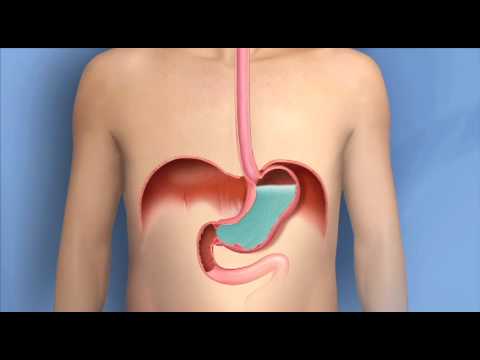
This happens when stomach acid leaks into the esophagus, the tube connecting your mouth to your stomach. It feels like a burning pain in your chest or throat. Leaning forward or lying down may make it worse.
A quick remedy? Try a glass of water. It could help wash the acid back down.
2. Gastritis
Your stomach lining can get inflamed due to several factors, like alcohol, certain medications, or stress. This can lead to sharp pain and discomfort after eating.
To ease this, sipping on chamomile tea might soothe your stomach lining a bit.
3. Peptic Ulcers
An ulcer is basically an open sore in the stomach lining caused by bacteria or prolonged use of anticid medications. It can cause intense burning pain, usually when your stomach is empty.
A cool compress on your abdomen could help alleviate some discomfort temporarily.
4. Food Intolerance
If you’re sensitive to certain foods like dairy or gluten, eating them can lead to burning sensations in your belly. Ever feel bloated after ice cream? That’s food intolerence at play.
Consider trying ginger tea; it may help calm your system after a meal.
5. Stress and Anxiety
Your gut is sensitive to emotions! Stress can tighten up your digestive system, causing pain and burning feelings in your stomach.
A short walk outside for fresh air might clear both your mind and ease those painful pangs.
6. Constipation
If things aren’t moving along smoothly—if you know what I mean—you could feel pressure and burning in the lower abdomen as well.stomach cramps occur too!
A good tip here is staying hydrated; more water could really help keep things flowing!
Other Common Causes
- Mild food poisoning:
Sometimes bad food makes you feel awful fast! - Dairy products:
Lactose intolerance causes real discomfort for some people! - Caffeine consumption:
Too much coffee can upset many people’s tummies! - Tobacco use:
The chemicals in cigarettes irritate the digestive system too!
Simplifying Relief Strategies
- Avoid trigger foods:
If spicy foods hurt you, maybe skip them next time! - Lying down:
After meals, try resting upright instead of flat—it helps digestion sometimes! - Coconut water:
It’s hydrating and gentle on the tummy too!
The bottom line is that while these are common reasons for that nagging burning sensation, it’s important to pay attention if symptoms persist or worsen. Listening to our bodies often gives us clues about what we need! If you’re feeling unsure about any symptoms you’re having—consider reaching out professionally for proper advice.
Take care of yourself! And remember this info might not suit everyone but hey—it’s a place to start exploring what’s going on with that tummy of yours!
Understanding the Causes and Solutions for Discomfort in Women’s Upper Abdomen
Understanding Discomfort in Women’s Upper Abdomen
Hey there! If you’ve ever felt a burning sensation or discomfort in your upper abdomen, you’re not alone. Many women experience this, and it can be confusing. Let’s break down some of the common causes and potential solutions.
Common Causes of Upper Abdominal Discomfort
- Gastritis: Inflammation of the stomach lining can lead to pain. Think of it as a sore that makes your stomach feel upset.
- Acid Reflux: When stomach acid flows back up into the esophagus, it can create a burning sensation. It’s like when soda bubbles up too quickly!
- Pepetic Ulcers: These are sores on the stomach lining or small intestine. They can cause sharp pain and are often linked to bacteria.
- Gallbladder Issues: Conditions like gallstones can lead to sudden, intense abdominal pain after eating fatty foods.
- Liver Problems: Though less common, liver issues might manifest as vague discomfort in the upper abdomen.
- Pregnancy: Hormonal changes and physical shifts during pregnancy can sometimes lead to discomfort.
- Anxiety or Stress: Believe it or not, emotional well-being influences physical health. Anxiety might tighten your stomach muscles.
Lesser-Known Causes
- Irritable Bowel Syndrome (IBS): This condition affects bowel functions and could cause discomfort alongside other symptoms like bloating and gas.
- Pulmonary Issues: Sometimes lung problems may hurt your upper abdomen due to referred pain from related muscle tension or coughs.
- Pneumonia: Chest infections might present with abdominal symptoms; it’s essential to consider all possibilities!
POSSIBLE SOLUTIONS TO CONSIDER
- Dietary Changes: Reducing acidity with fewer spicy foods might help ease gastritis or acid reflux symptoms. Small changes can make a difference over time.
- Meditation and Relaxation Techniques:Nurturing mental health is just as crucial! Simple breathing exercises may reduce anxiety-related discomfort.
- Avoiding Trigger Foods: If you notice patterns—like heartburn after coffee—try eliminating these triggers for a while.
Semi-Important Note on When To Seek Help?
(this part is interesting)
If discomfort persists or if you experience severe side effects (like fever, constant vomiting, or blood in stool), it’s wise reaching out for medical advice. Always trust yourself on when something feels off!
The bottom line is that upper abdominal discomfort has many potential causes. It may take some time to figure out what works best for you personally. Remember: understanding your body is key!
If you want more info about any specific area discussed here—or if you’re curious about relating issues—don’t hesitate to look further into reputable sources!
Unraveling the Mystery Behind Your Uncomfortable Sensation
Understanding Burning Stomach Pain
Hey there! If you’ve ever felt that uncomfortable burning sensation in your stomach, you’re definitely not alone. It can be annoying and concerning. Let’s break down some of the common reasons behind it.
1. Gastritis
Gastritis is when your stomach lining becomes inflamed. Think of it like a sunburn on your skin, but inside your body. It can happen from too much alcohol, certain medications, or even stress.
2. Peptic Ulcers
These are sores that develop on the lining of the stomach or small intestine. They can cause a burning pain especially when your stomach is empty. Imagine an open wound; it gets agitated when there’s no food to coat it.
3. Acid Reflux
This is when acid from your stomach backs up into the esophagus—the tube that connects your mouth and stomach. It’s like a little overflow that causes heartburn and discomfort.
4. Indigestion
This happens when food doesn’t digest well, causing bloating and discomfort in the upper abdomen. You know, like when you eat too fast or have rich foods? Yep, that’s why sometimes it’s best to slow down.
5. Food Intolerances
If you’ve got issues with lactose or gluten, you might experience burning sensations after eating certain foods. It’s sort of like your body saying “hey, I don’t like this!”
6. Anxiety and Stress
Your brain and gut are more connected than you might think! Stress can lead to increased stomach acid production which causes discomfort—like butterflies but not in a good way!
7. Helicobacter pylori Infection
This bacteria lives in the digestive tract and can lead to ulcers as well as gastritis—definitely something you’d want to check out if you’re experiencing ongoing issues.
A Few More Causes You Might Want To Know About:
- Celiac Disease:A serious autoimmune disorder where eating gluten damages the small intestine.
- Irritable Bowel Syndrome (IBS):A common digestive disorder causing abdominal pain and changes in bowel habits.
- Pyloric Stenosis:A narrowing of the opening from the stomach to the small intestine usually seen in infants but can occur in adults too.
- Bacterial Overgrowth:An overgrowth of bacteria in the small intestine leading to various symptoms including burning sensations.
- Crohn’s Disease:An inflammatory bowel disease (IBD) that affects any part of the gastrointestinal tract causing pain and discomfort.
- Liver or Gallbladder Issues:Pain from problems here may sometimes be felt higher up—like burning sensation near the stomach region!
The Importance Of Listening To Your Body
If you’re experiencing this burning sensation often, it’s worth paying attention to what triggers it; whether it’s specific foods or stressful situations—even how closely do you chew?
Sometimes just keeping track could help narrow down potential causes! And remember, while understanding these factors is important for awareness, if symptoms persist or worsen—seeking professional advice is always smart!
Burning stomach pain is something many people experience at some point. It’s crucial to understand the potential causes to address the issue properly. Here, I’ll reflect on a range of factors that can lead to this discomfort.
First off, gastritis is a common cause. This condition involves inflammation of the stomach lining. Think of it like having a sore in your mouth; it hurts and makes eating difficult.
Another key player is acid reflux. It happens when stomach acid flows back into the esophagus, causing a burning sensation—kind of like if you spilled hot sauce on your skin.
Peptic ulcers are also significant culprits. These are sores that develop on the stomach lining or small intestine and can be quite painful. They can sometimes feel like someone is poking you inside, especially after eating.
- Food intolerances: Some people have trouble digesting certain foods, which can lead to painful reactions.
- Anxiety and stress: Believe it or not, mental health can impact gut health significantly.
- Dietary choices: Spicy foods, alcohol, and caffeine usually don’t help either.
A lesser-known cause might be infections like H.pylori bacteria that thrive in acidic environments and irritate the stomach lining.
Lifestyle factors also matter. Lack of exercise or poor sleep can contribute to gastrointestinal issues too. It’s all connected, you know?
The important thing here? If burning pain persists or worsens, seeking medical advice is essential for proper diagnosis and treatment options.
This reflective look into various causes enhances our understanding of burning stomach pain without jumping to conclusions or self-diagnosing.