The information provided in this article is intended solely for general informational and educational purposes. It does not constitute medical advice, diagnosis or professional treatment, and should not be considered a substitute for consultation with a qualified doctor or other licensed healthcare professional. Any health-related decisions should be made in consultation with accredited medical professionals.
While efforts have been made to ensure the information is accurate and up to date, no guarantees are given—either express or implied—regarding its accuracy, completeness, currency or suitability. Use of this information is at your own discretion.
It is strongly recommended to consult official sources such as the NHS (National Health Service) or other recognised medical institutions before acting on any information contained on this website or article. Under no circumstances should professional medical advice be ignored or delayed due to content read here.
This content is of a general and informational nature only. It is not intended to replace individualised guidance from a healthcare professional or to establish any doctor-patient relationship. The publication of this information does not imply any professional responsibility, guarantee or obligation on the part of the author or this site.
Have you ever looked in the mirror and felt a sinking feeling seeing a fresh pimple? You’re definitely not alone. Acne is one of those pesky problems that affect millions of people, regardless of age or skin type. It’s frustrating, confusing, and often feels unfair.
Understanding acne types is key to tackling this issue effectively. There are different kinds you might encounter: from blackheads to cysts, each has its own set of symptoms. Knowing what you’re dealing with can make all the difference in choosing the right treatment.
This article aims to break down acne types simply and clearly. You’ll find descriptions, pictures for reference, and treatment options that can help. Getting to know your skin can empower your choices.
Remember though, while this information is helpful, it doesn’t replace professional medical advice. Always consult with a healthcare professional when making decisions about your skin health or treatment options.
Discover the Visual Spectrum of Common Acne Types
Understanding Common Acne Types
Acne can feel like a nightmare, right? It affects a lot of people, not just teenagers. Understanding the different types of acne is super important to deal with it effectively.
What Are the Main Types?
Generally, acne falls into two big categories: inflammatory and non-inflammatory. Non-inflammatory types are less severe and don’t cause redness or swelling. Think comedones—that’s a fancy term for blackheads and whiteheads!
- Blackheads: These are open clogged pores. The dark color isn’t dirt; it’s just oxidized melanin reacting with oxygen.
- Whiteheads: Closed clogged pores that feel like little bumps under your skin.
On the other hand, inflammatory acne can be more painful and noticeable.
- Papules: Small red bumps without a head. It’s like your skin is angry but not oozing anything yet.
- Pustules: These have a white center filled with pus, probably what most people think of as zits.
- Nodules: Larger, painful lumps deep in the skin. They take longer to heal and leave scars sometimes.
- Cysts: Deep, pus-filled lumps that can be really tender. They’re often the most severe type of acne.
Symptoms to Watch For
The symptoms vary based on the type of acne you’re dealing with. Non-inflammatory types usually don’t hurt at all. But inflammatory types? Ouch! You might experience swelling, pain, or even warmth in that area.
Treatment Options
Treatments can differ based on the type of acne you have. Over-the-counter products often help for non-inflammatory types—think salicylic acid or benzoyl peroxide as common ingredients.
For more severe forms, you may need to consult someone who can provide stronger medications—either topical or oral ones might be necessary depending on how bad it is.
Mental Health Impact
No one talks about this enough! Acne can really affect self-esteem and mental well-being. It’s perfectly normal to feel frustrated or insecure when struggling with breakouts.
Finding support from friends or even talking openly about your feelings can make a difference.
Lifestyle Choices Matter
Your daily habits impact your skin too! Eating healthy food poor in sugar may help some folks reduce breakouts while staying hydrated is crucial as well.
Also, keeping stress levels lower through activities like yoga or journaling could be beneficial in managing how your skin reacts!
A Final Word
If you’re ever unsure about what you’re facing with your skin health—or if nothing seems to work—it’s good idea to reach out to someone who knows their stuff about skin conditions.
Remember that everyone’s journey with acne is unique—there’s no one-size-fits-all solution here!
A Visual Guide to Understanding Different Forms of Acne
Acne can be a real frustration, right? It’s not just about the occasional pimple. There are various types, each with its own causes and characteristics. Let’s break them down together.
1. Comedonal Acne
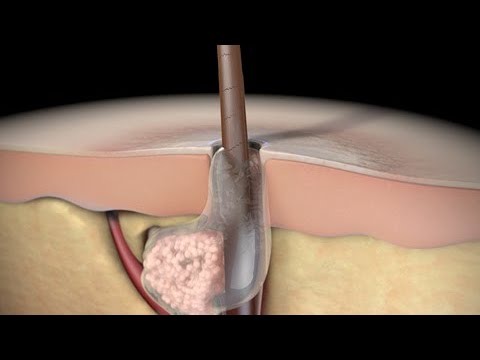
This type is often seen as blackheads and whiteheads. Comedones occur when hair follicles become clogged with oil and dead skin cells. Blackheads are open at the surface, while whiteheads are closed off.
Think of it like a clogged sink. When water doesn’t flow freely, stuff builds up. These little guys can be frustrating but are generally considered mild acne.
2. Inflammatory Acne
This form includes papules, pustules, and cysts. Papules are small red bumps on the skin while pustules are similar but filled with pus—think of them like tiny water balloons filled with bacteria.
Cysts are larger and deeper under the skin; they can be quite painful too! They often leave behind scars when they heal, so it’s important to understand them well.
3. Hormonal Acne
You may notice hormonal acne around puberty or during menstrual cycles—change in hormones leads to increased oil production in skin glands.
It usually appears on the lower face or jawline area and can sometimes feel stubborn to treat. Imagine your body going through an emotional rollercoaster; the skin does too!
4. Acne Vulgaris
This is the most common type of acne that we often think of when we hear “acne.” It includes a mix of blackheads, whiteheads, papules, and pustules.
It can appear on your face, back, shoulders… you name it! It’s really about how our body reacts to hormones, bacteria and excess oil working together—like an uninvited party in your pores!
Treatments for Different Types of Acne
- Comedonal: Over-the-counter products with salicylic acid or benzoyl peroxide help unclog pores.
- Inflammatory: Topical or oral antibiotics might be suggested if inflammation becomes severe.
- Cystic: Dermatologists may recommend injections or stronger medications for these deep ones.
- A hormonal: Birth control pills or anti-androgens might be used for women dealing with hormonal fluctuations.
No single treatment works for everyone since our bodies react differently—so patience is key! Always consult a healthcare provider for personalized advice because they get to know your specific situation better than anyone else.
Myths About Acne
- A common myth is that chocolate causes breakouts—there’s no strong evidence supporting this claim!
- An other one says you should scrub your face hard to cleanse it; that’s not true either; too much scrubbing can irritate skin more!
- Popping pimples? Yeah, that can worsen scarring instead of helping—it’s tough but leaving them alone might be best!
If you’re dealing with acne issues yourself—or even someone close—it helps to remember that this is completely normal for many people at different stages of life! Stay informed; you’ve got this!
Transforming Your Skin Journey: Real Stories Behind Hormonal Cystic Acne
Understanding Hormonal Cystic Acne
Hey, let’s talk about hormonal cystic acne. It’s a specific type of acne that often appears during puberty, menstruation, or times of increased stress. You know those deep, painful bumps that seem to pop up outta nowhere? That’s what we’re talking about here.
What Causes Hormonal Cystic Acne?
The main trigger is hormone fluctuations. This can happen during your menstrual cycle or when you’re dealing with an endocrine imbalance. Androgens, a type of hormone, can lead to overactive oil glands in the skin. Basically, more oil means more chances for pores to get clogged.
Common Symptoms
- Large, painful cysts under the skin
- Red and swollen areas
- Persistent breakouts along the jawline and chin
- Occasional whiteheads or blackheads surrounding the cysts
Personal Stories: Real Experiences
A lot of folks face this struggle whether it be teens or young adults. Take Sarah for example; she shares how her battle with hormonal acne made her feel insecure at social events. But she learned that many people go through it.
Another friend of mine talked about how her skin started acting up around her late twenties due to work stress. Connecting with others online helped her feel less alone and gave helpful tips to manage symptoms.
Treatments to Consider
You’ve got options if you’re dealing with cystic acne. Over-the-counter treatments containing benzoyl peroxide or salicylic acid are popular choices. They help clear out pores and reduce inflammation.
If these don’t cut it, dermatologists might prescribe medications like oral contraceptives or isotretinoin for severe cases. It’s crucial though to have a chat with healthcare professionals about this before starting anything new.
Mental Health Matters Too!
This journey isn’t just physical; it’s emotional as well. Sometimes people not only deal with breakouts but also low self-esteem and anxiety because of their skin issues. Finding support groups online can really help in managing emotional challenges.
Final Thoughts on Your Skin Journey
The journey through hormonal cystic acne is different for everyone but remember: you aren’t alone in this fight! Sharing experiences can open doors to understand your own skin better while learning from others.
Acne is a common skin condition that affects millions of people worldwide. Understanding the different types of acne is crucial for effective treatment. There are several forms, including comedonal, inflammatory, and cystic acne.
Comedonal acne appears as whiteheads and blackheads. These occur when hair follicles become clogged with oil and dead skin cells. Inflammatory acne, on the other hand, includes papules and pustules that can be red and swollen. Cystic acne is more severe, characterized by large, painful lumps beneath the skin.
Symptoms vary based on the type. For instance, while comedonal acne might not cause discomfort, cystic acne often leads to significant pain and emotional distress due to its visibility.
Treatment approaches also vary. Over-the-counter treatments with benzoyl peroxide or salicylic acid work well for mild cases. More severe forms may need prescription medications like antibiotics or retinoids.
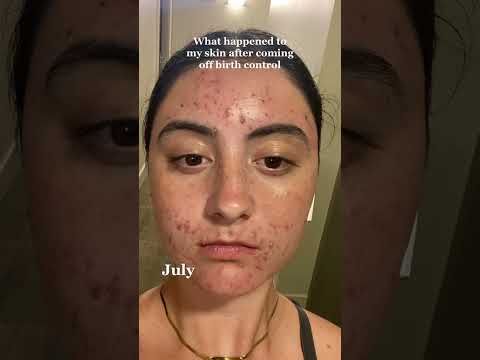
Visual aids are invaluable in understanding these types of acne. Pictures can help individuals identify their specific type and seek appropriate treatment sooner rather than later.
Overall, recognizing symptoms early can lead to better management and healthier skin in the long run.