The information provided in this article is intended solely for general informational and educational purposes. It does not constitute medical advice, diagnosis or professional treatment, and should not be considered a substitute for consultation with a qualified doctor or other licensed healthcare professional. Any health-related decisions should be made in consultation with accredited medical professionals.
While efforts have been made to ensure the information is accurate and up to date, no guarantees are given—either express or implied—regarding its accuracy, completeness, currency or suitability. Use of this information is at your own discretion.
It is strongly recommended to consult official sources such as the NHS (National Health Service) or other recognised medical institutions before acting on any information contained on this website or article. Under no circumstances should professional medical advice be ignored or delayed due to content read here.
This content is of a general and informational nature only. It is not intended to replace individualised guidance from a healthcare professional or to establish any doctor-patient relationship. The publication of this information does not imply any professional responsibility, guarantee or obligation on the part of the author or this site.
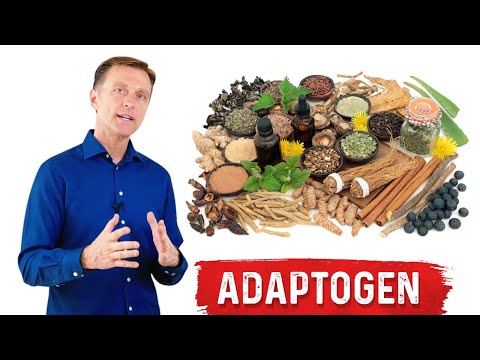
Have you ever felt overwhelmed by stress or exhaustion, like you just can’t keep up? You’re definitely not alone. Many people are searching for ways to feel more balanced and energized in their daily lives. Here’s where adaptogenic herbs come into play.
These natural wonders have been used for centuries, particularly in traditional medicine, to help the body adapt to stress. Imagine having a friend that helps you stay calm during a hectic day or supports your energy levels when you’re feeling drained. That’s what adaptogens do!
This article dives into the fascinating world of adaptogenic herbs. We’ll explore their health benefits and how they can fit into your routine. From easing anxiety to boosting your mood, these herbs might just be what you need.
Yet, it’s essential to remember that while this information is insightful, it doesn’t replace professional medical advice. Health decisions should always involve consulting with a healthcare provider who knows your individual needs.
So let’s get started on understanding these remarkable plants and their potential impact on our well-being!
Unlock the Power of Nature: Discover Adaptogens and Their Incredible Benefits
Understanding Adaptogens
Okay, let’s talk about adaptogens. These are a group of herbs and plants that some people think can help the body adapt to stress. Think of them as natural allies for your well-being.
The idea is, adaptogens work by helping you manage stress more effectively. They might help balance hormones, reduce inflammation, and even improve energy levels. Pretty cool, right?
The Science Behind Adaptogens
So here’s the thing: adaptogens have been used in traditional medicine for centuries. Herbs like ashwagandha and rhodiola rosea are often mentioned. They’re thought to influence your adrenal glands which are involved in your body’s response to stress.
However, real scientific research is still catching up with these claims. Some studies suggest benefits, but results vary widely depending on the individual and the specific herb used.
Popular Adaptogenic Herbs
- Ashwagandha: Often linked with reduced anxiety and improved sleep quality.
- Rhodiola Rosea: May boost endurance and reduce fatigue.
- Holy Basil: Known for its potential anti-inflammatory properties.
- Siberian Ginseng: Often associated with increased energy and physical performance.
You might wonder how these herbs actually work. Essentially, they’re believed to interact with hormones like cortisol—your body’s main stress hormone—to create balance during stressful times.
Benefits of Using Adaptogens
A lot of people report feeling more focused or energetic after using adaptogenic herbs. Sometimes they say they feel calmer too! But remember, these experiences can change from person to person.
- Mood Improvement: Some folks say it helps lift their mood during tough times.
- Energizing Effects: Can provide a nice little boost without jitteriness that coffee sometimes brings!
- Smoother Stress Response: You might notice you’re not as reactive to stressful situations over time.
Caution and Considerations
You know how sometimes one friend swears by something while another finds it useless? That’s kind of how it goes with adaptogens too—they won’t work the same for everyone!
A Final Thought
If you find yourself curious about adapting your diet or lifestyle involving these herbs, just keep an open mind! Explore what works best for you at your own pace without pressure—the goal is overall wellness after all!
Harness the Power of Nature for Stress Relief and Balance
What are Adaptogenic Herbs?
Adaptogenic herbs are natural substances that can help the body adapt to stress. They’re kind of like training wheels for your body’s response to life’s ups and downs. Instead of pushing you down one path, they help the body respond more flexibly.
How do they work?
The thing is, when you’re stressed, your body goes into “fight or flight” mode. That’s basically a survival mechanism. Adaptogens support this response by regulating hormones and enhancing resilience. Think of them as little helpers that keep your body’s systems in balance during chaotic times.
Common Adaptogenic Herbs
- Ashwagandha: Often used in Ayurvedic medicine, it may help reduce anxiety and improve energy levels.
- Rhodiola Rosea: This one’s known for its ability to enhance mood and stamina, which is super helpful during stressful periods.
- Holy Basil: Also called Tulsi, it helps with stress by promoting mental balance.
- Elderberry: Known for its immune-supporting properties as well as being an adaptogen!
The Health Benefits
You might be wondering about the actual benefits of these herbs. Research suggests they could potentially reduce stress levels, improve focus and even enhance physical performance. But remember, everyone’s body reacts differently; what works wonders for one person may not have the same effect on another.
Are there any side effects?
While many people find adaptogens helpful, they’re not without risks. Some might experience upset stomachs or other mild discomforts. It’s essential to pay attention to how your body responds when trying something new.
The Role of Balance
Naturally incorporating these herbs into your routine can be part of a balanced lifestyle. Stress relief isn’t just about taking supplements—being mindful, regular exercise, and good nutrition all play a role too! It’s like putting together puzzle pieces; each complements the others into a whole picture.
The Bottom Line
If you’re curious about using adaptogenic herbs for stress relief, it’s worth having an open conversation with someone knowledgeable about health options you can explore together. They aren’t miracle workers but can be part of a bigger strategy that includes healthy habits and self-care.
Unlocking Nature’s Secrets for Stress Relief and Vitality
Understanding Adaptogenic Herbs
Adaptogenic herbs are fascinating. They’re plants thought to help the body adapt to stress and promote overall balance. Imagine them like a cozy blanket on a chilly night, offering warmth and comfort when life’s challenges pile up.
What Are They?
Adaptogens are natural substances. They come from certain plants and mushrooms. The idea is that they help your body manage stressors—like work pressures or emotional upheaval. Think of them as helpers that nudge your body back into a state of calm.
How Do They Work?
The science behind adaptogens is still evolving, but here’s the gist: they seem to influence hormones and biochemical pathways related to stress response. This could mean better regulation of cortisol, the hormone that spikes during stressful times.
Popular Adaptogens
- Ashwagandha: This herb is often touted for its calming effects. It’s like hitting the brakes on a fast-moving car.
- Rhodiola: Known for boosting energy levels, it’s kind of like a natural coffee boost without the jitters!
- Siberian Ginseng: It may enhance endurance and resilience, acting like an encouraging friend in tough times.
- Tulsi (Holy Basil): This one’s commonly used in tea, providing not just flavor but potential stress relief too!
The Health Benefits
The benefits people report vary widely—from improved sleep quality to enhanced focus. It’s important to remember that everyone’s body reacts differently, you know? What works for one person might not work as well for someone else.
Anecdotal Evidence
A lot of what we know comes from personal stories rather than extensive clinical trials. Many people say they’ve felt calmer or more energized after using adaptogens, but scientific backing is still catching up.
Cautions & Considerations
You should definitely talk with someone knowledgeable if you’re thinking about adding these herbs to your routine. Even natural products can interact with medications or have side effects.
Myths vs Facts
- Myth: All adaptogens are equally effective for everyone.
Fact: Individual responses can vary greatly; what soothes one person might not help another at all! - Myth:You can rely solely on adaptogens for managing stress.
Fact:No single herb will solve everything; lifestyle choices also play a huge role in well-being.
Your Journey With Adaptogens
If you’re curious about adapting these herbs into your life, think of it as an exploration rather than a quick fix. Keeping an open mind while listening to your body’s signals can be key in finding what truly works for you.” No need rush into it — it’s all about balance here!
Understanding Adaptogenic Herbs: Health Benefits and Effectiveness
Adaptogenic herbs have gained popularity recently, often touted as natural remedies for stress and fatigue. But what does it really mean for something to be adaptogenic? In simple terms, adaptogens are substances that help the body adapt to stress. They support balance in the body, enhancing resilience against both physical and emotional challenges.
Some common examples include ashwagandha, rhodiola rosea, and holy basil. Each of these herbs has unique properties. For instance, ashwagandha is known for its calming effects, while rhodiola might boost energy levels during stressful times.
The effectiveness of these herbs varies from person to person. Scientific research on adaptogens is still developing. Some studies suggest they can lower cortisol levels—the hormone related to stress—but more research is needed to understand their full impact on our health.
It’s important to approach adaptogens with a critical eye. They shouldn’t replace standard medical treatment or lifestyle changes like a balanced diet and regular exercise. Instead, think of them as complementary options that might offer an additional layer of support in managing stress.
Incorporating adaptogens into your routine can be an interesting experiment. However, always consult with a healthcare professional before starting any new supplement, especially if you have health conditions or are taking medication.
Ultimately, understanding the potential benefits—and limitations—of adaptogenic herbs helps us make informed choices about our health. It’s a fascinating field that blends ancient wisdom with modern science.