The information provided in this article is intended solely for general informational and educational purposes. It does not constitute medical advice, diagnosis or professional treatment, and should not be considered a substitute for consultation with a qualified doctor or other licensed healthcare professional. Any health-related decisions should be made in consultation with accredited medical professionals.
While efforts have been made to ensure the information is accurate and up to date, no guarantees are given—either express or implied—regarding its accuracy, completeness, currency or suitability. Use of this information is at your own discretion.
It is strongly recommended to consult official sources such as the NHS (National Health Service) or other recognised medical institutions before acting on any information contained on this website or article. Under no circumstances should professional medical advice be ignored or delayed due to content read here.
This content is of a general and informational nature only. It is not intended to replace individualised guidance from a healthcare professional or to establish any doctor-patient relationship. The publication of this information does not imply any professional responsibility, guarantee or obligation on the part of the author or this site.
Have you ever felt that annoying itch in your eyes during pollen season? It’s like your body is throwing a party that you never wanted to attend. Allergies can be more than just an inconvenience; they can really mess with your day-to-day life.
One option people often turn to for relief is Allegra Allergy Oral. This medication promises to ease those bothersome symptoms, but how much do you really know about it? Understanding how it works, its uses, and possible side effects is super important.
This article dives into everything you need to know about Allegra. You’ll learn what it’s designed for, how it works in your body, and any risks associated with taking it. Whether you’re curious for yourself or helping a friend, having this knowledge empowers you to make informed decisions.
Remember, though—this information is not a substitute for professional medical advice. It’s always best to talk with a healthcare provider before making any significant changes in your health routine.
Understanding the Duration of Allegra’s Side Effects and What to Expect
Understanding Allegra’s Side Effects
Allegra is a popular allergy medication, known generically as fexofenadine. It’s primarily used to manage symptoms of seasonal allergies, like sneezing and runny nose. But like any medicine, it can cause side effects. Let’s talk about what those side effects are and how long they might last.
Common Side Effects of Allegra
Some people may experience mild side effects. These include headaches, dizziness, or stomach issues. They’re generally not serious and often go away on their own.
- Headache
- Dizziness
- Nausea or upset stomach
- Tiredness
If you do notice these symptoms, they usually appear within a few days after starting the medication. The intensity varies from person to person, you know? For most folks, they might clear up after just a few uses.
Duration of Side Effects
The duration really depends on individual factors like body chemistry and dosage. Generally, if side effects occur, they tend to go away as your body gets used to the medication. Most side effects can last anywhere from a couple of hours to a few days.
If the symptoms stick around longer than that or become bothersome—it’s important to talk with someone who knows about medicines for some guidance.
When Should You Be Concerned?
While most side effects are mild, some people might experience more serious reactions like swelling or trouble breathing—though this is rare. If that happens, it should be taken seriously; seek help immediately!
Considerations Before Taking Allegra
If you’re already on other medications or have certain health conditions—like kidney issues—it’s wise to bring those up with someone who understands medicines before using Allegra.
- Kidney health: Important for how your body processes the drug.
- Other medications: Some can interact with Allegra!
Your pharmacist or doctor can help make sure that everything works well together.
A Real-Life Example to Think About
Picture this: You’re dealing with itchy eyes and sneezing due to pollen. So you grab some Allegra. Perhaps at first you feel a little dizzy—that’s pretty common in the first few days! But by the end of the week? You feel like yourself again without so much sneezing.
The Bottom Line on Allegra’s Side Effects
You generally shouldn’t worry too much about Allegra’s side effects if they’re mild—they often pass quickly! Just stay aware of your body’s reaction and keep an eye out for anything unusual. And never hesitate to reach out for advice when you’re uncertain about something you’re taking!
Understanding the Hidden Impacts of Chronic Allergy Relief
Chronic allergies can be a real nag. They make you sneeze, itch, and feel generally unwell. For many people, taking medication like Allegra is a go-to solution. But let’s talk about some of the hidden impacts that may be linked to long-term use.
What is Allegra Allergy?
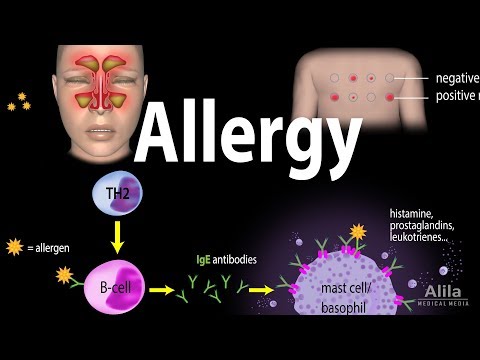
Allegra, known generically as fexofenadine, is an antihistamine. It works by blocking histamine—this is a chemical in your body that causes allergic symptoms like sneezing and itching. So when you take Allegra, you’re sort of putting a damper on those annoying allergy responses.
Common Uses
- Relieves sneezing
- Reduces runny or itchy nose
- Eases itchy eyes
You might find it particularly helpful during pollen-heavy months or if pet dander’s got you down.
Side Effects You Might Not Expect
You know how every rose has its thorns? Well, Allegra’s not without its side effects. While many people tolerate it well, some have reported headaches or feelings of fatigue. Sometimes folks feel dizzy or have dry mouth. It’s kind of like when you think you’re on top of things but then realize you’re just feeling off.
Mood Changes and Other Risks
A less common but important consideration is mood changes. Some users have experienced anxiety or irritability when on antihistamines like Allegra for extended periods. It’s sort of sneaky because you’re focusing on physical symptoms when the drug could subtly affect your mood too.
If you’ve been using Allegra for a long time without breaks, it’s worth checking in with yourself about any changes in how you feel overall—emotions included.
Your Body Adapting to Medication
The thing is, our bodies can adapt to medications over time. This means they might become less effective after prolonged use. Essentially, as your body gets used to fexofenadine, it might start needing higher doses to achieve the same relief.
A Balancing Act with Natural Remedies
If you’re feeling concerned about relying solely on medications like Allegra for allergy relief, integrating natural remedies could be worth a thought—things like nasal irrigation with saline solutions or even certain supplements might help ease symptoms without so many medication drawbacks.
- Eucalyptus oil can open airways
- Pearl powder may help those itchy eyes
- A good air purifier can also make a difference
The Bottom Line: Be Aware and Reflective
No one-size-fits-all approach exists when it comes to allergies and their management; everyone’s body reacts differently. So if you’re finding that your allergy relief isn’t what it used to be—or if new symptoms pop up—it could be time for a deeper look at your treatment method with someone who knows medical history better than Google does!
Uncovering the Unexpected Reactions of Fexofenadine Use
Understanding Fexofenadine: What is it?
Fexofenadine is the active ingredient in Allegra, a popular allergy medication. It helps relieve symptoms like sneezing, runny nose, and itchy eyes. It’s an antihistamine, which means it blocks histamine—a substance your body releases during allergic reactions.
How Does Fexofenadine Work?
When you encounter allergens like pollen or pet dander, your body responds by releasing histamine. This causes those annoying allergy symptoms. Fexofenadine stops this reaction by blocking the receptors for histamine. Think of it as putting on a shield that protects you from getting overwhelmed by allergies.
Common Side Effects
While many people tolerate fexofenadine well, some might experience side effects. These can include headache, dizziness and dry mouth. Most of the time these side effects are mild and may go away with continued use.
Unexpected Reactions
Sometimes people notice reactions that aren’t typically advertised or expected. For example, feeling tired or slightly drowsy can happen even though fexofenadine is considered a non-sedating antihistamine.
This reaction varies from person to person—some might feel alert while others don’t. You know how some coffee drinks keep you awake while others just don’t seem to do the trick? It’s kind of like that.
Allergic Reactions
This might sound counterintuitive since fexofenadine is used for allergies, but some individuals may actually be allergic to it. Symptoms can include rash, itching or swelling—especially around the face or tongue. If you suspect this could be happening to you after taking Allegra, contacting someone who can help would be wise.
Mood Changes
A few reports suggest that some users experience mood changes when using fexofenadine—not something you’d expect from an allergy medication! These changes aren’t common but being aware of them is important.
Potential Interactions with Other Medications
You might not realize that what you’re taking alongside fexofenadine matters too. Certain medications can interact with it and cause unexpected effects or enhance side effects. Always consider mentioning all your current medications whenever starting something new; that’s just good practice.
The Importance of Food Intake
It’s also worth mentioning food interactions as they might affect how well fexofenadine works or its side effects too! Taking it with fruit juices like grapefruit may lead to increased absorption which could change how the medicine acts in your body.
The Big Picture: Individual Reactions Matter
The truth is everyone’s body reacts differently to medications—including fexofenadine. What works wonders for one person might not work at all for another or could cause unexpected problems along the way.
- If you’re starting this medcation and feel anything strange—don’t hesitate to talk about it!
- Your healthcare provider has seen many reactions before and can help guide you through any concerns.
- Paying attention to your body’s signals is really key!
Taking Away Key Points
Fexofenadine can be very effective against allergies but it’s important to remain aware of possible reactions; both expected and unexpected ones! Keep an open line of communication with whoever prescribed it—that makes a world of difference when managing your health outcomes!
Allegra, also known by its generic name fexofenadine, is an antihistamine primarily used to relieve symptoms of seasonal allergies. It works by blocking histamines, substances in the body that cause allergy symptoms like sneezing and runny nose. The thing is, while it’s effective for many people, understanding its uses and potential side effects is crucial.
One key use of Allegra is in treating allergic rhinitis—think of it as when pollen triggers your sneeze reflex. It can also help with hives, providing relief from itching and discomfort. For those suffering from hay fever or environmental allergies, it can be a game changer.
However, like all medications, Allegra comes with side effects. Most common ones include headache and dizziness. Some individuals may experience drowsiness or dry mouth as well. It’s important to note that while most side effects are mild, everyone reacts differently to medications.
Risks should not be overlooked either. Certain health conditions can complicate Allegra’s use. Those with renal impairment or taking other medications should consult a healthcare professional before using it. Additionally, mixing Allegra with alcohol might heighten drowsiness.
In my view, understanding the balance between the benefits and risks associated with Allegra encourages informed choices about allergy management. Communication with healthcare providers enhances safety when using this medication.