The information provided in this article is intended solely for general informational and educational purposes. It does not constitute medical advice, diagnosis or professional treatment, and should not be considered a substitute for consultation with a qualified doctor or other licensed healthcare professional. Any health-related decisions should be made in consultation with accredited medical professionals.
While efforts have been made to ensure the information is accurate and up to date, no guarantees are given—either express or implied—regarding its accuracy, completeness, currency or suitability. Use of this information is at your own discretion.
It is strongly recommended to consult official sources such as the NHS (National Health Service) or other recognised medical institutions before acting on any information contained on this website or article. Under no circumstances should professional medical advice be ignored or delayed due to content read here.
This content is of a general and informational nature only. It is not intended to replace individualised guidance from a healthcare professional or to establish any doctor-patient relationship. The publication of this information does not imply any professional responsibility, guarantee or obligation on the part of the author or this site.
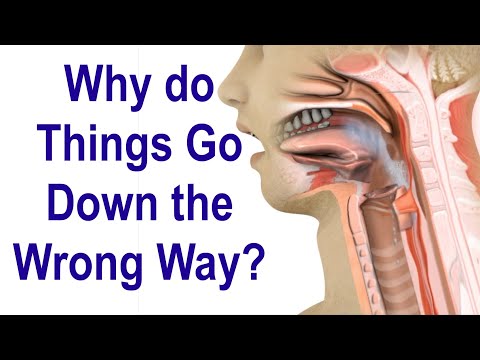
Have you ever choked on a piece of food? It’s pretty alarming, right? That moment when something goes down the wrong way can be scary. But it also sparks curiosity about what’s actually happening in our bodies. This is where the term “aspiration” comes into play.
Aspiration isn’t just a medical term; it refers to a situation where food, liquid, or even saliva accidentally enters the airway instead of the esophagus. Sometimes, this can lead to serious health issues like aspiration pneumonia. That sounds daunting, but let’s break it down.
This article aims to help you understand aspiration clearly—what it means, how it can impact your health, and why awareness is important. Recognizing the signs and knowing when to seek help can make all the difference. You might be surprised by how common these situations are!
Remember, while this content provides valuable information, it doesn’t replace professional medical advice. Always consult with a healthcare professional for any health concerns you may have.
Exploring the Role of Aspiration in Health and Healing
Understanding Aspiration: Its Medical Meaning and Impact on Health
Aspiration has a couple of different meanings in medicine. It can refer to the process of drawing in substances, like fluids or air, into the body. Most commonly, it happens when food or liquids go down the wrong pipe and end up in the lungs. This can be dangerous because it might cause infections like pneumonia.
This brings us to an important point: aspiration isn’t always negative. Sometimes, healthcare professionals perform aspiration purposely. For example, they may use a syringe to remove excess fluid from a swollen joint or to obtain a sample for testing. This is just one way aspiration plays a role in health and healing.
The Consequences of Aspiration
When someone accidentally aspirates food or liquids, they might cough, choke, or feel short of breath. If these substances stay in the lungs too long, they can lead to serious conditions. You know how when you’re swimming you occasionally get water up your nose? Imagine that happening with food; not such a great feeling.
Pneumonia caused by aspiration is often referred to as aspiration pneumonia. Factors like age, neurological conditions (like stroke), or swallowing difficulties can increase risk for this condition.
Coping with Aspiration Risks
If you or someone you know has swallowing difficulties—also known as dysphagia—there are strategies that can help reduce risks. Eating slowly and chewing well makes a difference! You might also want to sit upright while eating and drinking.
While thickened liquids may help some people swallow more easily—like choosing smoothie-like drinks over water—it’s crucial not just to consider these options alone without speaking to healthcare providers who understand detailed needs.
Aspiration in Medical Procedures
Aspiration isn’t only something that occurs accidentally; it’s also used therapeutically during procedures like arthrocentesis (joint aspirations) or lumbar punctures (spinal taps). In these cases, removing fluid helps relieve pressure and allows doctors to analyze what’s going on inside the body.
This approach illustrates how aspiration plays dual roles as both friend and foe within health contexts. Being aware of how it impacts individuals is important for informed discussions about treatment options and coping strategies. Having conversations with healthcare teams helps clarify specific risks based on personal health situations.
The Takeaway
The bottom line? Aspiration is multifaceted; it both poses risks and serves important purposes in medical settings. Understanding it better can empower us all—not just regarding safety during eating but also when considering potential medical interventions down the line.
Uncovering the Hidden Dangers of Inhaling Foreign Substances
Understanding Aspiration
Hey, so aspiration isn’t just a fancy word; it actually refers to the act of inhaling foreign substances into your airways or lungs. This can happen with food, liquids, or even small objects. It’s like when you accidentally inhale water when you’re swimming. Not much fun, right?
The Dangers of Inhaling Foreign Substances
Look, the real issue is that inhaling these materials can lead to serious health problems. Your lungs aren’t built to handle anything other than air. When something else sneaks in, it can cause infections or blockages.
Types of Foreign Substances
- Food: Choking on food is common and can be really dangerous.
- Liquids: Drinking too fast sometimes makes you inhale a bit of liquid.
- Tobacco smoke: Inhaling smoke exposes your lungs to harmful chemicals.
- Pollen or dust: Allergens can trigger asthma and other respiratory issues.
Aspiration Pneumonia
This is one of the big risks associated with aspiration. It happens when bacteria from the inhaled material infects the lungs. Think about it like this: if you spill some milk on the floor and don’t clean it up, soon enough it’ll attract ants. That’s kind of what bacteria do in your lungs when there’s something in there that shouldn’t be.
Symptoms You Might Notice
- Coughing that doesn’t go away
- Slight fever or chills
- Trouble breathing
- Pain in your chest
Your Body’s Defense Mechanisms
You know, our bodies are pretty clever at fighting off things we inhale that don’t belong there. The cough reflex is an important one—it helps push out undesirable materials from your airway like a bouncer at a club asking uninvited guests to leave!
How Can You Prevent Aspiration?
Sometimes being mindful while eating helps prevent aspiration issues. Chewing slowly and not talking with a mouth full can keep your airways clear. It sounds simple but it works!
The Role of Professional Help
If you’re someone who often experiences aspiration—like folks with certain swallowing difficulties—getting support from health professionals might be a good idea.
They can guide you on safe eating techniques and even consider therapies if necessary.
A Word on Myths
A common myth is that only elderly people face risks related to aspiration—and that’s simply not true! Anyone can experience this, especially kids who might swallow toys by accident.
The takeaway? Being aware of what you inhale matters for keeping yourself healthy! If something feels off after you’ve inhaled something strange, it’s always best to get checked out!
Understanding the Impact of Aspiration in Your Medical Journey
Understanding Aspiration in Medicine
Aspiration in a medical context refers to the act of inhaling foreign materials into the lungs. This can happen when food, liquid, or even saliva is accidentally breathed in rather than swallowed. It’s pretty common, especially among those who have swallowing difficulties.
Think of it like this: imagine trying to eat soup while laughing at a joke. If you inhale instead of swallow, that soup can go straight into your lungs. Not fun and definitely not good for your health.
The Risks Involved
The main concern with aspiration is aspiration pneumonia, which occurs when bacteria from the inhaled material infects the lungs. It can lead to serious health problems if not treated effectively.
It’s worth mentioning that some people are more prone to aspiration due to conditions like stroke or certain neurological disorders. These conditions might disrupt their swallowing reflexes or coordination. You know how sometimes we lose focus and spill our drinks? Imagine if that happened inside your body? That’s what we’re dealing with here.
Signs and Symptoms
So, how do you know if aspiration has occurred? Look out for symptoms like coughing, difficulty breathing, chest discomfort or fever after eating or drinking. If these things happen regularly after meals, it’s time for a chat with a healthcare provider.
Prevention Strategies
You know what they say—an ounce of prevention is worth a pound of cure? When it comes to aspiration, this rings true! Simple strategies include eating slowly and chewing food thoroughly. Sometimes small changes make the biggest difference.
- Sit up straight while eating.
- Avoid talking while chewing.
- Consider thickening liquids if advised by a professional.
Treatments Available
If someone does experience regular aspiration issues, treatment varies based on individual needs. Speech therapy might help improve swallowing techniques. In some cases, dietary changes are important too!
And hey—sometimes medications are prescribed to help manage underlying conditions contributing to these problems. Just remember: all treatments should be discussed with someone who understands individual situations well.
A Final Thought
The journey through medical challenges can seem daunting but understanding aspects like aspiration helps demystify them some what! Always keep communication open with healthcare providers about concerns like these—they’re there to support and guide you through any challenges you face along your path!
Understanding Aspiration: Its Medical Meaning and Impact on Health
Aspiration, in medical terms, refers to the inhalation of foreign materials into the lungs. This can include food, liquid, or even saliva. It’s a fairly common issue but can have serious consequences if not recognized and addressed promptly.
Sometimes people may not even realize they are aspirating. For instance, if someone eats too quickly or talks while eating, small bits of food can accidentally go down the wrong pipe. Imagine a straw that momentarily gets blocked; that’s similar to what happens when airways are obstructed during aspiration.
In many cases, aspiration leads to aspiration pneumonia, which is an infection that occurs when these foreign substances irritate lung tissues. Symptoms often include coughing, difficulty breathing, or fevers. Catching this early is crucial for effective treatment.
The impact on health can be significant. Older adults or individuals with swallowing difficulties are at higher risk for aspiration-related issues. That makes it vital for caregivers and families to be aware of certain warning signs and strategies to prevent aspiration—like ensuring proper seating while eating or using specialized utensils.
Understanding aspiration means recognizing its risks and taking preventive steps to protect vulnerable individuals in our lives. It’s all about being proactive in healthcare—because sometimes what seems like a minor issue can lead to bigger health challenges if overlooked.