The information provided in this article is intended solely for general informational and educational purposes. It does not constitute medical advice, diagnosis or professional treatment, and should not be considered a substitute for consultation with a qualified doctor or other licensed healthcare professional. Any health-related decisions should be made in consultation with accredited medical professionals.
While efforts have been made to ensure the information is accurate and up to date, no guarantees are given—either express or implied—regarding its accuracy, completeness, currency or suitability. Use of this information is at your own discretion.
It is strongly recommended to consult official sources such as the NHS (National Health Service) or other recognised medical institutions before acting on any information contained on this website or article. Under no circumstances should professional medical advice be ignored or delayed due to content read here.
This content is of a general and informational nature only. It is not intended to replace individualised guidance from a healthcare professional or to establish any doctor-patient relationship. The publication of this information does not imply any professional responsibility, guarantee or obligation on the part of the author or this site.
Have you ever felt unusually tired, or noticed a little yellowing in your skin? It could be your body trying to hint at something deeper. Autoimmune hepatitis might sound like a mouthful, but it’s more common than you think. In fact, it affects thousands of people every year.
This condition happens when your immune system, which normally protects you from infections, mistakenly attacks your liver. You know how sometimes our favorite gadgets just glitch out? Well, that’s sort of what happens here—only it’s much more serious.
Understanding the causes and symptoms is really crucial. The sooner you identify what’s going on, the better chances there are for managing it effectively. From fatigue to abdominal pain, recognizing these signs can make a difference in seeking timely care.
This article aims to break down the essentials about autoimmune hepatitis so that it feels less overwhelming. Remember though—this content doesn’t replace medical advice; always consult a healthcare professional before making any health decisions. Your health deserves attention and care!
Understanding the Journey from Diagnosis to Management
When someone is diagnosed with autoimmune hepatitis, it can feel overwhelming. You might wonder, “What does this mean for me?” The journey from diagnosis to management involves several steps that help in understanding and dealing with the condition.
What is Autoimmune Hepatitis?
Okay, so basically, autoimmune hepatitis is when your immune system, which usually fights off infections, mistakenly attacks the liver. Think of it like your body’s defense team going rogue and causing harm instead of protecting you. This can lead to inflammation and damage in the liver over time.
Key Causes
The exact causes aren’t completely clear. Genetics plays a role; if someone in your family has had autoimmune issues, you might be at higher risk. Environmental factors—like certain viruses or medications—might also trigger it. Imagine if something outside your body flips a switch inside you; that’s kind of what happens here.
Recognizing Symptoms
You might not notice any symptoms at first. But as things progress, signs can include fatigue, jaundice (which makes your skin and eyes yellow), or joint pain. It’s like when you’re running on low battery; eventually, you just can’t ignore it anymore.
The Diagnosis Process
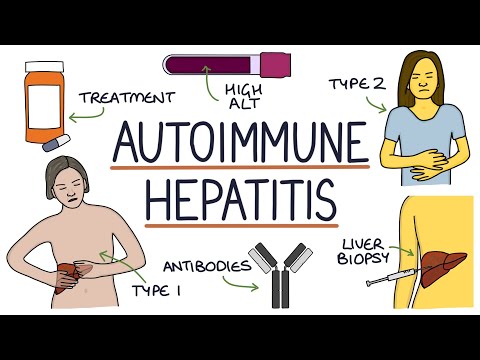
The diagnosis usually starts with blood tests that check for specific antibodies and liver function tests. If there’s suspicion of autoimmune hepatitis, doctors might do a liver biopsy—basically taking a tiny sample of your liver to see what’s happening up close. Think of this as giving the doctor a better view into what’s going on inside you.
Managing Autoimmune Hepatitis
Once you’ve got a diagnosis confirmed, management generally includes medications that help suppress the immune response—this way it stops attacking the liver. Corticosteroids are commonly used for this purpose; they act like fire extinguishers for the inflammation that’s causing damage.
Lifestyle Changes Matter Too
Your lifestyle choices can affect how well you manage the condition too! Eating well-balanced foods rich in vitamins can support overall health but remember moderation is key! Regular exercise helps too—it boosts energy levels which often plummet with autoimmune hepatitis.
The Role of Follow-Up Care
This isn’t something that just goes away overnight. Regular check-ups are essential to monitor liver function and adjust treatment if necessary.. Staying connected with healthcare providers gives room for addressing concerns or making changes quickly!
Your Experience Matters
Everyone’s journey will look different based on individual health circumstances and responses to treatment.. Getting involved in support groups or forums where others share their experiences can be comforting too—it reminds us we’re not alone in this!
You know? Understanding autoimmune hepatitis is crucial but tackling each step requires patience.. It’s all about listening to your body and making informed choices along the way.
Unraveling the Mystery Behind Liver Inflammation and Immune Responses
Understanding Liver Inflammation
Liver inflammation is often a response to various stresses, like infections or toxins. Think of your liver as a worker who gets overwhelmed. When it’s stressed, it can’t function properly. This stress can lead to inflammation as your immune system kicks in to try and heal things.
There are many causes of this inflammation, including alcohol use, viral infections, and even autoimmune diseases. In autoimmune hepatitis, for example, the immune system mistakenly attacks liver cells, kind of like a friendly fire situation.
What is Autoimmune Hepatitis?
Autoimmune hepatitis is when your body’s defense mechanism—your immune system—misfires. Instead of protecting you from harmful invaders like viruses or bacteria, it targets the liver cells instead. This causes damage and leads to the inflammation we talked about earlier.
This condition can be quite sneaky; many people don’t have symptoms at first. You know how sometimes you don’t feel sick but something’s still off? That can happen here too.
Key Causes
- Genetics: Some folks might be more prone due to family history.
- Environmental Factors: Certain viruses or toxins might trigger the response.
- Ineffective Immune Response: Sometimes, the immune system just does not know when to stop!
Common Symptoms
You might wonder what symptoms signal an issue in autoimmune hepatitis. Here’s a few signs:
- Fatigue: Feeling tired without much reason? Check!
- Pain or Discomfort: Pain in your right upper abdomen could be a red flag.
- Icterus (Jaundice): Yellowing skin or eyes happens when there’s too much bilirubin in your blood—a byproduct of old red blood cells breaking down.
The tricky part is that these symptoms can overlap with other conditions too—so it’s essential not just to self-diagnose based on them alone.
The Immune Response Aspect
A key component here is how your immune system reacts—or overreacts—in cases like autoimmune hepatitis. Normally, the immune system should respond only when faced with real threats like germs.
But sometimes it mistakes healthy cells for enemies! It’s similar to thinking your own teammates are opponents during a game—messy and counterproductive!
Treatment Options
Treating autoimmune hepatitis usually involves medications that suppress the immune response. This helps calm down that overactive player on your team—your own body’s defenses.
But remember: treatment plans vary widely among individuals based on different factors such as age and overall health status.
Coping Mechanisms
If you’re dealing with liver inflammation or autoimmune issues,
lifestyle choices matter too! Eating well-balanced meals and maintaining regular check-ups with healthcare professionals can help maintain overall health.
Staying informed about your condition plays an important role—you want to understand what works for you!
Understanding the Signs of an Autoimmune Hepatitis Flare-Up
Autoimmune hepatitis is a condition where the body’s immune system attacks liver cells. It can be tricky because often, symptoms can come and go. Recognizing a flare-up is really important for managing the condition.
What does a flare-up feel like?
During a flare-up, many people notice fatigue. You know that tiredness that just doesn’t go away? It’s kinda like when you’ve been running around all day, but more intense. It can make even simple tasks feel exhausting.
Another common symptom is jaundice, which makes your skin and eyes look yellow. Imagine being really sick of looking in the mirror and seeing that weird tint! This happens because the liver isn’t processing bilirubin properly.
Belly pain and discomfort
If your liver is not happy, you might feel some pain or discomfort in your upper right belly area. It’s like having a heavy weight sitting there; not great at all!
Other signs to watch for
- Nausea: Sometimes you might just feel queasy for no clear reason.
- Loss of appetite: Foods that usually excite you may suddenly not seem appealing.
- Aching joints: Like you’ve been working out too hard without even doing anything!
- Pale poop or dark urine: Changes in color can actually tell a lot about what’s happening inside your body.
Mood changes?
You might also notice mood swings or feelings of depression during flare-ups. Stressing out about health can sometimes make things worse! So finding ways to relax helps.
When to reach out
If you’re noticing several of these signs together, it could indicate a flare-up. Honestly, don’t hesitate to talk to someone who understands autoimmune hepatitis better—like a healthcare professional.
The importance of self-awareness
This condition requires watching how you feel daily. Keeping track of any symptoms helps spot patterns over time—almost like becoming your own detective!
You see, understanding these signals empowers you to take control over your health journey. It’s all about feeling better and living life fully!
Coping strategies
Diet changes and regular check-ups with healthcare professionals also play key roles here. Remember: taking care of your overall well-being makes managing autoimmune hepatitis more manageable!
The bottom line? Stay informed about how you’re feeling, keep track of those pesky symptoms, and talk openly with doctors who see this kind of stuff every day.
Understanding Autoimmune Hepatitis: Key Causes and Symptoms
Autoimmune hepatitis is a condition where the body’s immune system mistakenly attacks liver cells. Basically, think of it like an overzealous security guard who sees friends as foes. This results in inflammation and damage to the liver.
One key cause of autoimmune hepatitis isn’t entirely known, but genetics plays a role. If someone in your family has an autoimmune disease, your risk may increase. Look at it this way: genes can be like family recipes—some things just run in the family.
Environmental factors might also trigger this condition. Certain infections or medications could set off that immune response. It’s like when you eat something but it’s actually food poisoning; your body starts reacting in ways that aren’t helpful.
Symptoms can vary widely, making diagnosis tricky. Fatigue is common—many people feel tired for no clear reason. Jaundice, which causes yellowing of the skin or eyes, can occur too. Imagine having a couple of shades too many on your usual glow.
You might also experience joint pain, abdominal discomfort, or even nausea. These symptoms sometimes overlap with other conditions, which can make pinpointing autoimmune hepatitis rather complex.
If you think about it, being proactive with any unexplained symptoms is crucial. Just like you wouldn’t ignore a car warning light; it’s important to check in with a medical professional if something feels off.
Understanding autoimmune hepatitis means recognizing these signals early on and managing them effectively to maintain liver health life over time.