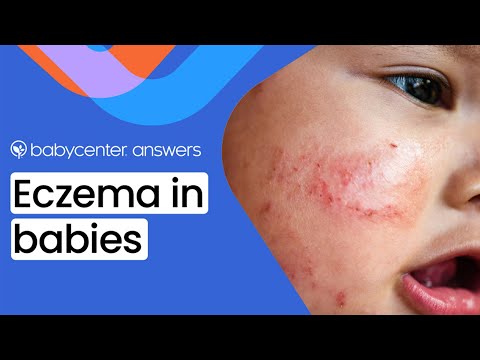
Eczema in babies can be a source of concern for many parents. The red, itchy patches on their delicate skin can lead to sleepless nights and worried days. It’s important to understand baby eczema — the symptoms, causes, and effective treatments available.
Imagine your baby’s skin as a protective barrier, like a castle wall. When that wall is strong, it keeps out irritants and allergens. But if it becomes damaged or weak, problems like eczema can arise. By learning about this condition, you can help fortify that protective barrier.
Symptoms of baby eczema can vary but often include red or dry patches on the cheeks, forehead, or scalp. Babies may also experience itching or discomfort leading to fussiness. Understanding these signs helps you respond appropriately.
Several factors contribute to eczema’s development—genetics play a significant role, alongside environmental triggers like certain fabrics or soaps. Identifying these triggers is crucial for managing the condition effectively.
When it comes to treatment options, creams are often the first line of defense. Emollient creams help hydrate the skin and restore its barrier function while medicated creams can relieve inflammation.
However, it’s essential to approach this topic with caution. Eczema can mimic other skin conditions and may require differing treatments based on individual cases. Always seek advice from healthcare professionals who specialize in dermatology or pediatrics before starting any new regimen. Explore various resources—even trusted online articles—to get a comprehensive view of baby eczema and ensure you’re making informed decisions for your little one’s health.
The information provided in this article is intended solely for general informational and educational purposes. It does not constitute medical advice, diagnosis or professional treatment, and should not be considered a substitute for consultation with a qualified doctor or other licensed healthcare professional. Any health-related decisions should be made in consultation with accredited medical professionals.
While efforts have been made to ensure the information is accurate and up to date, no guarantees are given—either express or implied—regarding its accuracy, completeness, currency or suitability. Use of this information is at your own discretion.
It is strongly recommended to consult official sources such as the NHS (National Health Service) or other recognised medical institutions before acting on any information contained on this website or article. Under no circumstances should professional medical advice be ignored or delayed due to content read here.
This content is of a general and informational nature only. It is not intended to replace individualised guidance from a healthcare professional or to establish any doctor-patient relationship. The publication of this information does not imply any professional responsibility, guarantee or obligation on the part of the author or this site.
Uncovering the Triggers Behind Your Baby’s Eczema Journey
Eczema in babies is often a challenging experience. Understanding what triggers it can help you manage symptoms more effectively.
First, let’s talk about what eczema is. It’s not a single condition but a group of conditions that make skin inflamed, itchy, and red. Babies are particularly vulnerable because their skin is delicate.
One common cause of eczema is dryness. Think of your baby’s skin like a sponge. If it gets too dry, it can crack and irritate easily. Keeping your baby’s skin moisturized can help prevent flare-ups.
Another trigger can be allergens. These are substances that can provoke an allergic reaction. Common allergens include pollen, pet dander, and certain foods like eggs or dairy.
- Heat: High temperatures can cause sweating and irritation.
- Humidity: Too much moisture in the air may lead to mold growth.
- Detergents: Harsh laundry soaps or fabric softeners might irritate sensitive skin.
It’s important to note that not all babies react to the same triggers. Each child is unique, and their reactions may vary widely.
Stress might also contribute to eczema flare-ups in older children but typically isn’t a primary trigger in infants. However, a calm environment is beneficial for all kids.
A solid skincare routine is essential as well. Regular bathing with lukewarm water followed by gentle moisturizing helps strengthen the skin barrier.
Avoid scents and dyes in products meant for your baby’s skin; these additives can worsen the problem. Opt for hypoallergenic brands when you shop for creams or washes.
Remember to keep an eye on what seems to make your baby uncomfortable. Keeping a journal might help track potential triggers over time.
Lastly, always consult with health care professionals if you’re unsure about your baby’s symptoms or treatments. They offer invaluable guidance tailored specifically for your little one’s needs.
By understanding these triggers better, you’re taking positive steps toward keeping your baby comfortable and happy despite the challenges of eczema!
Finding Relief for Your Little One’s Skin Troubles
Skin issues in babies, like eczema, can be tough for both little ones and their parents. It’s essential to understand what baby eczema is to find relief.
What is Baby Eczema?
Eczema is a common skin condition that causes redness, itching, and dryness. It often appears on the face, arms, and legs of infants.
Symptoms
Look out for:
Causes
Eczema isn’t fully understood. However, it often relates to:
Environmental factors play a role too. Things like dust mites, pet dander, or certain fabrics can trigger flare-ups.
Treatments and Creams
Finding the right products is key. Consider using fragrance-free moisturizers. Applying creams right after bath time helps lock in moisture.
Some parents find that over-the-counter hydrocortisone creams provide temporary relief from itching. Always follow package instructions carefully.
Avoid harsh soaps or bubble baths; they can irritate the skin further. Look for gentle cleansers specifically made for sensitive skin.
Bathing Tips
Use lukewarm water instead of hot water during baths. Limit bath time to about 10-15 minutes and pat dry gently with a towel instead of rubbing.
Avoiding Triggers
Identify and try to avoid irritants that seem to worsen your baby’s eczema. This can mean changing laundry detergents or selecting more breathable clothing fabrics.
The Importance of Patience
It’s important to remember that managing baby eczema may take time. What works for one child might not work for another.
If you notice any changes in your baby’s eczema—or if it worsens—consulting with a healthcare provider is wise.
Caring for your little one’s skin takes understanding and sometimes trial and error. With patience and knowledge, you can help soothe their discomfort while keeping their delicate skin healthy.
Uncovering the Surprising Trigger Behind Baby Eczema
Baby eczema, or atopic dermatitis, is a common skin condition that affects many infants. It often appears as red, itchy patches on the skin. While it can be frustrating for parents, understanding its causes can help manage symptoms better.
You might think eczema is just about dry skin. But it’s actually more complex. One surprising trigger for baby eczema is a leaky skin barrier. Imagine your skin as a house. If the walls have holes, moisture escapes and irritants come in.
Many parents notice flare-ups after certain foods are introduced. Common allergens include milk, eggs, soy, and nuts. However, not every baby reacts this way.
Keeping track of what your baby eats can help identify any patterns. If you suspect food is triggering eczema, consider discussing it with a healthcare provider.
It’s also important to note that stress doesn’t just affect adults; it can impact babies too! Changes in routine or environment might lead to flare-ups.
You may wonder about creams and treatments available for baby eczema. Emollients are crucial; they help lock in moisture and strengthen the skin barrier. Look for products specifically designed for babies.
However, over-the-counter corticosteroids should be used carefully and typically under guidance from a healthcare provider. Balancing treatment to soothe the skin without causing further irritation is key.
In conclusion, understanding these triggers helps empower parents to better manage their baby’s eczema. By being aware of potential causes—whether environmental or dietary—you’re taking proactive steps towards healthier skin for your little one. Always stay curious and informed when navigating products and treatments!
Baby eczema, also known as atopic dermatitis, is a common skin condition affecting infants. Understanding its symptoms, causes, and treatment options is essential for caregivers. It can be distressing to see a baby uncomfortable with itchy, inflamed skin.
Symptoms typically include dry patches or red rashes on the face, scalp, and body. Babies may scratch these areas and appear irritable. Recognizing these signs early can help in managing discomfort effectively.
Causes of baby eczema remain multifaceted. Genetics plays a role; if parents have allergies or asthma, their child may be more prone to eczema. Environmental factors such as temperature changes or exposure to irritants like soaps can also trigger flare-ups.
When it comes to treatment, moisturizing creams are key. They function like a protective barrier for the skin, locking in moisture and preventing dryness. Emollients should be applied regularly, especially after baths when the skin is most hydrated.
It’s vital to choose creams carefully; some contain fragrances or harsh chemicals that could worsen irritation. Opt for products labeled as hypoallergenic and fragrance-free whenever possible.
Caring for an infant with eczema can feel overwhelming at times. Reassurance comes from knowing multiple strategies exist to alleviate symptoms and improve quality of life for both the baby and caregiver.
In conclusion, understanding baby eczema equips parents with the knowledge needed to navigate this common challenge. Awareness leads to informed decisions about skincare routines that foster healthier skin and greater comfort for babies.