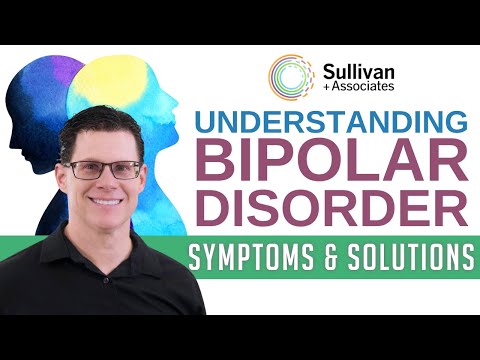
Bipolar I is a mental health condition that can feel like riding a roller coaster of emotions. Imagine your mood swinging from the highest highs, where you feel unstoppable, to the lowest lows, where even getting out of bed can seem overwhelming. This duality is at the heart of Bipolar I disorder, and understanding it can empower both those who live with it and their loved ones.
The symptoms of Bipolar I are marked by episodes of mania and depression. During manic phases, individuals might experience heightened energy, rapid thoughts, and an inflated sense of self-importance. In contrast, depressive episodes bring feelings of sadness, hopelessness, and fatigue. It’s essential to recognize these signs early for effective management.
Treatment for Bipolar I often involves a mix of medication and therapy tailored to each person’s unique needs. While medications help stabilize mood swings, therapy provides tools for coping with challenges. With appropriate support, many individuals lead fulfilling lives.
Understanding the causes behind this condition is equally important. Genetics play a role; having a family history increases risk. Environmental factors like stress or trauma may also trigger episodes.
However, knowledge is power—but it requires caution! Be wary of misinformation or oversimplified portrayals in popular media. Each person’s experience with Bipolar I is unique; what works for one may not work for another. Consulting with various specialists—from psychiatrists to therapists—and exploring reliable resources can lead to better outcomes. Always seek diverse perspectives when navigating mental health issues to ensure comprehensive understanding and care.
Curiosity about Bipolar I is the first step toward building empathy and advocacy—both for oneself and others affected by this condition!
The information provided in this article is intended solely for general informational and educational purposes. It does not constitute medical advice, diagnosis or professional treatment, and should not be considered a substitute for consultation with a qualified doctor or other licensed healthcare professional. Any health-related decisions should be made in consultation with accredited medical professionals.
While efforts have been made to ensure the information is accurate and up to date, no guarantees are given—either express or implied—regarding its accuracy, completeness, currency or suitability. Use of this information is at your own discretion.
It is strongly recommended to consult official sources such as the NHS (National Health Service) or other recognised medical institutions before acting on any information contained on this website or article. Under no circumstances should professional medical advice be ignored or delayed due to content read here.
This content is of a general and informational nature only. It is not intended to replace individualised guidance from a healthcare professional or to establish any doctor-patient relationship. The publication of this information does not imply any professional responsibility, guarantee or obligation on the part of the author or this site.
Navigating the Ups and Downs of Everyday Life
Bipolar I is a mood disorder characterized by extreme highs and lows. These episodes can affect a person’s daily life, relationships, and work. Understanding this condition is key to navigating its challenges.
Symptoms of Bipolar I can be divided into two main phases: manic and depressive.
During a manic episode, individuals might experience:
On the other hand, depressive episodes bring different struggles:
These shifts between mania and depression aren’t just emotional; they can also be physical. People may feel vibrant one moment but utterly exhausted the next. It’s like being on a rollercoaster—exciting at times but often overwhelming.
What causes these ups and downs? The exact reasons are still unclear. However, researchers believe a mix of genetics, brain chemistry, and environmental factors play significant roles. Think of it like baking a cake: if you change one ingredient or the temperature even slightly, the outcome can be very different.
Treatments for Bipolar I focus on stabilizing mood swings. This often includes medications such as mood stabilizers or antipsychotics. Therapy also plays an important role—talking to professionals can help individuals manage their emotions more effectively.
Support from family and friends is invaluable too. It’s important for loved ones to understand what bipolar disorder entails so they can offer support without judgment.
Living with bipolar disorder means developing strategies to cope with everyday stresses. This might involve sticking to routines, practicing self-care, or using mindfulness techniques.
Myths about bipolar I persist, leading to misunderstandings:
Bipolar disorder isn’t just mood swings.
It’s not uncommon for people to dismiss it as mere fluctuations in personality; however, it’s much deeper than that.
Another misconception is that treatment isn’t effective. Many find relief through appropriate therapies over time—it’s about finding what works best for each individual.
Bipolar I presents unique challenges but many people lead fulfilling lives with proper support and management strategies in place. Understanding the condition is crucial—not just for those experiencing it but also for their loved ones who provide support along the journey.
Empathy and patience are essential when navigating this complex terrain together.
A Journey Through the Highs and Lows of Bipolar 1 Experience
Bipolar I disorder is a mental health condition marked by significant mood swings. These can lead to intense emotional highs and lows. Understanding this journey can help both those who experience it and their loved ones.
During the manic phases, individuals may feel euphoric, full of energy, or unusually irritable. It’s like being on a roller coaster, racing upward with extreme enthusiasm. This phase can lead to impulsive decisions, such as spending sprees or reckless behavior.
On the flip side are the depressive episodes. These involve feelings of sadness, fatigue, and hopelessness. Imagine the same roller coaster suddenly plummeting; everything feels heavy and overwhelming during these times. People may withdraw from friends and activities they once enjoyed.
Diagnosing Bipolar I can be tricky. Many symptoms overlap with other mental health conditions. It often takes time for someone to receive an accurate diagnosis from a professional who understands mood disorders.
The exact cause of Bipolar I isn’t fully understood yet. However, several factors play a role:
When it comes to treatment, there isn’t a one-size-fits-all approach. A mix of strategies usually works best. Medication often includes mood stabilizers or antipsychotics to manage symptoms. Therapy is also crucial; talking helps individuals explore their feelings and develop coping skills.
Lifestyle changes can make a difference too! Regular exercise, healthy eating habits, and good sleep hygiene all contribute positively. Establishing consistent routines helps stabilize mood swings.
Myths about bipolar disorder are common but misleading. For example, some believe people with bipolar disorder are always “crazy” or dangerous—this isn’t true! Most individuals simply seek understanding while working through their experiences.
Living with Bipolar I is not just about the highs and lows; it’s about finding balance in between them too. People often benefit from support groups where they connect with others facing similar challenges.
In conclusion, understanding Bipolar I involves recognizing its complexities—the exhilarating highs and challenging lows that shape daily life for those affected by it. With appropriate treatment and support, many individuals learn to navigate their journeys successfully. Always remember that seeking help is not only encouraged but essential for managing this condition effectively.
Finding Balance and Peace in Everyday Life
Finding balance and peace in everyday life can be challenging, especially for those who experience mood disorders like Bipolar I. Understanding this condition is the first step toward creating a stable life.
Bipolar I involves extreme mood swings. These can range from manic episodes, where one might feel euphoric and energized, to depressive phases filled with sadness and low energy.
To find balance, you might start by recognizing your own patterns. Keeping a journal can help track your moods and identify triggers. It’s like having a roadmap; when you know where you’re heading, it’s easier to navigate.
Establishing a daily routine is another effective way to bring stability. Consistency in sleep, meals, and activities can create a sense of control amidst emotional ups and downs.
Self-care plays a crucial role too. Engaging in activities that promote relaxation—like yoga or meditation—can lower stress levels. Think of it as recharging your phone; without charge, it can’t function properly.
Support from friends and family is important as well. Having someone to talk to can lighten the emotional load you carry. It’s similar to having a safety net; knowing someone else is there helps us feel secure.
Treatment options are available if needed. Therapy provides tools for managing emotions effectively while medication may help stabilize mood swings for some people.
Educating yourself about Bipolar I can arm you with knowledge that fosters understanding and compassion for yourself and others.
Finally, don’t underestimate the power of small changes over time. Even tiny shifts in habits or perspectives can lead to significant improvements in overall well-being.
In summary, finding balance when dealing with Bipolar I involves awareness of your feelings, establishing routines, practicing self-care, engaging with support systems, considering treatment options actively, and allowing room for gradual change.
Remember that everyone’s journey is unique; what works for one person may not work for another. Stay curious about what brings you peace on this journey toward balance.
Bipolar I disorder is a complex mental health condition that significantly impacts individuals and their families. Understanding its symptoms, treatments, and causes is essential for fostering empathy and improving outcomes.
Symptoms of Bipolar I are primarily characterized by manic episodes, which can manifest as extreme energy, increased activity, and inflated self-esteem. These episodes may lead to impulsive behavior or risky decisions. Depressive episodes also occur, marked by sadness, lethargy, and loss of interest in activities once enjoyed. This cyclical pattern can be compared to a rollercoaster ride—intense highs followed by deep lows.
When it comes to treatment, a combination approach often works best. This includes medication for mood stabilization—like mood stabilizers or antipsychotics—and psychotherapy to help individuals develop coping strategies. Think of therapy as a toolbox; the more tools you have, the better equipped you are to handle life’s challenges.
Understanding the causes involves recognizing that bipolar disorder has both biological and environmental factors. Genetics play a role; if someone has family members with bipolar disorder, they may be at higher risk. However, stressors in life—like trauma or significant transitions—can trigger episodes.
Ultimately, education is vital in reducing stigma around bipolar disorder. By learning about its complexities and demonstrating compassion towards those affected, we can create supportive environments that encourage treatment adherence and improve quality of life. Remember that understanding mental health conditions like Bipolar I is not just about knowing facts but also about cultivating understanding and kindness in our communities.