The information provided in this article is intended solely for general informational and educational purposes. It does not constitute medical advice, diagnosis or professional treatment, and should not be considered a substitute for consultation with a qualified doctor or other licensed healthcare professional. Any health-related decisions should be made in consultation with accredited medical professionals.
While efforts have been made to ensure the information is accurate and up to date, no guarantees are given—either express or implied—regarding its accuracy, completeness, currency or suitability. Use of this information is at your own discretion.
It is strongly recommended to consult official sources such as the NHS (National Health Service) or other recognised medical institutions before acting on any information contained on this website or article. Under no circumstances should professional medical advice be ignored or delayed due to content read here.
This content is of a general and informational nature only. It is not intended to replace individualised guidance from a healthcare professional or to establish any doctor-patient relationship. The publication of this information does not imply any professional responsibility, guarantee or obligation on the part of the author or this site.
Understanding Butt Rashes: Causes, Diagnosis, and Care
Have you ever noticed an uncomfortable rash in a sensitive area? It’s a common problem, but not something everyone feels comfortable talking about. Butt rashes can happen to anyone, no matter your age or lifestyle. They might be annoying or even embarrassing, but they’re often just a sign that something needs attention.
So, why does this matter? Well, understanding what causes these rashes can help you pinpoint the issue and find effective relief. Sometimes it’s as simple as chafing from tight-fitting clothes; other times it might be a skin condition that needs more care. The good news is that with the right info, you can manage it well.
This article will walk you through various causes of butt rashes—like irritants or infections—how to diagnose them properly, and tips for caring for your skin. Remember though, this information isn’t a substitute for professional medical advice. Whenever you’re uncertain about your health decisions, it’s always smart to check in with a healthcare professional.
Effective Remedies for Soothing Discomfort and Promoting Healing
Understanding Butt Rashes: Causes, Diagnosis, and Care
Butt rashes can be uncomfortable and a bit embarrassing. They often arise due to skin irritation, infections, or conditions like eczema. Let’s break it down.
Common Causes
There are several potential culprits behind butt rashes:
- Irritation: Friction from clothing or moisture can irritate the skin.
- Infections: Yeast infections and bacterial infections may develop in warm, moist areas.
- Skin Conditions: Conditions like eczema or psoriasis can cause redness and itching.
- Allergic Reactions: Products like soaps or laundry detergents might trigger a rash in sensitive skin.
Recognizing Symptoms
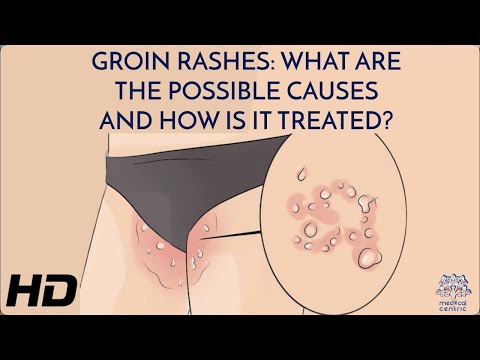
A butt rash might show up as redness, bumps, or even blisters. Itching is often a common complaint, too. Sometimes it can feel sore when you sit down. If you notice these signs persisting or worsening, it might be time to see someone about it.
Treatments at Home
The good news is that there are some home remedies that many find soothing:
- Cleansing gently: Use warm water and mild soap to clean the area without scrubbing hard.
- Drying effectively: After cleaning, ensure the area is thoroughly dried—moisture feeds rashes!
- Avoiding irritants: Wearing loose-fitting underwear made from breathable fabrics can help reduce friction.
- Creams & ointments: Barrier creams containing zinc oxide might provide relief and protect the skin.
Your Body’s Signals
If your butt rash doesn’t start to improve with home care in a few days—or if you see signs of infection like pus—it’s smart to seek further care. Listen to your body; sometimes it’s saying something important!
The Role of Healthcare Professionals
A healthcare professional can help diagnose issues that might not be clear-cut. They may suggest specific treatments based on what’s causing your rash—a slight change in routine could make all the difference!
A Healthy Lifestyle Matters
Your overall health impacts skin health too! Staying hydrated and eating a balanced diet supports this. Regular showering helps keep irritants at bay while avoiding harsh soaps could prevent future problems.
Mental Well-being Counts Too
Skin issues can take a mental toll as much as they bother physically. It’s okay to feel uneasy about them—many do! Consider talking with someone you trust if it starts weighing heavy on your mind.
No two bodies react the same way; what works for one person may not work for another. Pay attention to what makes you feel better! Sometimes trying small changes adds up to significant relief over time.
Quick Relief and Simple Tips for Comfortable Skin
Understanding Butt Rashes: Causes, Diagnosis, and Care
Butt rashes are more common than you might think. They can cause discomfort and irritation, making day-to-day activities a bit of a hassle. So, let’s break down the basics to get a better understanding of what might be going on.
What Causes Butt Rashes?
There are several reasons why someone might get a rash on their butt. One common cause is moisture. Think about it: sitting around in sweaty clothes or being in a wet environment can irritate the skin.
Another big player is friction. You know when you sit for too long or wear tight clothing? That rubbing can lead to redness and irritation.
There are also skin conditions like eczema or psoriasis that can flare up in that area. If that’s the case, it’s typically linked with other symptoms elsewhere on your body.
Identifying Symptoms
So how do you know if it’s just a simple rash? Look for redness, bumps, or even peeling skin. Sometimes there might be itching or burning sensations too.
If there’s any fluid leaking or if it becomes incredibly painful, that’s worth paying attention to. In these cases, consider reaching out to a healthcare professional for guidance.
Caring for Your Skin
The good news is there are simple strategies to soothe your skin. Keeping the area clean is key—gently wash with mild soap and pat dry thoroughly.
- Avoid scented products as they can irritate sensitive skin further.
- Wearing loose-fitting cotton underwear can help reduce moisture buildup and friction.
- If you notice excessive moisture, try using powders designed for such areas; they can absorb some of that sweat.
When to Seek Help
If your rash doesn’t seem to improve after trying some basic care techniques at home after a few days—or if it seems to worsen—consider seeing someone who can provide proper advice based on your specific situation.
A healthcare person may recommend topical treatments like hydrocortisone cream for inflammation or suggest other options depending on the diagnosis they provide.
Misinformation About Butt Rashes
An important thing to keep in mind is not everything you hear is true. Some people might say butt rashes are entirely due to hygiene issues; but this isn’t always accurate! It could also be linked with allergies or medical conditions that have nothing to do with cleanliness levels.
The bottom line? Remember that many factors could play into getting this kind of rash—that’s why understanding the causes and symptoms really helps in managing them effectively without unnecessary worry!
Uncovering the Causes and Solutions for Skin Irritations
Understanding Butt Rashes: Causes, Diagnosis, and Care
Butt rashes can really be a nuisance. They’re uncomfortable and sometimes embarrassing. But what causes these skin irritations? Let’s break it down in simple terms.
Common Causes
One major cause of butt rash is moisture. Think about it: sweat and moisture can get trapped in that area, especially if you’re sitting for long periods or wearing tight-fitting clothes. This creates a perfect environment for irritation.
Then there’s friction. If your skin rubs against fabric or even itself, it can become irritated. This often happens during exercise or when clothing doesn’t fit quite right.
Bacterial infections are another consideration. These can develop when the skin barrier is broken or compromised. It’s like a tiny opening that allows germs to sneak in and cause trouble.
Fungal infections, like yeast infections, are also common in this area—the warmth and moisture create an ideal setting for fungus to grow.
Allergies and Irritants
You might not realize it, but some soaps, detergents, or creams can lead to rashes too. It’s the same idea as getting a rash from poison ivy: your body just doesn’t like certain substances touching your skin.
Irritation from wiping too hard after using the bathroom is another factor many don’t consider. Over-wiping can be painful and lead to redness.
The Diagnosis Process
If you notice a persistent rash that isn’t improving with basic care at home, it’s wise to see someone who can help clarify what’s going on. They usually start with questions about your lifestyle and habits—what you wear, how often you exercise, etc., all matter!
A visual examination of the rash itself is also key because different rashes look different depending on their cause. Sometimes they might do tests to rule out infections or allergies.
Caring for Butt Rashes
- Keeps things dry: After showering or sweating, make sure you dry yourself thoroughly.
- Use breathable fabrics: Looser cotton underwear allows air circulation which helps reduce moisture build-up.
- Avoid harsh products: Choose gentle soaps without strong fragrances; these could irritate sensitive skin even more.
- If necessary: Over-the-counter creams may help ease inflammation—just make sure they don’t have any unknown ingredients that could worsen the issue!
If self-care doesn’t improve things in a few days or if you’re experiencing severe pain or swelling alongside the rash? Reaching out to a healthcare provider makes sense—they’ll have more tools at their disposal to help figure out what’s up!
The Bigger Picture
Your body communicates through rashes! They’re like red flags saying “Hey! Something isn’t right!” By paying attention and taking steps toward understanding what’s happening—and taking care of yourself—you’re already on the right path towards relief.
Understanding Butt Rashes: Causes, Diagnosis, and Care
Butt rashes are pretty common, yet they can be uncomfortable and embarrassing. It’s important to know what causes them, how they’re diagnosed, and ways to care for them.
Causes
There are several reasons someone might get a rash on their behind. One of the most common culprits is moisture. Think about a hot day where you sweat a lot; that dampness can lead to irritation. Other causes include:
- Friction: If you sit too long or wear tight clothing, your skin may rub together.
- Irritants: Products like soaps or laundry detergents can cause allergic reactions.
- Infections: Yeast infections are typical, especially in warm areas.
Diagnosis
If a rash lingers, it might be time for a doctor’s visit. They’ll usually start by examining the area and asking questions about symptoms.
A healthcare professional may look for signs of infection or other skin conditions like eczema or psoriasis. Sometimes they’ll need additional tests to pinpoint the exact issue.
Care
The good news is that many butt rashes can be managed at home with simple care steps!
- Keeps things clean: Gently wash the area with mild soap and water.
- Avoid irritants: Try switching soaps or laundry detergents if you suspect they’re causing problems.
- Create air flow: Wearing breathable fabrics can greatly help; opt for cotton over synthetics when possible.
If self-care isn’t doing the trick after a few days, don’t hesitate to reach out to that health professional! They may recommend creams or other treatments based on your specific needs. Addressing butt rashes promptly helps prevent them from becoming chronic issues!
This understanding not only helps in immediate care but also encourages open conversations about skin health—something we all should pay attention to!