The information provided in this article is intended solely for general informational and educational purposes. It does not constitute medical advice, diagnosis or professional treatment, and should not be considered a substitute for consultation with a qualified doctor or other licensed healthcare professional. Any health-related decisions should be made in consultation with accredited medical professionals.
While efforts have been made to ensure the information is accurate and up to date, no guarantees are given—either express or implied—regarding its accuracy, completeness, currency or suitability. Use of this information is at your own discretion.
It is strongly recommended to consult official sources such as the NHS (National Health Service) or other recognised medical institutions before acting on any information contained on this website or article. Under no circumstances should professional medical advice be ignored or delayed due to content read here.
This content is of a general and informational nature only. It is not intended to replace individualised guidance from a healthcare professional or to establish any doctor-patient relationship. The publication of this information does not imply any professional responsibility, guarantee or obligation on the part of the author or this site.
Hey, have you ever wondered how your body prepares for labor? It’s pretty amazing how everything works together. One key process in this journey is called cervical effacement.
So, what is that exactly? Well, in simple terms, it’s when the cervix begins to thin out and shorten as your body gets ready for delivery. This can be a little confusing—especially if you’re not familiar with all the medical jargon.
This article will take a closer look at cervical effacement. We’ll talk about what signs to look for and some potential risks involved. Understanding these can help you feel more prepared as you approach your due date.
This topic matters because knowing what’s happening with your body can ease many worries. But remember, this content doesn’t replace professional medical advice. Always consult a healthcare professional when it comes to health decisions and concerns.
Let’s break it down together!
Unlocking the Secrets to Understanding Your Body’s Changes During Labor
Understanding Cervical Effacement
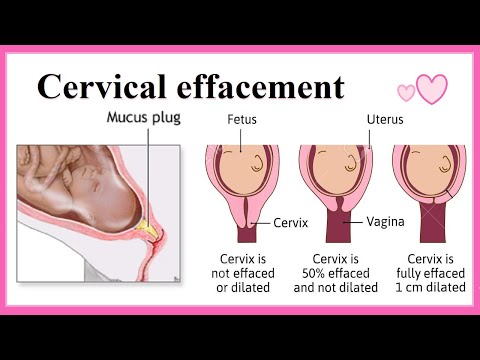
Cervical effacement might sound complicated, but it’s really about how your body prepares for labor. Think of it like a balloon that slowly deflates. The cervix, which is the lower part of the uterus, needs to thin out and shorten before baby can come through.
During pregnancy, the cervix is typically long and closed. As labor approaches, it starts to undergo changes—like getting softer and shorter. This thinning process is what we call effacement.
Signs of Cervical Effacement
You might wonder, how can someone tell if they’re experiencing this? One way is through vaginal examinations done by a healthcare provider. They’ll check for changes in the cervix’s thickness.
Some women may also notice a change in their bodies as they approach labor. For instance, you could feel more pressure in your pelvis or notice more frequent Braxton Hicks contractions—those practice contractions that prepare your body for the big day.
The Role of Dilation
Cervical effacement often goes hand-in-hand with dilation. Dilation refers to how much the cervix opens up to allow the baby to pass through. It’s measured in centimeters from 0 (closed) to 10 (fully dilated). These changes usually happen together during labor.
Potential Risks Related to Effacement
While cervical effacement itself isn’t risky, timing and progression are key. If effacement happens too early—let’s say before 37 weeks—it could indicate preterm labor risks. This means your body might be getting ready for baby earlier than expected.
If you’re ever unsure about what’s happening with your body during this time, it’s important to reach out to a healthcare provider. They can offer guidance specific to your situation!
A Personal Touch
Each pregnancy journey is unique—what happens with one person may look completely different from another’s experience. Some women feel little change until active labor hits; others might feel signs earlier on.
The thing is, knowing what cervical effacement involves can help you better understand what’s happening as you get closer to giving birth. Being aware reduces anxiety—you can remain focused on bringing new life into the world while recognizing these natural bodily changes!
Understanding Your Journey to Labor: Navigating Cervical Effacement
When you’re pregnant, getting close to labor can feel like standing on the edge of a cliff, right? One key part of this journey is cervical effacement. But what does that mean?
Cervical effacement refers to the thinning and shortening of the cervix as your body prepares for childbirth. Think of your cervix like a balloon that’s being inflated. When you’re not in labor, it’s long and thick—like a fully inflated balloon. As labor approaches, it thins out, making it easier for the baby to pass through. Simple enough, huh?
Why is Cervical Effacement Important?
Effacement measurements are usually given in percentages from 0% to 100%. When you’re at 0%, that means your cervix is thick and not ready for labor. At 100%, it’s completely thinned out and ready.
The key point here is that effacement usually goes hand-in-hand with dilation—the opening of the cervix itself. Sometimes they’ll happen together; sometimes one will start before the other.
How Do You Know if You’re Experiencing Effacement?
Signs of cervical effacement can be subtle. Some women may not notice any signs at all! Others might experience cramping or see changes in their discharge—think about increased mucus.
If you ever feel unsure or have questions about what you’re noticing down there, just reach out to your healthcare provider for help.
Potential Risks Associated with Effacement
Cervical effacement itself isn’t risky; it’s just part of preparing for labor! However, if it happens too early—before 37 weeks—it might signal preterm labor. That’s when doctors get involved more closely because they want to protect both you and your baby.
- Some common symptoms of preterm labor include regular contractions or back pain.
- If you experience these signs, don’t hesitate to contact someone who can help.
- The earlier stages may have different sensations than when actual labor begins!
Navigating Your Experience
Your journey through pregnancy is highly personal and unique. The process isn’t just medical; it’s emotional too. It’s completely normal to feel anxious or excited about what’s ahead!
Remember that efforting communication with your doctor or midwife can make all the difference in how supported you feel during this time.
Cervical effacement may seem simple on paper but it packs a lot of meaning as you approach one of life’s biggest milestones! Educating yourself about these changes helps reduce anxiety and empowers you during this wild ride towards motherhood.
Understanding the Signs Your Body is Preparing for Labor
Hey, so when you’re nearing the end of your pregnancy, you might notice some changes in your body. These can be clues that labor is on its way. But what exactly should you be looking out for?
Cervical Effacement
Cervical effacement means your cervix is thinning out in preparation for delivery. Imagine your cervix as a tightly rolled-up towel; as it effaces, it starts to flatten and open up. This process usually happens towards the end of pregnancy.
Many women describe this sensation as pressure or cramping in their lower abdomen or back. It’s like a warning sign that things are getting ready to roll!
Signs of Effacement
- You may feel more pelvic pressure.
- The baby’s position might change, settling deeper into your pelvis.
- You could notice an increase in discharge—this can be a good indicator that effacing is happening.
- Some women experience Braxton Hicks contractions more frequently as they approach labor.
The Range of Effacement
Cervical effacement can range from 0% to 100%. At 0%, it’s completely closed; at 100%, it’s fully thinned out and ready for the baby to pass through. Some women may not even realize they’ve started to efface until later in their pregnancy.
Potential Risks
While cervical effacement is a normal part of labor prep, sometimes it happens too early—like before 37 weeks—which might lead to premature labor. That said, not all cervical changes mean imminent labor or complications.
What To Do If You Notice Changes
If you feel you’ve begun to efface prematurely or experience any unusual symptoms—such as bleeding or severe pain—it’s important to reach out to a healthcare provider. They can provide guidance based on your specific situation.
Your Body’s Signals
Your body will often give you signals that it’s getting ready for labor, but what’s challenging is interpreting them! Pay attention; each woman’s experience is unique. Keep track of how you’re feeling and trust your instincts.
Final Thoughts
The journey into labor can feel overwhelming, but understanding signs like cervical effacement helps demystify the process a bit. It’s natural to have questions and concerns along the way! Engage with those around you and don’t hesitate to seek clarity when needed.
Understanding Cervical Effacement: Signs and Potential Risks
Cervical effacement is a key concept in childbirth. It refers to the thinning and shortening of the cervix as a woman’s body prepares for labor. Think of it like the cervix getting ready to open up, allowing the baby to pass through during delivery.
Effacement is measured in percentages, ranging from 0% to 100%. When a woman is at 0%, her cervix is thick and long. At 100%, it’s completely thinned out. This process can happen days or even weeks before actual labor begins, making it sometimes confusing for expectant mothers.
Signs of Cervical Effacement
A healthcare provider usually assesses cervical effacement during routine check-ups, especially in the later stages of pregnancy. Common signs can include mild pelvic pressure or increased discharge. Some women might also experience Braxton Hicks contractions, which are like practice contractions.
Potential Risks
While effacement itself isn’t risky, it can indicate potential complications if it happens too early—like before week 37. Preterm effacement can lead to premature labor, which carries risks for both mother and baby.
It’s crucial for pregnant women to stay attuned to their bodies during this time. If any abnormal symptoms arise—like severe abdominal pain or unusual fluid leakage—it’s important to consult a healthcare professional right away.
Overall, understanding cervical effacement helps expectant moms prepare mentally and physically for childbirth while ensuring they’re aware of any signs that may require further attention. Always engage with health care providers about any concerns; they’re there to help navigate this journey.