The information provided in this article is intended solely for general informational and educational purposes. It does not constitute medical advice, diagnosis or professional treatment, and should not be considered a substitute for consultation with a qualified doctor or other licensed healthcare professional. Any health-related decisions should be made in consultation with accredited medical professionals.
While efforts have been made to ensure the information is accurate and up to date, no guarantees are given—either express or implied—regarding its accuracy, completeness, currency or suitability. Use of this information is at your own discretion.
It is strongly recommended to consult official sources such as the NHS (National Health Service) or other recognised medical institutions before acting on any information contained on this website or article. Under no circumstances should professional medical advice be ignored or delayed due to content read here.
This content is of a general and informational nature only. It is not intended to replace individualised guidance from a healthcare professional or to establish any doctor-patient relationship. The publication of this information does not imply any professional responsibility, guarantee or obligation on the part of the author or this site.
Ever wondered why those dark spots suddenly appear on your legs? You’re not alone. Many people notice these marks and feel concerned about them. They can be puzzling and, honestly, quite frustrating.
Dark spots, also known as hyperpigmentation, can pop up for various reasons. Sometimes it’s the result of sun exposure or even hormonal changes. Other times, it could be linked to skin conditions or even health issues that need a closer look.
This article will walk you through the common causes of dark spots on your legs and offer some practical solutions to help manage them. It’s essential to understand what’s happening with your skin so you can feel more in control.
Your health matters, and while this information is here to help you understand more about dark spots, remember it doesn’t replace professional medical advice. Always consult with a healthcare professional if you have concerns about your skin or overall health.
Lets dive into what could be causing those pesky dark marks!
Uncovering the Mystery Behind Skin Discoloration
Understanding Dark Spots on Legs: Causes and Solutions
Skin discoloration is something many people experience, and dark spots on legs are pretty common. You’re not alone if you’ve noticed these changes. So, what’s going on with your skin? Let’s break it down.
What Causes Dark Spots?
First off, dark spots can be caused by various factors. One major reason is sun exposure. When your skin gets too much sunlight, it produces more melanin to protect itself. Melanin is the pigment that gives skin its color.
A common example is someone who spends a lot of time outdoors without sunscreen might notice darker patches forming over time. Then there’s aging—our skin changes as we grow older, sometimes leading to spots known as age spots or liver spots.
Another cause could be hormonal changes. Conditions like pregnancy can increase melanin levels, causing discoloration known as chloasma or the “mask of pregnancy.”
You should also consider other factors, like friction from clothing or even certain medications that make your skin more sensitive to sunlight.
Are They Harmful?
Most dark spots are harmless—but that doesn’t mean you shouldn’t keep an eye on them. Sometimes, they can be a sign of something more serious like melanoma which is a form of skin cancer. If you notice any sudden changes in size or color, it’s best to consult with someone who can help.
Treatment Options
If those dark spots are bothering you, there are options out there! Many people turn to over-the-counter products containing ingredients like hydroquinone or niacinamide—these aim to lighten discoloration.
Some prefer natural remedies too. Aloe vera gel and lemon juice are often mentioned for their potential brightening effects; however the scientific backing isn’t super strong for these methods.
If home treatments aren’t doing much good after some time, visiting a professional could be worthwhile. They may suggest chemical peels or laser therapy for more stubborn cases.
Prevention is Key
The old saying goes: prevention is better than cure—and that rings true here! Using sunscreen daily helps block UV rays and prevent further discoloration. Don’t forget to reapply every two hours if you’re out in the sun!
The right clothing choices can also help minimize irritation from friction which contributes to darkening skin areas.
Your Skin Tells You A Story
Your leg’s skin might change color due to life experiences—sunshine days at the beach or hormonal shifts throughout life stages—it all adds up! Keeping track of any new developments lets you manage them better while understanding your unique skin story.
- Sunscreen really makes a difference!
- Aging plays a role too; it happens to everyone.
- If unsure about new moles or changes in existing ones – get checked out!
The journey through understanding our bodies takes time but being informed empowers us well! So stay curious and attentive about those little things happening with your skin—you’ll learn something new each step of the way!
Unlock the Secrets to Spotless Skin with Easy Home Remedies
Understanding Dark Spots on Legs
Dark spots on the legs can be a concern for many people. They can pop up for a variety of reasons, and knowing what causes them is the first step in addressing the issue. So, let’s break it down.
What Causes Dark Spots?
There are several common culprits behind dark spots. One major cause is sun exposure. You know how sometimes, if you don’t wear sunscreen, it can lead to those patches of darker skin? That’s because UV rays can trigger increased melanin production, which is basically what gives your skin its color.
Aging plays a role too. As we get older, our skin goes through changes including uneven pigmentation—dark spots are often a part of that process. And let’s not forget about hormonal changes. Conditions like pregnancy can also bring about discoloration on the legs.
Post-Inflammatory Hyperpigmentation
If you’ve had any kind of injury or inflammation on your skin—think bug bites or cuts—it might leave behind dark spots after healing. This phenomenon is known as post-inflammatory hyperpigmentation. And it happens when your skin overreacts to an injury.
Easy Home Remedies
If you’re looking for home remedies to help with these dark spots, there are some options you might want to consider.
- Lemon Juice: It has natural bleaching properties but be careful! It can make your skin sensitive to sunlight.
- Aloe Vera: Known for its soothing qualities, applying aloe vera gel may help lighten those pesky patches over time.
- Cucumber Slices: These are refreshing and hydrating; they may also cool down irritated skin and reduce pigmentation slightly.
- Honey: A natural moisturizer that can help with overall skin health and may lighten discoloration when applied regularly.
The thing is, results won’t happen overnight so patience is key! Also remember that what works for someone else might not work for you!
The Importance of Sun Protection
No matter what remedy you’re trying out, sun protection remains crucial. Wearing sunscreen consistently prevents new spots from forming and helps keep existing ones from getting darker.
If dark spots increase significantly or if they’re accompanied by other symptoms like itching or pain, it might be a good idea to consult a professional who specializes in skin issues. Sometimes what seems like a harmless spot could require further evaluation.
Keeps in mind that our skins all react differently; so finding the right approach may take time. Just remember to stay informed and listen to your body!
Exploring the Causes and Solutions Behind Leg Skin Discoloration
Understanding Skin Discoloration on Legs
Leg skin discoloration can be puzzling, sometimes causing concern. But what really causes these changes in color? Hey, let’s break it down.
Common Causes of Dark Spots
- Sun Exposure: Just like the rest of your skin, your legs can get damaged from the sun. Over time, this UV exposure may lead to dark spots.
- Aging: As we get older, our skin produces less collagen and may show more discoloration due to uneven melanin production.
- Injuries: If you’ve had cuts or bruises on your legs, they can leave behind dark marks as they heal.
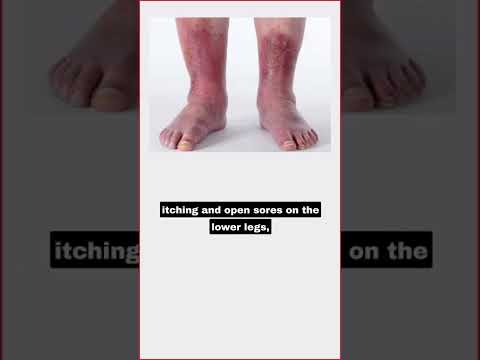
- Poor Circulation: Conditions like chronic venous insufficiency can cause blood pooling in the veins, resulting in discoloration.
- Pigmentation Disorders: Issues like melasma or post-inflammatory hyperpigmentation can also lead to dark areas appearing on the skin.
Simplifying It with Analogies
You know how a piece of fruit might develop brown spots if left out too long? Skin works somewhat similarly. Exposure to harmful elements or injury might lead to those dark marks—like bruises fading after some time but leaving a mark behind.
Potential Solutions for Managing Discoloration
- Sunscreen Use: Slathering on sunscreen is essential! It protects against further discoloration caused by sun exposure.
- Mild Exfoliation: An occasional gentle scrub or using products with alpha hydroxy acids (AHAs) might help promote even skin tone by removing dead cells.
- Moisturizing: Keeps your skin hydrated and healthy. Look for lotions containing ingredients like vitamin E or antioxidants that nourish the skin.
- Dermatologist Consultation: If you’re concerned about persistent spots, reaching out for professional advice is always a smart move. They may suggest other treatment options based on your needs.
Myths Around Skin Discoloration
A common myth is that dark spots are mostly just an aging thing. Sure, age plays a role; however, many other factors contribute too. It’s important to not fall for oversimplifications!
Navigating Uncertainty
If you notice sudden changes in your leg’s appearance, it’s natural to feel uneasy. Remember that while it’s good to be vigilant about any changes in health—staying calm helps in assessing situations better!
The key takeaway here: Knowledge is power when it comes to dealing with leg skin discoloration! Whether it’s prevention through sun protection or seeking advice from knowledgeable resources—stay informed and proactive about your health journey!
Understanding Dark Spots on Legs: Causes and Solutions
Dark spots on the legs can be puzzling, right? They can appear due to a variety of reasons, from benign factors to more serious conditions. Getting to the bottom of it is essential for effective management. Let’s break it down a bit.
One common cause is sun exposure. When skin is exposed to UV rays, it can produce excess melanin, leading to dark spots over time. Think about how skin gets tanned in summer; it’s similar but on a smaller scale within specific areas.
Another frequent culprit is post-inflammatory hyperpigmentation. This happens when the skin has been injured—like from cuts or insect bites—and darkens during the healing process. It’s like leaving a mark after an event that scars you emotionally.
Hormonal changes may also play a role, especially during pregnancy or menopause when melanin production can fluctuate. Sometimes it’s just your body’s way of reacting to different phases in life.
Then there’s diabetic dermopathy, which are small brown spots often found on people with diabetes. They’re usually harmless but serve as reminders of underlying health issues like blood sugar control.
If someone notices new dark spots that change rapidly or have irregular borders, it’s wise to consult with a healthcare professional—trust me, better safe than sorry!
Treatment options vary based on the cause. Sun protection is crucial for prevention; wearing sunscreen and protective clothing goes a long way. Over-the-counter products containing ingredients like hydroquinone or vitamin C can help lighten existing spots.
For more stubborn cases, dermatological treatments like chemical peels or laser therapy might be suggested by clinicians.
The takeaway? Being aware of your skin’s changes and understanding potential causes empowers you toward appropriate solutions. Always pay attention and don’t hesitate to seek advice if something feels off!