
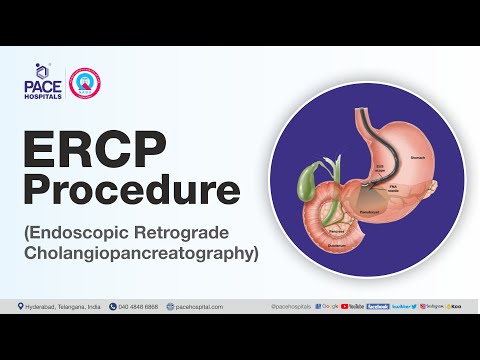
Digestive diseases can be puzzling. They often disrupt our daily lives and can cause discomfort, pain, or even serious health issues. One tool that helps doctors understand what’s happening inside your digestive system is called ERCP, or Endoscopic Retrograde Cholangiopancreatography. This may sound complicated, but think of it as a window into your body that allows healthcare providers to see and evaluate the bile ducts and pancreatic duct.
During an ERCP procedure, a thin tube with a camera is inserted through the mouth and into the digestive tract. This allows doctors to take pictures and gather information about blockages or abnormalities in the bile or pancreatic ducts. Imagine trying to find a leak in a plumbing system; ERCP helps identify where things might be going wrong.
However, it’s important to approach this subject with care. ERCP is not suitable for everyone, and interpretations of its results can vary among specialists. Always seek out information from multiple resources and consult different healthcare professionals before making decisions regarding testing or treatment.
Knowledge is power, especially when it comes to your health. So stay curious, ask questions, and ensure you have all the facts before jumping to conclusions about your digestive health!
The information provided in this article is intended solely for general informational and educational purposes. It does not constitute medical advice, diagnosis or professional treatment, and should not be considered a substitute for consultation with a qualified doctor or other licensed healthcare professional. Any health-related decisions should be made in consultation with accredited medical professionals.
While efforts have been made to ensure the information is accurate and up to date, no guarantees are given—either express or implied—regarding its accuracy, completeness, currency or suitability. Use of this information is at your own discretion.
It is strongly recommended to consult official sources such as the NHS (National Health Service) or other recognised medical institutions before acting on any information contained on this website or article. Under no circumstances should professional medical advice be ignored or delayed due to content read here.
This content is of a general and informational nature only. It is not intended to replace individualised guidance from a healthcare professional or to establish any doctor-patient relationship. The publication of this information does not imply any professional responsibility, guarantee or obligation on the part of the author or this site.
Unlocking the Secrets of Your Digestive Health
Digestive health is often overlooked, but it plays a crucial role in overall well-being. Our digestive system breaks down food, absorbs nutrients, and eliminates waste. When it’s not functioning well, we may experience discomfort or disease.
One way to investigate digestive issues is through a procedure called Endoscopic Retrograde Cholangiopancreatography (ERCP). This test helps doctors see inside the bile ducts and pancreas. It combines endoscopy and X-rays to take a closer look at these areas.
Why would someone need an ERCP? Here are some reasons:
The process involves the insertion of a thin tube with a camera through the mouth and into the small intestine. The doctor can then view images on a screen, looking for abnormalities.
What can ERCP reveal? This test can help identify conditions like pancreatitis, bile duct infections, or cancer. By understanding what’s happening inside our bodies, we can make informed choices about treatment options.
However, it’s important to know that ERCP is not without risks. Potential complications might include infections or pancreatitis itself due to the procedure. Always discuss these risks with your healthcare provider.
When preparing for an ERCP, patients typically fast for several hours prior to the test. This helps ensure clear images can be obtained during the procedure.
Your digestive health matters! Keeping track of symptoms like persistent abdominal pain, changes in bowel habits, or jaundice can guide discussions with your healthcare team.
Being proactive about your digestive health means you’re more likely to catch problems early. Remember that every body is different; what works for one person may not work for another.
Educating yourself about your digestive system empowers you to ask questions during medical visits and seek second opinions when necessary. Knowledge truly is key!
Exploring the Role of ERCP in Unraveling Pancreatitis Mysteries
Pancreatitis is an inflammation of the pancreas, and it can be quite complex. Understanding its causes is essential for effective treatment. One tool that helps in this understanding is a procedure called Endoscopic Retrograde Cholangiopancreatography, or ERCP.
What is ERCP?
ERCP is a specialized imaging technique. It combines endoscopy and X-ray to look at the bile ducts and pancreatic duct. Think of it like using a high-tech camera to explore hidden pathways in your body.
Why use ERCP for pancreatitis?
Sometimes, pancreatitis can be caused by blockages. These might be due to gallstones or strictures—narrowed areas in the ducts. ERCP allows doctors to visualize these blockages clearly.
Here are some key points about how ERCP helps:
While ERCP provides valuable information, it’s not without risks. Potential complications include infection or pancreatitis itself (which seems counterintuitive). Thus, it’s important for individuals considering this test to discuss both benefits and risks with their healthcare provider.
Picking up on nuances
ERCP isn’t always the first step for every case of pancreatitis. Doctors consider various factors like symptoms, medical history, and initial tests before recommending it.
Some myths surround this procedure too. For example, many believe all cases of pancreatitis require an ERCP right away—which isn’t true. Each situation must be assessed carefully.
In conclusion, while ERCP plays an important role in diagnosing and treating certain causes of pancreatitis, it’s just one part of a bigger puzzle. Understanding how digestive diseases interact requires looking at many factors altogether.
Always approach health decisions with care informed by conversations with trusted professionals who know your individual health context well. That way you can navigate through complex issues like pancreatitis more effectively!
Uncovering the Hidden Blockages: Understanding Organ-Specific Obstructions Through ERCP
Understanding how our organs function is key to maintaining good health. Sometimes, these organs experience blockages that can lead to serious issues. One way to identify these hidden obstructions is through a procedure called Endoscopic Retrograde Cholangiopancreatography, or ERCP.
ERCP is a specialized test that combines endoscopy and X-ray technology. It allows healthcare providers to examine the bile ducts and pancreatic ducts in detail. Think of it like using a tiny camera to look inside a house for blockages in the plumbing system.
When there’s a blockage in the bile duct, it can cause bile to back up, leading to symptoms like jaundice (yellowing of the skin), abdominal pain, or fever. These symptoms are your body’s way of alerting you that something is not quite right.
Why Choose ERCP?
ERCP offers several benefits in diagnosing digestive diseases:
Preparation for an ERCP usually involves fasting for several hours before the test. This helps ensure that your stomach is empty.
During the procedure, you’ll likely be sedated so you won’t feel discomfort. A thin tube with a camera is inserted through your mouth and into your digestive tract. Once in position, contrast dye is injected into the bile duct and then X-rays capture images.
It’s important to note that while ERCP is generally safe, no procedure is without risks. Some patients may experience complications such as pancreatitis or infections afterward.
If you’re experiencing unexplained digestive problems, discussing ERCP with your healthcare provider may be beneficial. They can provide guidance based on your individual health needs.
In conclusion, understanding organ-specific obstructions through procedures like ERCP plays an essential role in diagnosing and treating digestive diseases. Awareness of your body’s signals and timely investigation can make a significant difference in managing health effectively.
Understanding digestive diseases can be quite complex. One of the key tools used in this exploration is Endoscopic Retrograde Cholangiopancreatography, commonly known as ERCP. This procedure blends the use of endoscopy and X-ray to examine and treat issues related to the bile ducts, pancreas, and gallbladder.
ERCP serves multiple purposes. It can diagnose conditions such as bile duct obstructions, gallstones, or pancreatic disorders. During the procedure, a thin tube with a camera is inserted through the throat into the digestive tract. A contrast dye is then injected into the bile ducts, allowing for clear imaging.
A benefit of ERCP is its dual function: not only can it identify problems, but it can also be therapeutic. If a gallstone causing an obstruction is found during the procedure, it can often be removed right away.
However, like any medical intervention, ERCP comes with some risks. Complications can include pancreatitis or infections. Therefore, it’s essential for patients to discuss their health history thoroughly with healthcare providers before undergoing the test.
In conclusion, ERCP plays a vital role in understanding and treating digestive diseases. With its valuable insights and therapeutic capabilities, it helps guide effective treatment options while underscoring the necessity of informed decision-making in healthcare.


