The information provided in this article is intended solely for general informational and educational purposes. It does not constitute medical advice, diagnosis or professional treatment, and should not be considered a substitute for consultation with a qualified doctor or other licensed healthcare professional. Any health-related decisions should be made in consultation with accredited medical professionals.
While efforts have been made to ensure the information is accurate and up to date, no guarantees are given—either express or implied—regarding its accuracy, completeness, currency or suitability. Use of this information is at your own discretion.
It is strongly recommended to consult official sources such as the NHS (National Health Service) or other recognised medical institutions before acting on any information contained on this website or article. Under no circumstances should professional medical advice be ignored or delayed due to content read here.
This content is of a general and informational nature only. It is not intended to replace individualised guidance from a healthcare professional or to establish any doctor-patient relationship. The publication of this information does not imply any professional responsibility, guarantee or obligation on the part of the author or this site.
Have you ever dealt with itchy, red bumps on your skin that just wouldn’t go away? It can be frustrating and confusing when your skin seems to have a mind of its own. Believe it or not, there’s a condition called eosinophilic folliculitis that might be behind those annoying spots.
This skin issue involves inflammation around hair follicles and can lead to discomfort and irritation. You’re not alone if you’ve experienced this—but understanding it is the first step toward relief. The symptoms might feel overwhelming at times, but knowing what they are helps you take charge of your health.
In this article, we’ll break down the symptoms of eosinophilic folliculitis so you can recognize them quickly. More importantly, we’ll talk about some treatment options available, offering hope for managing the condition effectively.
Remember, though, this content isn’t a substitute for medical advice. It’s always essential to consult a healthcare professional before making any decisions regarding your health.
Unraveling the Distinct Causes and Symptoms of Two Common Skin Conditions
Understanding Eosinophilic Folliculitis
Eosinophilic folliculitis is a skin condition that can sound a bit complicated, but it really isn’t. Picture your skin as a cozy neighborhood of tiny houses, which in this case, are hair follicles. Sometimes, they get inflamed due to an overreaction of your immune system. This often results in redness and bumps.
The causes can vary. It’s most commonly seen in people with weakened immune systems, like those with HIV or undergoing chemotherapy. But guess what? It can also pop up randomly in healthy individuals. Stress? Certain medications? They might play a role too.
What Are the Symptoms?
Symptoms usually include itchy red bumps that look kinda like acne but aren’t quite the same. They can appear on the face, neck, and even the back—so annoying! Sometimes they might have a little pus on top. The itchiness is probably one of the most bothersome parts; it’s like having an incessant tickle that won’t go away.
Treatment Options
Hey, so if you think you have this condition or anything similar, it’s crucial to talk to someone who knows their stuff about skin health. Treatments often include topical steroids to help reduce inflammation and itchiness. Antihistamines might also be recommended; they can be really good at calming down that pesky itch!
For more severe cases or if things just don’t get better, doctors might consider other options like systemic medications that affect your immune system more broadly.
Diving Deeper: Distinguishing from Other Skin Conditions
When you’re dealing with skin issues it helps to know what else could be going on there. For instance, folliculitis (not eosinophilic) is linked typically to infections caused by bacteria or fungi. You know those annoying small pimples that pop up after shaving? That’s often good old-fashioned folliculitis!
Then there’s dermatitis—this is when skin gets irritated from something external like certain soaps or even stress!
Why It Matters
If you see red bumps on your skin and feel itchy all the time you might feel frustrated—and understandably so! Recognizing whether it’s eosinophilic folliculitis versus something else helps shape how you’ll handle it.
- Eosinophilic folliculitis= immune response issue
- Folliculitis= infection based
- Dermatitis= irritation from external factors
The bottom line is—listening to your body signals important information about what could be affecting you.
A Closing Thought
Your skin tells stories every single day; learning how to interpret them equips you better for handling any issues along the way! Each bump has its own tale to tell—so keep asking questions and stay informed!
Decoding Your Skin Condition: Spot the Differences Between Bacterial and Fungal Folliculitis
Understanding Folliculitis
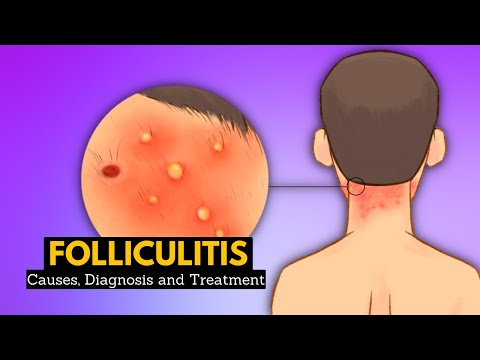
Folliculitis refers to the inflammation of hair follicles, which can be caused by different factors. You might notice small red bumps or pus-filled blisters on your skin, which can be uncomfortable. It’s common to wonder what exactly is behind these rashes, especially when they appear in similar ways.
Bacterial Folliculitis
Bacterial folliculitis is most often caused by bacteria called Staphylococcus aureus. This bacteria is usually found on our skin. Sometimes, it can invade hair follicles if there’s a break in the skin or if the follicles become blocked.
You might see clusters of red bumps that resemble acne. They could also be itchy or tender to touch. In some cases, they might even crust over and form scabs.
Fungal Folliculitis
On the other hand, fungal folliculitis is usually triggered by yeast-like fungi known as Malassezia. This type of fungus is naturally present on our skin but can cause issues if it grows too much.
The symptoms are similar—red bumps that may itch—but they can occur in groups and might feel a bit different from bacterial infections. Look for itchy areas that don’t seem to heal well or keep coming back, especially after antibiotic treatments.
Spotting the Differences
- Location: Bacterial cases often occur on parts of the body exposed to friction or sweat like the scalp or thighs, while fungal infections are common in warm, moist areas like underarms and groin.
- Pus Presence: Bacterial folliculitis might produce more pus than fungal varieties; pus-filled bumps are a key sign here.
- Treatment Response: Bacterial infections typically respond well to antibiotics. If symptoms persist after treatment with antibiotics—hey—consider the possibility of fungus instead!
Eosinophilic Folliculitis
This condition is a little different again; eosinophilic folliculitis primarily involves white blood cells called eosinophils accumulating in hair follicles—often seen in people with weakened immune systems or certain illnesses.
It’s characterized by intensely itchy red bumps that can appear anywhere on your body but are often found on the face and upper body.
Treatment Options
If you suspect you have any form of folliculitis, it’s key to talk with someone who understands these conditions better._ For bacterial types, topical antibiotics may be suggested while antifungal creams could be used for fungal issues.
In cases like eosinophilic folliculitis_, corticosteroids may help reduce inflammation and itchiness.
You know, sometimes it’s all about recognizing patterns in your symptoms rather than jumping to conclusions right away. Just keep an eye out for those differences!
Unlocking the Best Solutions for Effective Relief and Healing
Understanding Eosinophilic Folliculitis
Hey there! Let’s talk about something that might sound a bit complicated: eosinophilic folliculitis. It’s a skin condition that mainly affects hair follicles. But what exactly does that mean?
This condition is characterized by itchy, red bumps on the skin, often appearing on your back, chest, and face. You know when you have an annoying itch and you can’t help but scratch? That’s pretty similar to what someone with eosinophilic folliculitis experiences.
What Causes It?
The underlying cause isn’t always clear. Often, it can be triggered by certain conditions like HIV or other immune system issues. Immune cells called eosinophils (which are part of your body’s defense system) become elevated in this condition. So, think of it as your body sending too many soldiers to fight a battle that isn’t really happening.
Recognizing the Symptoms
- Itchy red bumps: These can sometimes look like acne or hives.
- Swelling around the bumps: This might make them more uncomfortable.
- Bumps that come and go: They might pop up for a while and then disappear.
If you spot these symptoms, it’s often wise to see someone who knows more about skin conditions for their opinion.
Treatment Options
You might be wondering how to deal with this pesky problem. Though there’s no one size fits all solution, treatments usually focus on reducing symptoms and managing triggers. Topical steroids can help reduce inflammation. These are creams or ointments applied directly where it’s itchy or irritated.
Sometimes oral medications are used too—these would involve taking pills prescribed by a healthcare provider if necessary. Antihistamines might be suggested for itching relief as they work to lessen allergic reactions in the body.
A Few Considerations
While you explore treatment options, keep in mind that finding out what works best for one person may not work for another—it’s kinda like trying different flavors of ice cream!
Certain lifestyle choices can also play a role in managing eosinophilic folliculitis.
For example, staying cool and avoiding hot showers may help since heat can flare up those annoying symptoms further.
The Bottom Line
Eosinophilic folliculitis isn’t super common but understanding its symptoms and treatment options is important if it affects you or someone you know. If you’re feeling concerned about any persistent skin issue, don’t hesitate to reach out to an appropriate healthcare provider—they’re there to help!
This info gives you a clearer picture without getting lost in medical jargon. Remember though—every person is unique! So what helps one person may not be right for another.
Understanding eosinophilic folliculitis can be quite enlightening, especially since it’s a condition that often confuses both patients and healthcare providers alike. This skin disorder is characterized by itchy, red bumps primarily on the face, neck, and upper body. It occurs due to an abnormal response of eosinophils—a type of white blood cell typically involved in allergic reactions.
The symptoms commonly include intensely itchy pustules or papules that may resemble acne. The condition often appears in people with immune system problems or those who are HIV positive but can also affect others without underlying health issues. It’s important to approach it with an understanding of the patient’s history and lifestyle factors.
Treatment options vary depending on the severity of the symptoms. Topical steroids and antihistamines can be helpful in reducing inflammation and itchiness. Sometimes, more potent treatments like oral corticosteroids or immunosuppressive medications are needed for severe cases.
Crucially, education about the condition is vital for patients—knowing what triggers outbreaks can help immensely. A tailored treatment plan involving regular follow-ups ensures better management of flare-ups.
In summary, recognizing eosinophilic folliculitis not just aids proper treatment but enhances overall patient quality of life. Open communication between patients and healthcare providers fosters understanding and effective management strategies.