The information provided in this article is intended solely for general informational and educational purposes. It does not constitute medical advice, diagnosis or professional treatment, and should not be considered a substitute for consultation with a qualified doctor or other licensed healthcare professional. Any health-related decisions should be made in consultation with accredited medical professionals.
While efforts have been made to ensure the information is accurate and up to date, no guarantees are given—either express or implied—regarding its accuracy, completeness, currency or suitability. Use of this information is at your own discretion.
It is strongly recommended to consult official sources such as the NHS (National Health Service) or other recognised medical institutions before acting on any information contained on this website or article. Under no circumstances should professional medical advice be ignored or delayed due to content read here.
This content is of a general and informational nature only. It is not intended to replace individualised guidance from a healthcare professional or to establish any doctor-patient relationship. The publication of this information does not imply any professional responsibility, guarantee or obligation on the part of the author or this site.
Understanding Fatty Liver: Causes, Symptoms, and Diagnosis
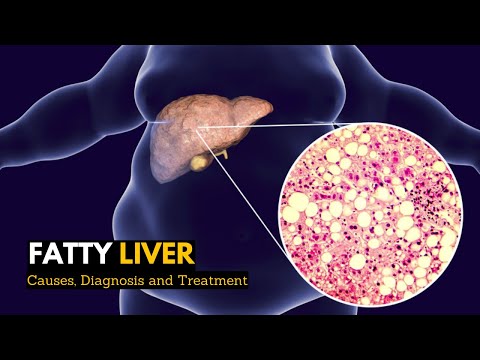
Hey, have you ever thought about what’s happening inside your liver? A lot of us don’t really think about this vital organ until something goes wrong. But did you know that fatty liver disease is becoming more common? It’s surprising how many people are affected without even realizing it.
Fatty liver occurs when too much fat builds up in your liver cells. You might not notice any symptoms at first, which makes it easy to overlook. But if left untreated, it can lead to serious health issues.
This article will help you understand what causes fatty liver, the signs to watch out for, and how doctors diagnose it. It’s important because early detection can make a big difference in treatment options.
Now, just a heads up—this content isn’t a substitute for professional medical advice. If you’re concerned about your health or think you may have fatty liver disease, talking to a healthcare professional is always the best route. Your wellbeing matters!
Understanding the Hidden Signs of Fatty Liver in Women
So, let’s talk about fatty liver. It’s not just a condition for men; women can be affected too. Fatty liver happens when too much fat builds up in the liver cells. In many cases, there aren’t any clear symptoms at first, which can make it tricky.
What Causes Fatty Liver?
You know, fatty liver is often linked to lifestyle factors. Things like obesity, poor diet, and inactivity play a huge role. Alcohol consumption can also contribute to alcoholic fatty liver disease as you might guess.
Sometimes it’s tied to conditions like diabetes and high cholesterol. Hormonal changes during menopause might also increase risk in women. It’s just one of those things that sneaks up on you.
Common Signs to Look For
Unlike some other health issues, fatty liver doesn’t always come with loud warning signs. Many women may not notice anything significant for years! But there are subtle clues worth being aware of.
- Tiredness or fatigue isn’t uncommon.
- You might have unexplained weight gain—especially around the abdomen.
- Occasional discomfort or fullness in the upper right side of your belly could happen, too.
- Slight mood swings or irritability—the mental effects can surprise you!
If you’ve been feeling off but can’t pinpoint why, it could be worth discussing with someone who knows this stuff better than I do.
The Importance of Getting Checked
This is where things get crucial—diagnosing fatty liver often requires blood tests or imaging studies like an ultrasound. They help visualize the fat deposits in your liver and determine how serious it is.
If there’s suspicion of damage to the liver function from all that fat, more tests may be needed to assess that too.
Managing Fatty Liver
You know what? If diagnosed early enough, your doctor might suggest changes that could help manage the situation. This may include eating a healthier diet and increasing physical activity levels—simple steps really! And yes, sometimes medication comes into play if needed.
- Cutting back on sugars and refined carbs can make a difference over time.
- Regular exercise—even just walking—can boost overall health!
A Word About Awareness
The thing is we should all stay aware of our bodies and any shifts we notice over time. Even if you consider yourself healthy now, it’s good practice to keep an eye out for hidden signs like these as life goes on.
If you’re uncertain about anything going on inside your body—not just fatty liver—a chat with someone qualified is definitely a step worth taking!
This awareness isn’t about inducing fear; it’s about empowerment. Recognizing these hidden signs gives us a better chance at leading healthier lives because prevention can really go a long way!
Understanding the Impact of Fatty Liver Disease on Longevity and Health
Understanding Fatty Liver Disease
Fatty liver disease, sometimes called hepatic steatosis, happens when fat builds up in the liver. It’s like your liver is getting a bit overloaded. Usually, the liver breaks down fats for energy, but if there’s too much fat, it can cause problems.
What Causes Fatty Liver Disease?
There are two main types of fatty liver disease: alcoholic and non-alcoholic. Alcoholic fatty liver is linked to heavy drinking. On the other hand, non-alcoholic fatty liver disease (NAFLD) can happen to anyone, even if they don’t drink much alcohol.
The causes of NAFLD often include obesity, insulin resistance (this means your body can’t use sugar properly), high cholesterol or triglycerides levels, and certain medications. Sometimes it’s just genetic factors too! Imagine your genes as a set of instructions that tell your body how to function – some people have instructions that make them more prone to this condition.
What Are the Symptoms?
The tricky thing about fatty liver disease is that many people don’t feel sick at first. Some might experience fatigue or mild discomfort in the upper right abdomen. In more serious cases, which can evolve into something called Non-Alcoholic Steatohepatitis (NASH), symptoms like jaundice (yellowing of skin) or swelling in the legs can occur.
How Is It Diagnosed?
If you’re worried about this condition, doctors usually start with a physical exam and may ask some questions about your health history. Blood tests can measure liver enzymes which indicate how well your liver is working.
Sometimes imaging tests like ultrasound or CT scans are used to see if there’s extra fat in the liver. A biopsy—taking a small tissue sample—might be suggested in serious cases to rule out any other issues.
The Impact on Longevity and Health
You might wonder how having fatty liver affects overall health and longevity (that’s just a fancy way of saying lifespan). Well, research shows that people with untreated fatty liver may face an increased risk of developing serious conditions like cirrhosis (severe scarring of the liver), heart disease or diabetes over time.
Cirrhosis can make it tough for your body to function well; imagine your body as a car engine—a faulty engine won’t run smoothly! Plus, chronic diseases can lead to complications that shorten life expectancy.
Can You Manage Fatty Liver Disease?
The good news? Many people with fatty liver disease can manage their symptoms through lifestyle changes. Eating healthier foods and exercising regularly helps reduce fat in the liver and improve overall health. Think about it: losing just a small percentage of weight can make a big difference!
This doesn’t mean every single person will have an easy time reversing their condition—it really varies from person to person.
Mental Health Considerations
A diagnosis might bring up feelings of anxiety or worry about future health—this is completely normal! Reaching out for support from friends and family or talking with a counselor could help you cope better with these feelings.
Wrapping Up
Your health is important; understanding conditions like fatty liver disease could pave way for better choices down the line! Keep an open dialogue with healthcare providers—they’re great resources for ongoing information tailored just for you!
Understanding the Subtle Signs of a Common Condition
Understanding Fatty Liver: Causes, Symptoms, and Diagnosis
Fatty liver disease is a condition that’s becoming pretty common. It happens when fat builds up in your liver cells. Now, the liver is super important because it helps digest food, remove toxins, and store energy. But when too much fat accumulates, it can lead to issues.
Causes of Fatty Liver
There are different reasons why someone might develop fatty liver. One of the most common causes is obesity. When people are overweight, their body tends to store more fat. Additionally, an unhealthy diet high in sugars and saturated fats can contribute too.
Alcohol consumption is another factor. Drinking a lot can damage the liver over time and lead to fatty deposits. But there’s more—people with diabetes or high cholesterol also have a higher risk.
Recognizing Symptoms
Now, here’s the tricky part: many people with fatty liver don’t notice symptoms at first. Sometimes they might feel tired or experience mild discomfort on the right side of their abdomen where the liver is located.
If things progress without attention, you might notice symptoms like jaundice (that yellowing of the skin and eyes), swelling in your legs or abdomen (due to fluid buildup), or even unintended weight loss.
Getting Diagnosed
If you suspect you might have fatty liver—or if it runs in your family—the typical route involves a visit to a healthcare provider. They usually start with some questions about lifestyle and health history.
- A physical exam may reveal signs like an enlarged liver.
- Blood tests help check for enzyme levels that could indicate liver stress or damage.
- Imaging tests such as ultrasounds or CT scans can show fat buildup more clearly.
The diagnosis often comes down to piecing together this information rather than relying on one single test alone—kind of like being a detective!
Taking Action
If diagnosed with fatty liver disease, there are steps you can take to manage it better. Lifestyle changes often play a big part—like eating healthier foods and getting regular exercise.
This not only helps reduce fat in the liver but may also improve overall health significantly. Sometimes medications may be considered based on individual needs as well—just keep an open dialogue with your healthcare provider about what feels right for you.
The bottom line? Fatty liver disease is common but manageable if caught early enough! Staying aware of those subtle signs ensures that we don’t overlook something crucial happening within our bodies.
Understanding Fatty Liver: Causes, Symptoms, and Diagnosis
Fatty liver disease is an increasingly common condition that often flies under the radar. Many people don’t realize they have it until they undergo routine tests. Essentially, it’s when excess fat builds up in the liver cells. This can lead to inflammation, liver damage, and even cirrhosis—so awareness is crucial.
Causes
The causes of fatty liver can be pretty varied. In many cases, it’s linked to obesity and insulin resistance—a key player in Type 2 diabetes. Think of your liver as a filter; when it gets overwhelmed by excess sugars and fats due to poor diet or lack of exercise, it starts storing those extra bits instead of processing them.
Alcohol consumption is another significant factor. Alcoholic fatty liver disease happens when the liver struggles to process too much alcohol over time. So keeping an eye on both diet and drinking habits is essential for preventing this issue.
Symptoms
The tricky thing about fatty liver is that many people may not experience noticeable symptoms until the condition worsens. Some might feel tired or have discomfort in their upper right abdomen—where the liver sits—but these signs can be mistaken for everyday stress or fatigue.
A more advanced stage might present with jaundice— where your skin or eyes turn yellow—or swelling in the abdomen due to fluid buildup. All are signs that should prompt a visit to a healthcare professional.
Diagnosis
Diagnosing fatty liver usually involves blood tests and imaging studies like ultrasounds or MRIs. These help spot fat accumulation without needing invasive procedures like a biopsy initially, which can be daunting for patients.
Sometimes, doctors will look at your medical history and lifestyle factors as well because understanding how you got there can inform treatment options moving forward.
Final Thoughts
I think it’s clear that awareness of fatty liver is essential for prevention and care. Encouraging healthy lifestyle choices through diet and exercise can go a long way in tackling this silent but serious condition before it escalates into something worse.