The information provided in this article is intended solely for general informational and educational purposes. It does not constitute medical advice, diagnosis or professional treatment, and should not be considered a substitute for consultation with a qualified doctor or other licensed healthcare professional. Any health-related decisions should be made in consultation with accredited medical professionals.
While efforts have been made to ensure the information is accurate and up to date, no guarantees are given—either express or implied—regarding its accuracy, completeness, currency or suitability. Use of this information is at your own discretion.
It is strongly recommended to consult official sources such as the NHS (National Health Service) or other recognised medical institutions before acting on any information contained on this website or article. Under no circumstances should professional medical advice be ignored or delayed due to content read here.
This content is of a general and informational nature only. It is not intended to replace individualised guidance from a healthcare professional or to establish any doctor-patient relationship. The publication of this information does not imply any professional responsibility, guarantee or obligation on the part of the author or this site.
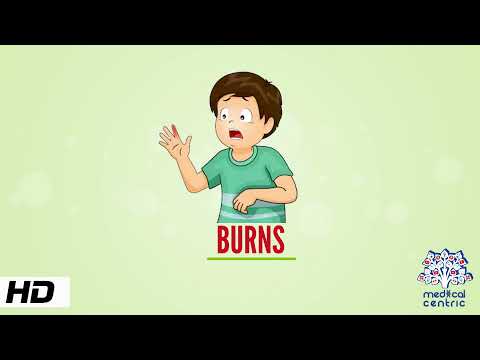
Have you ever accidentally touched a hot stove or spilled boiling water on your skin? Ouch! Those moments can be pretty painful, and sometimes, they leave us with burns that need caring for.
Today, we’re diving into first-degree burns. These are the mildest type of burn but still deserve our attention. You know, it’s surprising how common they are. Whether from sun exposure or kitchen mishaps, first-degree burns can happen to anyone.
In this article, we’ll break down what causes them, how to recognize the symptoms, and most importantly, how to care for your skin afterward. It’s all about understanding your body and healing it properly.
This isn’t a substitute for medical advice; always consult a healthcare professional when dealing with injuries. But knowing how to handle minor burns can make a big difference in your comfort level and recovery time.
So let’s get started! Understanding first-degree burns is the first step toward taking control of your health and well-being.
Understanding the Pain and Healing Process Behind Skin Damage
Understanding First Degree Burns
First degree burns are the mildest form of skin damage. They affect just the outer layer of skin, called the epidermis. Think about how your skin might get red and a little swollen after a sunburn—this is basically what happens with first degree burns.
The most common causes are sun exposure, brief contact with hot surfaces, or even scalding from hot liquids. You know, those moments when you accidentally touch a pot that’s been on the stove for too long? Ouch!
Symptoms to Look Out For
When you have a first degree burn, there are a few signs to watch for:
- Redness in the affected area.
- A sensation of warmth or heat.
- Pain that can feel prickly.
- Peeeling or flaking skin as it heals over time.
This kind of burn generally doesn’t blister. Instead, it might feel like it’s sunburnt—tingling and sensitive to touch.
The Healing Process
Your body is pretty smart when it comes to healing. With first-degree burns, the pain usually subsides within a few days. Skin starts peeling and healing follows as new cells form beneath. This is all part of your body doing its thing—kind of like nature’s repair crew!
You might notice that over time, the redness fades away as new skin emerges underneath. This process typically takes about three to six days to heal completely.
Caring for First Degree Burns
Taking care of these burns is key to comfort and healing! Here are some basic steps you can take:
- Cool down the area with cool (not cold) water for around 10-15 minutes.
- Apply a gentle moisturizer or aloe vera gel—this will help soothe your skin.
- Avoid popping any blisters if they appear; this increases risk for infection!
- If it’s really painful, over-the-counter pain relievers may help ease discomfort.
It’s important really to listen to your body here. If you notice signs of infection like increased redness, swelling, or pus—then it might be time to seek out advice from someone who knows more about these things!
Myths About Burns
A common myth? Some people think covering burns with butter or oil helps heal them faster! Actually, this can trap heat in and worsen damage instead. It’s always best sticking with cooling methods and gentle care.
Remember that while most first degree burns heal easily at home, if something doesn’t seem right, reaching out for professional input is smart! Your health matters after all—and it’s always better to check than stress about what might happen next.
Quick and Effective Ways to Soothe Your Skin
Understanding First Degree Burns
First degree burns are the mildest type of burn. They affect just the outer layer of your skin, known as the epidermis. Think of it like a gentle sunburn that causes redness and discomfort. You know when you forget to put on sunscreen? That’s often a classic example.
Causes
The main cause of first degree burns is heat, but it can also come from sources like sun exposure, hot liquids, or even certain chemicals. Imagine spilling a cup of coffee on your hand—it can hurt and turn red pretty quickly.
Symptoms
- Redness: The skin appears bright red.
- Pain: You might feel pain in the area that’s burned.
- Dryness: The skin could be dry and sensitive to touch.
- No blisters: Unlike more severe burns, first degree burns usually don’t form blisters.
Caring for First Degree Burns
If you find yourself with a first degree burn, there are some simple things you can do for relief. One easy way is to run cool (not cold!) water over the burn for about ten minutes. It helps reduce heat and eases discomfort. A soothing aloe vera gel can be great too; it’s like giving your skin a tall glass of water!
You may also consider applying over-the-counter creams that contain ingredients meant to calm the skin. Just remember to read labels and make sure you’re not allergic to any ingredient—it’s always best to check!
Avoiding Further Irritation
You want to keep the area clean and avoid tight clothing that could rub against it. It’s like wearing comfy clothes after a long day; comfort is key! If you’re outside, protecting it from direct sunlight is important—wear loose clothing or use bandages if needed.
When to Seek Help
If things don’t improve in a few days or if you notice signs of infection—like increased swelling or pus—then it’s worth consulting someone who knows better about these things.
Listening to your body is essential!
Taking care of first degree burns isn’t about quick fixes but rather understanding how your body heals naturally while offering it some support along the way.
Understanding the Depths of Pain and Healing
Understanding First Degree Burns
Pain is a complicated topic, and first-degree burns are a classic example of that. These burns only affect the outer layer of skin, called the epidermis. They can be painful, but they generally heal pretty quickly.
So, how do these burns happen? Picture the sun on a hot summer day. If you’re outside too long without protection, your skin can get red and sore. That’s basically what a first-degree burn is—your skin reacting to heat or UV light.
Causes of First Degree Burns
- Sunburn from overexposure to sunlight.
- Contact with hot surfaces like stovetops or irons.
- Scalding from hot liquids.
The symptoms of first-degree burns are usually pretty easy to recognize. You might notice redness, swelling, and tenderness in the affected area. Sometimes it may even feel warm to touch. Imagine you touched something too hot: that immediate sting you feel is your body’s way of saying “Hey! Watch out!”
Caring for First Degree Burns
Taking care of a first-degree burn isn’t very complicated. The key is to cool it down right away. Run cool water over the burn for about 10–15 minutes. This helps soothe the pain and reduce swelling.
You can also use lotions that have aloe vera or other soothing ingredients. They may help provide relief from discomfort; however, avoid using butter or oils as they can worsen the burn.
If you’re experiencing significant pain, over-the-counter pain relievers like ibuprofen or acetaminophen might help manage it—just follow the instructions on the label!
When to Seek Further Care
Most first-degree burns heal on their own within three to six days without much fuss. But if you notice blisters forming or if it’s not improving after a week, reach out for more help. It’s better to be safe than sorry!
A Closer Look at Healing
The healing process is fascinating! The body works hard during this time to repair damaged skin cells and restore your skin’s natural barrier function. Good nutrition plays a part in healing too; foods rich in vitamins A and C help support recovery by providing essential nutrients.
A lot of people worry about scarring when they get burned, but with first-degree burns, scarring is rare because only the top layer of skin is involved. You could say it’s like getting a scratch rather than cutting deep into your flesh!
Mental Impact
The experience of pain—like what comes with burning—can also influence emotional well-being during recovery. Many people find comfort talking about their experience with others who understand what they’re going through; sharing stories can lessen stress.
- This way you’ll realize you’re not alone in quite an uncomfortable moment!
- Taking time for self-care goes beyond just physical needs; mental well-being matters too.
Pain and healing are interconnected processes that teach us resilience! Understanding how minor injuries like first-degree burns affect us physically and emotionally can make navigating these experiences much easier.
Understanding First Degree Burns: Causes, Symptoms, and Care
First-degree burns are the mildest type of skin injury. They affect only the outer layer of skin, called the epidermis. You know those times you accidentally touch a hot surface? That’s typically where first-degree burns come from.
Common causes include sunburns, brief contact with hot objects, or even scalding liquids. The skin becomes red and painful; sometimes it peels. Interestingly, while they hurt quite a bit, they usually heal within a week without scarring.
Symptoms
The main symptoms of a first-degree burn are redness, tenderness to touch, and swelling. It’s pretty much like when you get sunburned after forgetting sunscreen at the beach. The skin feels warm and looks shiny as well.
Care
Taking care of a first-degree burn is straightforward. Start by cooling the area with running cold water for about 10-15 minutes—you know that feeling when you stick your hand under cold water? It helps reduce pain and inflammation.
After cooling it down, pat it dry gently. Applying a lotion or cream can keep the area moist; aloe vera works wonders here! Just avoid any creams that have fragrances or irritants.
If the pain persists or blisters form—although rare for first degrees—it’s wise to consult with a healthcare professional just to be safe.
So remember: while first-degree burns are usually minor injuries, taking immediate steps in care is crucial for quick healing!