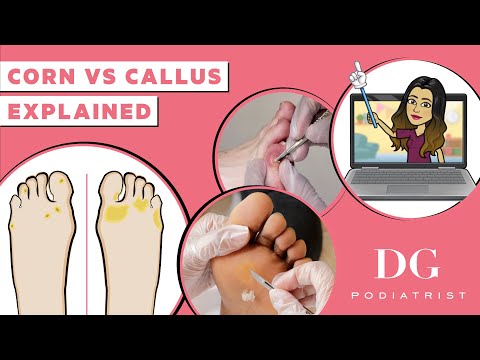
Are your feet trying to tell you something? If you’ve noticed small, hardened patches on your toes or the soles of your feet, you might be dealing with foot corns. These little nuisances can cause discomfort and affect how you walk, but understanding their symptoms and causes can empower you to manage them effectively.
Foot corns are your body’s way of reacting to pressure or friction. They form as a protective response to areas on your feet that experience repeated stress from ill-fitting shoes or abnormal walking patterns. Think of them as tiny calluses that signal you something’s amiss down there!
However, while foot corns may seem minor, they can lead to more significant issues if left untreated. It’s important to understand what they are and what causes them so that you can address the root problems.
Warning: While this guide aims to provide helpful information about foot corns, it’s essential to consult various specialists such as podiatrists or orthopedic specialists for tailored advice. Always seek reliable sources and diverse media for comprehensive understanding. Your feet deserve the best care possible!
The information provided in this article is intended solely for general informational and educational purposes. It does not constitute medical advice, diagnosis or professional treatment, and should not be considered a substitute for consultation with a qualified doctor or other licensed healthcare professional. Any health-related decisions should be made in consultation with accredited medical professionals.
While efforts have been made to ensure the information is accurate and up to date, no guarantees are given—either express or implied—regarding its accuracy, completeness, currency or suitability. Use of this information is at your own discretion.
It is strongly recommended to consult official sources such as the NHS (National Health Service) or other recognised medical institutions before acting on any information contained on this website or article. Under no circumstances should professional medical advice be ignored or delayed due to content read here.
This content is of a general and informational nature only. It is not intended to replace individualised guidance from a healthcare professional or to establish any doctor-patient relationship. The publication of this information does not imply any professional responsibility, guarantee or obligation on the part of the author or this site.
Uncovering the Surprising Factors Behind Foot Corns
Foot corns are common yet often misunderstood. Many people think they are just a cosmetic issue, but they tell us something important about our feet and overall health. Let’s explore the underlying factors that lead to these painful patches of skin.
Corns develop when there is too much pressure or friction on the skin. Imagine a callus, which is a thickened area of skin that forms in response to irritation. Corns are similar but usually have a hard center that can be quite painful.
Footwear is one of the biggest culprits. Shoes that are too tight or have high heels can create excessive pressure on certain areas of your foot. This is especially true for shoes that don’t provide proper support or cushioning.
Another factor is the way we walk or stand. Our unique gait can lead to uneven distribution of weight, which may cause corns in specific areas. Think of it like wearing down one side of your shoe faster than the other.
Certain foot shapes also play a role in corn formation. For example, people with bunions or hammertoes may find they develop corns more frequently. These conditions change how pressure is applied on different parts of the foot.
Age can also be a factor. As we get older, our skin becomes thinner and less able to tolerate pressure and friction. This may lead to increased susceptibility to corns as we age.
People who engage in regular activities such as running or dancing may experience corns too. Contact sports or even standing for long periods without proper footwear can contribute to their development.
It’s important to consider skin conditions as well. Conditions like psoriasis can cause additional sensitivities that might make someone more prone to developing corns.
If you’re dealing with foot corns, it’s helpful to assess your footwear and daily activities first. Simple changes like wearing properly fitted shoes can make a big difference.
Also remember not all foot pain means you need immediate medical attention, but persistent issues should prompt you to seek guidance from an appropriate source for better insights into care.
Being informed helps you make choices about your health and foot care. Understanding what causes corns puts you one step ahead in managing them effectively!
Uncover the Hidden Causes Behind Foot Corns
Foot corns are small, thickened areas of skin that usually develop on the toes or the soles of your feet. They can be uncomfortable and even painful at times. Understanding their hidden causes can help you take steps to prevent them.
The primary cause of foot corns is friction. Think of it like a callus on your hand from writing too much. When your feet rub against shoes or other surfaces, the skin responds by thickening to protect itself.
Improper footwear is a significant contributor to this issue. Shoes that are too tight, too loose, or lack proper support can create an environment where corns thrive. It’s similar to wearing a pair of gloves that fit poorly—they can cause blisters and irritation.
Another hidden cause is foot deformities like bunions or hammertoes. These conditions change the shape of the foot and lead to abnormal pressure points when walking. Over time, that pressure can lead to the development of corns.
Activity level also plays a role. People who spend long hours on their feet—like athletes or those in certain jobs—are more prone to developing corns due to increased friction and pressure.
Additionally, not all foot shapes are created equal. Some people may have wider feet or high arches that create unique pressure points, leading them down the path toward foot corns.
Factors like dry skin also contribute because when skin lacks moisture, it’s more likely to harden and form corns in response to friction.
To manage existing corns, gentle exfoliation might help soften hardened areas and reduce discomfort. You may also consider using protective pads designed for corn relief.
Remember that while these tips are useful for understanding and managing foot corns, they aren’t a substitute for professional advice if your condition worsens or doesn’t improve.
By being aware of what contributes to foot corns, you can make better choices about footwear and activities—ultimately keeping your feet healthier and happier!
Uncovering Surprising Lookalikes in the World of Plants
When we think about plants, it is fascinating to note how some have surprising lookalikes. In the world of botany, similarities can be striking. Understanding these plant relationships can illuminate not just their appearances but also their uses and dangers.
For instance, consider the difference between poison ivy and its harmless cousins like poison oak or sumac. They all belong to the same family but can cause different reactions on human skin. Knowing how to spot these plants accurately can help you avoid discomfort.
Another great example is the flower known as “lily of the valley.” This lovely plant has bell-shaped blooms but is highly toxic if ingested. On the other hand, its relative, the edible asparagus fern, offers nutritious spears for your table.
Here are some key lookalikes:
Being acquainted with these lookalikes encourages caution in nature exploration. Not just in terms of toxicity but also understanding their ecological roles.
Misidentifying a plant can lead to serious health issues or missed opportunities for beneficial uses. Always cross-check with reliable sources if you’re uncertain about a plant’s identity.
While it’s easy to admire plants from afar, knowing which ones you’re dealing with is vital for safe interactions with them. Just like health matters require informed decisions, so does working with nature’s bounty!
So if you’re venturing out into green spaces or trying your hand at gardening, keep an eye on those lookalikes! The world of plants is full of surprises, and a little knowledge goes a long way in enjoying it safely.
Understanding foot corns is crucial for maintaining foot health. Corns are thickened areas of skin that form in response to pressure or friction, often on the tops and sides of toes.
Symptoms include localized pain, tenderness, and a hardened area on the skin. While they may seem minor, ignoring corns can lead to more serious issues like infections or difficulty walking.
Causes typically stem from ill-fitting shoes or abnormal foot mechanics. When shoes are too tight or have high heels, they create constant pressure on certain areas of the feet. This is similar to how a pebble in your shoe can lead to discomfort over time.
To prevent corns, wearing appropriately fitting shoes is key. Opt for footwear that offers enough room and support for your toes. Regular foot care and addressing any foot abnormalities early can greatly reduce the risk as well.
Education on this topic encourages individuals to take proactive steps in foot care, leading to healthier choices and improved overall well-being. Recognizing symptoms early can help avoid unnecessary pain and complications down the road.