The information provided in this article is intended solely for general informational and educational purposes. It does not constitute medical advice, diagnosis or professional treatment, and should not be considered a substitute for consultation with a qualified doctor or other licensed healthcare professional. Any health-related decisions should be made in consultation with accredited medical professionals.
While efforts have been made to ensure the information is accurate and up to date, no guarantees are given—either express or implied—regarding its accuracy, completeness, currency or suitability. Use of this information is at your own discretion.
It is strongly recommended to consult official sources such as the NHS (National Health Service) or other recognised medical institutions before acting on any information contained on this website or article. Under no circumstances should professional medical advice be ignored or delayed due to content read here.
This content is of a general and informational nature only. It is not intended to replace individualised guidance from a healthcare professional or to establish any doctor-patient relationship. The publication of this information does not imply any professional responsibility, guarantee or obligation on the part of the author or this site.
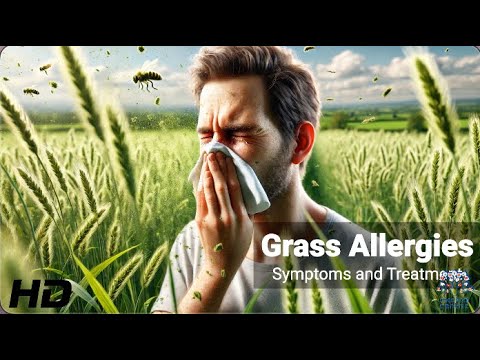
Ever found yourself sneezing uncontrollably while walking through a park? It’s not just a coincidence; it might be grass allergies at play. These reactions can catch you off guard, right? You think you’re enjoying a lovely day outdoors, then boom—your nose starts running like there’s no tomorrow.
Grass allergies are more common than you’d think. In fact, they affect millions of people every year, causing discomfort and frustration. The thing is, understanding what triggers these allergies can make a huge difference in your daily life. You can enjoy the great outdoors again without worrying about the sniffles.
This article will dive into the symptoms of grass allergies and explore effective treatments that could ease your suffering. We’ll tackle everything from itchy eyes to that annoying post-nasal drip caused by grass pollen. Remember, while this information is here to help you understand your experiences better, it doesn’t replace professional medical advice. Always consult a healthcare professional for personalized guidance.
Your well-being matters, and arming yourself with the right knowledge is the first step towards relief!
Discover the Peak Season for Allergy Relief Secrets
Understanding Grass Allergies
Grass allergies, sometimes called hay fever or allergic rhinitis, can be quite bothersome. They happen when your immune system overreacts to pollen from grasses. You know, just like how some people sneeze around cats or dust. It’s all about how your body reacts.
Common Symptoms
People with grass allergies often experience a range of symptoms. These can include:
- Sneezing
- Nasal congestion
- Runny nose
- Itchy eyes, nose, or throat
- Coughing or wheezing in severe cases
Symptoms can start as early as spring and last well into summer. If the weather’s warm and breezy, more pollen gets stirred up. So you might notice you’re feeling worse on those days.
The Peak Season for Grass Pollen
You might be wondering when all of this pollen is floating around. In general, grass pollen levels peak in late spring and early summer—think late May through July in most areas. This is the time to keep an eye on local pollen forecasts if you’re sensitive.
Effective Treatments and Management Strategies
Treatments vary widely depending on severity and personal preference. Some folks swear by over-the-counter antihistamines—these are medications that help block the allergic response your body has.
Nasal sprays can also provide relief by reducing inflammation directly where it hurts the most—in your nasal passages. Then there’s allergy shots, a long-term solution for some people that helps desensitize their immune system to allergens.
Lifestyle Adjustments Can Help Too!
A few simple lifestyle changes can also make a big difference. For example, keeping windows closed during peak pollen times is one way to limit exposure at home. You could even shower after being outdoors to wash off any lingering pollen that clung to your skin or hair.
If there’s one thing to remember, it’s that understanding what triggers your allergies is key! Keeping track of symptoms along with weather patterns can really help manage them better.
Myths To Avoid
Not everything you hear about allergies is accurate! Some people believe switching locations will automatically solve their problems—this isn’t always true since many regions have similar grass types and pollen levels.
Additionally, some think they’ll outgrow grass allergies eventually; while that’s possible for some individuals it’s not guaranteed for everyone.
Final Thoughts About Grass Allergies
You see? Dealing with grass allergies involves understanding how they work—your body’s responses—and exploring coping strategies that fit your lifestyle best! Remember too: consult professionals if you’re unsure about what’s right for you.
Navigating Your Plate: Safe Eating for Grass Allergy Sufferers
If you have a grass allergy, it can really throw a wrench in your daily life, especially when it comes to eating. Grass allergies often trigger symptoms like sneezing, runny nose, or even itchy eyes. It’s all due to the pollen released by grasses. But what about food? Can what you put on your plate make things worse? Let’s break this down.
Understanding Cross-Reactivity
Here’s the thing: some people with grass allergies might react to certain foods too. This is called cross-reactivity. Essentially, your immune system confuses proteins in these foods with pollen proteins from grass.
Foods like celery, melons, and certain nuts can cause reactions. For example, if you’re sensitive to timothy grass, you might notice issues with cantaloupe or watermelon.
Identifying Safe Foods
So what can you eat? Focusing on whole foods is often a good idea. Think about fresh vegetables like carrots or spinach—most of these won’t trigger your allergy.
- Fruits: Apples and bananas are usually safe bets.
- Grains: Rice and quinoa generally don’t contain the proteins that cause issues.
- Dairy: Milk and yogurt are typically fine unless other allergies are present.
Avoiding Processed Foods
Sometimes processed foods come packed with additives that could spark allergic reactions. Always check labels for ingredients—things like flavorings or stabilizers may include proteins from grasses or related plants.
If you’re ever unsure about a specific ingredient, it may help to research or consult sources that focus on allergy-friendly eating.
The Importance of Preparation
How your food is prepared matters too! When grilling vegetables or frying any dish, using shared utensils with allergenic ingredients could lead to cross-contamination. It’s best to use clean tools when cooking if you’re preparing meals for someone with grass allergies alongside others without them.
Listening to Your Body
Your body knows best! If you try something new and feel off afterward, pay attention. Sometimes reactions aren’t immediate but can show up later—like feeling itchy hours after eating a particular food.
Consulting Professionals
If you’re struggling with what to eat safely and want more tailored advice consider consulting an allergist or nutritionist who specializes in food allergies. They can guide dietary choices based on your specific sensitivities and lifestyle needs without overwhelming you!
Your Journey Ahead
Navigating meals while managing a grass allergy doesn’t have to be daunting. With awareness about cross-reactive foods and safe preparation methods, many find they can still enjoy delicious meals without worry!
This journey is personal—you’ll discover which foods work for you as time goes by. Just remember that caution breeds comfort when it comes to enjoying every bite!
Find Relief from Sneezes and Itchy Eyes with the Right Allergy Solution
Understanding Grass Allergies
Grass allergies, often called hay fever or allergic rhinitis, occur when your immune system reacts to grass pollen. When spring arrives and grasses start to bloom, many people find themselves sneezing, dealing with itchy eyes, and having a runny nose.
Symptoms to Watch For
Grass allergy symptoms can vary. You might notice sneezing fits when going outdoors. Itchy or watery eyes are super common too. Some folks even experience a stuffy nose or postnasal drip, which is just mucus running down the back of your throat.
- Sneezing
- Itchy eyes or nose
- Runny or stuffy nose
- Coughing
The symptoms tend to kick in when grass pollen levels are high. You know those days when the air feels full of dust? That’s likely because the pollen count is up.
Treatments That May Help
Finding relief is key! Many people turn to over-the-counter antihistamines like loratadine or cetirizine. These medications help block histamines—those pesky chemicals that cause allergy symptoms.
Nasal corticosteroids can also be a good option. They are sprays that reduce inflammation in the nasal passages and help ease congestion and itchiness.
- Antihistamines (e.g., loratadine)
- Nasal corticosteroids (e.g., fluticasone)
- Decongestants for temporary relief
Lifestyle Changes and Home Remedies
A few simple changes around the house can make a big difference. Keeping windows closed on high pollen days helps stop allergens from coming inside. Showering after spending time outdoors washes away any pollen clinging to skin and hair.
You might find using an air purifier useful as well. Those gadgets can trap allergens in the air, making your home feel fresher and cleaner.
The Importance of Allergy Testing
If you’re frequently affected by grass allergies, consider getting an allergy test done by a healthcare professional. This can help confirm which allergens you’re sensitive too—there’s lots out there besides grass!
A Reminder About Allergies Overall
Pollen allergies are quite common; you’re definitely not alone in feeling this way each spring! Being informed about what triggers your symptoms is super important for managing them effectively.
If you ever feel overwhelmed by your allergies or if they change suddenly, it’s best to talk with someone who understands these issues well.. Taking control of your health starts with understanding what’s going on inside!
Understanding Grass Allergies: Symptoms and Effective Treatments
Grass allergies are quite common and affect many people, especially during spring and summer. Think of grass pollen as tiny invaders that trigger a response from our immune system. For those sensitive to it, this can lead to some uncomfortable symptoms.
Common symptoms include sneezing, runny or stuffy nose, itchy eyes, and fatigue. Some folks even experience asthma-like reactions, such as wheezing or difficulty breathing when exposed to pollen. It might feel like having a cold that just won’t go away!
The good news? There are effective treatments available! Over-the-counter antihistamines can help manage symptoms by blocking the effects of histamine—a chemical your body releases during an allergic reaction. Nasal corticosteroids are another option; they reduce inflammation in your nasal passages.
Immunotherapy is something to consider if allergies are really affecting your quality of life. This involves gradual exposure to allergens to build tolerance over time, often through allergy shots or sublingual tablets.
It’s always wise to check with a healthcare professional for personalized advice tailored to your specific situation. Remember, managing grass allergies is all about finding what works best for you!