The information provided in this article is intended solely for general informational and educational purposes. It does not constitute medical advice, diagnosis or professional treatment, and should not be considered a substitute for consultation with a qualified doctor or other licensed healthcare professional. Any health-related decisions should be made in consultation with accredited medical professionals.
While efforts have been made to ensure the information is accurate and up to date, no guarantees are given—either express or implied—regarding its accuracy, completeness, currency or suitability. Use of this information is at your own discretion.
It is strongly recommended to consult official sources such as the NHS (National Health Service) or other recognised medical institutions before acting on any information contained on this website or article. Under no circumstances should professional medical advice be ignored or delayed due to content read here.
This content is of a general and informational nature only. It is not intended to replace individualised guidance from a healthcare professional or to establish any doctor-patient relationship. The publication of this information does not imply any professional responsibility, guarantee or obligation on the part of the author or this site.
Have you ever noticed one side of your body seems a bit larger than the other? It’s not just a quirky feature; it could point to a condition called hemihyperplasia. This might sound complicated, but let’s break it down together.
Hemihyperplasia is when one side of the body grows more than the other, often affecting limbs or facial features. It’s not just about appearance; there can be health implications too. Understanding hemihyperplasia is crucial if you or someone you care about is diagnosed with it.
This article dives into the causes, symptoms, and ways to care for those living with this condition. We’ll discuss what to look out for, possible treatments, and how to manage everyday life while dealing with its challenges.
Your health decisions shouldn’t hinge solely on what you read here. Always consult a healthcare professional for personalized advice—it’s essential for your peace of mind. Let’s explore this topic together and shed some light on an often misunderstood condition!
Exploring the Unique Visuals of Hemihyperplasia
Understanding Hemihyperplasia
Hemihyperplasia, also called hemihypertrophy, is a condition where one side of the body grows larger than the other. It’s like when a tree leans heavily to one side due to wind or uneven soil. The imbalance can happen anywhere—in arms, legs, or even facial features.
What causes hemihyperplasia?
The exact cause isn’t always clear. Researchers think it might be related to genetic factors or how cells grow and divide. Sometimes, it’s linked to a genetic syndrome called Beckwith-Wiedemann syndrome, but not everyone with hemihyperplasia has this condition.
What are the symptoms?
The most noticeable symptom is asymmetry. One side of the body just looks bigger or longer. But there can also be other signs like developmental delays or issues with organs on the affected side.
Kids may experience challenges in movement too, depending on which part is affected.
How is it diagnosed?
A doctor usually diagnoses hemihyperplasia through physical examinations and imaging tests like X-rays or MRIs. These help see how much one side is growing compared to the other.
If there’s any family history of similar conditions, that can also play a role in diagnosis.
Caring for someone with hemihyperplasia
Caring for someone with this condition involves regular check-ups to monitor growth and development. Therapies might be recommended for physical strength and coordination, especially if mobility becomes an issue.
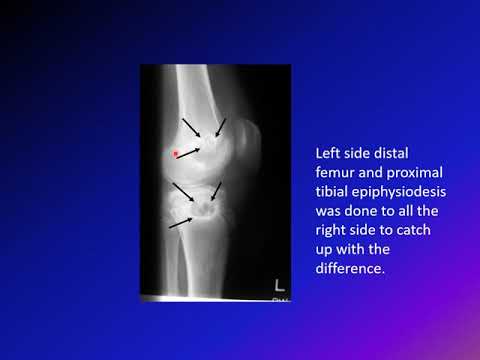
Sometimes surgical options are discussed if there’s significant imbalance affecting daily life—but it’s not always necessary.
The emotional aspect
This condition can affect self-esteem because of visible differences. It’s crucial to create a supportive environment where open conversations about feelings can happen without judgment.
Family and friends should encourage positive attitudes towards body image and self-worth!
Myths to clear up
- Misinformation: Some think this condition only affects boys—this isn’t true; it impacts girls too!
- Misinformation: Others believe that hemihyperplasia automatically means severe health problems—while there are risks that come with it, many individuals lead normal healthy lives with proper care.
The takeaway
If you’re noticing signs of hemihyperplasia in yourself or someone else, don’t hesitate to reach out for guidance from healthcare professionals who specialize in growth disorders. Early intervention can provide valuable support and resources!
Understanding Hemihyperplasia: Unraveling the Mystery of Asymmetrical Growth in Adults
Understanding Hemihyperplasia
Hey there! Let’s talk about a condition called hemihyperplasia. It sounds complicated, but it’s pretty straightforward once we break it down.
Hemihyperplasia is a condition where one side of the body grows more than the other. It’s like if one arm or leg suddenly became bigger or longer than its counterpart. The difference can be subtle or very pronounced; it just depends on the individual.
Causes of Hemihyperplasia
The exact cause of hemihyperplasia isn’t always clear. Sometimes, it’s related to genetic mutations. These are changes in our DNA that can lead to unusual growth patterns.
In some cases, hemihyperplasia can be associated with other syndromes, like Beckwith-Wiedemann syndrome. This is a genetic disorder that also affects growth and can increase the risk of certain health issues.
Symptoms You Might Notice
You might wonder what signs to look out for. Honestly, the biggest symptom is visible asymmetry in growth—one side just looks different from the other.
Other symptoms may include an increased size of internal organs on one side as well as potential developmental delays or issues with coordination and balance.
Caring for Someone With Hemihyperplasia
Caring for someone who has this condition involves monitoring their growth and overall development. Regular check-ups are essential to make sure things are progressing normally.
If there are significant differences in size, doctors might suggest physical therapy to help improve balance and coordination skills. Sometimes braces or orthotics might be considered too, depending on the severity of asymmetry.
Mental Well-being Matters Too
You know, living with any condition like this might affect self-esteem and mental health. Encouragement from family and friends can make a huge difference!
A supportive environment helps not just physically but emotionally as well. Talking about feelings surrounding body image openly can really help individuals feel more comfortable in their skin.
A Quick Note on Myths
- Mistake 1: Some people think hemihyperplasia is contagious—it’s not!
- Mistake 2: Another misconception is that it only happens during childhood; adults can also have it or develop noticeable signs later in life.
- Mistake 3: There’s often a belief that surgery always needs to happen—many individuals manage just fine without surgical intervention!
If you suspect you or someone you know has hemihyperplasia, reaching out for professional advice is essential—not everything fits into one box! Different cases might require different approaches based on individual circumstances. Keep those lines of communication open!
Finding Hope and Healing for Hemihyperplasia
Understanding Hemihyperplasia: Causes, Symptoms, and Care
Hey! So, hemihyperplasia is a condition where one side of the body grows larger than the other. It can affect various parts of the body, like limbs or organs. This uneven growth happens because of cell overgrowth. But don’t freak out; it’s relatively rare and usually needs careful observation.
What Causes Hemihyperplasia?
The exact causes aren’t always clear, but sometimes it relates to genetic changes. Some cases have been linked to disorders like Beckwith-Wiedemann syndrome. Look at it this way: think about a plant with one side getting more sunlight than the other. That can lead to uneven growth.
Symptoms You Might Notice
- Asymmetric body features
- One arm or leg appearing larger
- Possibly some organ enlargements
- Increased risk for certain health issues
If you ever notice the above signs in yourself or someone else, it could be worth checking in with healthcare professionals for proper assessment. Sometimes, just being proactive can lead to better care.
Coping and Managing Hemihyperplasia
Caring for someone with hemihyperplasia often involves regular check-ups to monitor growth and development. Physical therapy might help balance muscle strength on both sides of the body.
You know, sometimes kids may feel self-conscious about their appearance. Encouraging open conversations about feelings can make a big difference in their emotional well-being.
Looking Ahead: Finding Hope and Healing
It’s essential to remember that living with hemihyperplasia is manageable! Many people lead fulfilling lives while managing their condition through a combination of medical care and support from family and friends.
If someone you know affects by this condition shows signs of stress or anxiety, seeking mental health support might help them cope better with challenges they face along the way while promoting resilience.
Myths vs Reality
A common myth is that hemihyperplasia always leads to severe complications. While there are risks associated with it—like an increased chance for tumors—it’s not a given that everyone will experience those issues.
The important thing? Keeping up-to-date on medical advice and treatment options tailored specifically to individual needs helps foster hope as well as healing!
Understanding Hemihyperplasia: Causes, Symptoms, and Care
Hemihyperplasia is a condition that causes one side of the body to grow larger than the other. It’s not super common, but it can impact a person’s appearance and overall health. Understanding this condition helps in managing it more effectively.
The causes aren’t entirely clear. Sometimes it’s linked to genetic factors, where specific genes might cause uneven growth. In other cases, it may occur sporadically without a known reason. This unpredictability makes hemihyperplasia unique and challenging to diagnose early on.
Symptoms usually become evident during childhood. Parents might notice one leg or arm appearing longer or thicker than its counterpart. Along with visible differences, there could be related issues like scoliosis or even an increased risk for certain tumors.
Caring for someone with hemihyperplasia involves a multidisciplinary approach. Regular check-ups are important to monitor growth patterns and identify any possible complications early on. Physical therapy might help improve strength and balance as well.
Support groups can also play a crucial role in providing emotional support for families dealing with this condition. Open conversations within these communities foster understanding and shared experiences that ease anxiety about the unknowns associated with hemihyperplasia.
In essence, while hemihyperplasia presents challenges, proactive care can lead to positive outcomes for those affected by it.