The information provided in this article is intended solely for general informational and educational purposes. It does not constitute medical advice, diagnosis or professional treatment, and should not be considered a substitute for consultation with a qualified doctor or other licensed healthcare professional. Any health-related decisions should be made in consultation with accredited medical professionals.
While efforts have been made to ensure the information is accurate and up to date, no guarantees are given—either express or implied—regarding its accuracy, completeness, currency or suitability. Use of this information is at your own discretion.
It is strongly recommended to consult official sources such as the NHS (National Health Service) or other recognised medical institutions before acting on any information contained on this website or article. Under no circumstances should professional medical advice be ignored or delayed due to content read here.
This content is of a general and informational nature only. It is not intended to replace individualised guidance from a healthcare professional or to establish any doctor-patient relationship. The publication of this information does not imply any professional responsibility, guarantee or obligation on the part of the author or this site.
Have you ever heard the term HER2-positive breast cancer and wondered what it really means? You’re not alone. It’s a topic that can feel overwhelming, especially if you or someone you care about has received this diagnosis.
This type of breast cancer is more aggressive and doesn’t always act like typical breast cancers. It’s crucial to understand the symptoms, treatment options, and daily impact on life when facing such challenges.
This article will break down what HER2-positive breast cancer is all about. We’ll look at common signs to watch for and discuss various pathways for care—offering insights that could help you or your loved ones navigate this journey.
But remember, this isn’t a substitute for personalized medical advice. It’s essential to consult a healthcare professional when making health decisions. Knowing the facts can empower you, but talking with a doctor will provide guidance tailored specifically to you.
So let’s dive in, and hopefully clarify some doubts along the way!
Navigating Your Plate for Better Health and Healing
When it comes to breast cancer, particularly HER2-positive breast cancer, diet can play an important role in your overall health. It’s not just about the food you eat; it’s about how those foods can support your body during treatment.
What is HER2-Positive Breast Cancer?
Okay, so let’s break this down. HER2 stands for Human Epidermal Growth Factor Receptor 2. If someone has HER2-positive breast cancer, it means their cancer cells have more of this protein than normal. This can make the cancer grow faster.
So, managing this type of cancer involves treatments that target these receptors specifically. But while those treatments are doing their job, nutrition can really help in keeping the body strong.
The Role of Nutrition
You know, food is fuel. And when you’re dealing with health challenges like this one, your body needs high-quality fuel. A balanced plate should include a variety of kinds of foods.
- Fruits and Vegetables: These are packed with vitamins and antioxidants which help protect cells from damage.
- Lean Proteins: Foods such as chicken or tofu support muscle recovery and overall energy levels.
- Whole Grains: Think brown rice or whole grain bread—these provide long-lasting energy through fiber.
- Healthy Fats: Foods like avocados and nuts offer vital nutrients that fight inflammation.
Sparking Energy with a Balanced Plate
A well-rounded diet gives your body what it needs to heal and cope with side effects from treatments like chemotherapy or radiation. For instance, some people might experience nausea during treatment; having small meals throughout the day can help keep that under control.
You might wonder if there are foods to avoid too? Certain processed foods or too much sugar can lead to inflammation in the body—something you’d want to minimize during recovery.
The Emotional Side
Navigating a cancer diagnosis isn’t just physical; there’s a mental component too! Preparing healthy meals can be therapeutic. Plus, meal planning allows you to take back some control over your situation while nurturing yourself at the same time.
Cooking Tips for Comfort
- Add Flavor: Experimenting with herbs and spices not only enhances taste but also offers anti-inflammatory benefits!
- Beware of Heavy Meals: Sometimes smaller portions but more frequently will keep energy levels stable without overwhelming you.
- Taste & Texture: If you face difficulties chewing or swallowing, try softer foods like smoothies — they’re nutritious yet easy on the throat!
A Supportive Environment
You know what else helps? Having a support system can contribute greately to emotional wellbeing throughout this journey. Friends or family members who cook together create a soothing atmosphere! Cooking doesn’t have to be lonely work—it can build connections too!
Your Unique Journey
The thing is everyone’s journey is different; what works for one person may not work for another. So as you think about nourishment during treatment for HER2-positive breast cancer, personal preference definitely comes into play.
If unsure about specific dietary changes—chatting with healthcare providers like dietitians could provide tailored guidance based on individual needs and medical history!
This approach not only supports healing but also contributes greatly towards managing overall wellbeing throughout treatment phases! So take it step by step; every healthy choice counts!
Understanding the Impact and Challenges of HER2 Breast Cancer
Understanding HER2-Positive Breast Cancer
HER2-positive breast cancer is a specific type of cancer that affects the breast tissue. It’s named after the HER2 gene, which helps control cell growth. In some cases, this gene is overactive, leading to the uncontrolled growth of breast cells.
What are the Symptoms?
The symptoms of HER2-positive breast cancer can be similar to other types of breast cancer. Common signs include:
- A lump in the breast or armpit
- Changes in the shape or size of the breast
- Persistent discharge from the nipple
- Pain or tenderness in the breast area
- Skin changes, like redness or dimpling
If you notice any unusual changes, it’s important to speak with a healthcare provider. Early detection can make a significant difference.
How is it Diagnosed?
Doctors typically use several approaches to diagnose HER2-positive breast cancer. This often starts with a physical exam and imaging tests like mammograms. If there’s suspicion of cancer, they may perform a biopsy.
A biopsy involves taking a small sample from the suspicious area and examining it under a microscope. This helps determine if there are abnormal cells present and whether they overproduce HER2 proteins.
Treatment Options
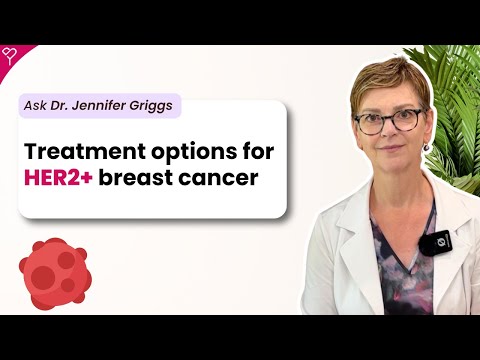
The treatment for HER2-positive breast cancer varies based on several factors including stage and overall health. The most common treatments include:
- Surgery: To remove tumors or affected tissue.
- Chemotherapy: This uses drugs to destroy fast-growing cells.
- Targeted therapy: Medications specifically target HER2 proteins to slow down their activity.
One example is trastuzumab (often known as Herceptin), which specifically targets high levels of HER2. It can change how your body responds to this particular kind of cancer.
Challenges Faced by Patients
Coping with an HER2-positive diagnosis can be overwhelming emotionally and physically. Patients may face side effects from treatments, like fatigue, nausea, or hair loss.
Additionally, there’s often anxiety about recurrence—what if it comes back? Staying connected support groups can sometimes help ease these feelings by providing comfort from shared experiences.
Lifestyle Considerations
A supportive lifestyle can play an important role during treatment. Eating well-balanced meals might help boost your energy levels as well as strengthen your immune system. Moderate exercise could also improve mood and overall health.
It’s essential to listen to your body though; rest when needed! Each person’s journey through diagnosis and treatment will look different based on their individual circumstances.
The Importance of Support Networks
Navigating through this journey alone isn’t necessary—support networks can provide both emotional backing and practical assistance.
Friends, family members, or even counselors could lend an ear when challenges arise.
They might also help out with daily tasks like grocery shopping or childcare during treatment phases so you can focus on recovery instead!
This information provides a foundation for understanding HER2-positive breast cancer but isn’t meant to replace professional medical advice!
Understanding the Journey and Outlook for Women Facing HER2-Positive Breast Cancer
Understanding HER2-Positive Breast Cancer
Hey, so let’s chat about HER2-positive breast cancer. This type of cancer has to do with a specific protein called HER2, which can promote the growth of cancer cells. It’s like having too many extra gas pedals in a car—everything speeds up way too fast.
What Are the Symptoms?
The symptoms of this kind of breast cancer can vary from person to person. Often, women notice a lump in their breast or changes in its shape or size. It might feel hard or different from surrounding tissue.
Sometimes, there might be other signs like skin changes—think redness or swelling—or even nipple discharge that isn’t normal for you.
How Is It Diagnosed?
Your doctor usually starts by doing a physical exam and then recommends some imaging tests like mammograms or ultrasounds. A biopsy can confirm whether the tumor is HER2-positive. That’s when they take a tiny piece of tissue to check it out closely under a microscope.
Treatment Options
- Surgery: Removing the tumor is often the first step. In some cases, they may also take out nearby lymph nodes.
- Chemotherapy: This uses powerful drugs to kill cancer cells. It’s like using heavy artillery against an invading army.
- Targeted Therapy: Drugs like trastuzumab (Herceptin) specifically target HER2 proteins on tumor cells, acting more precisely than traditional treatments.
- Hormonal Therapy: If your cancer is hormone receptor-positive as well, medications may help block hormones that fuel growth.
The Journey Ahead
Navigating this diagnosis isn’t easy; it can feel overwhelming at times. Engaging with support groups might be helpful—they offer emotional backing and practical advice from people who really get it.
This journey involves regular check-ups and monitoring for recurrence. Some women find comfort in staying informed about their health while others focus on self-care practices to keep their spirits high.
Looking Towards The Future
The outlook for women with HER2-positive breast cancer has improved significantly over recent years due to advances in treatment options. Many women are thriving long-term after their diagnosis thanks to targeted therapies and better overall management strategies.
A Word on Myths
You might hear all sorts of stories about breast cancer treatments—some good, some bad. The thing is, every case is unique, so what works for one person might not work for another. Always rely on trusted sources and have open discussions with healthcare professionals about your options.
If you’re facing this challenge or know someone who is, remember—you’re not alone on this journey! It’s perfectly okay to ask questions and seek support along the way.
Understanding HER2-Positive Breast Cancer: Symptoms and Care
HER2-positive breast cancer is a specific type characterized by the overexpression of the HER2 protein. This protein promotes the growth of cancer cells. It affects about 15-20% of breast cancer patients, making awareness critical.
Symptoms often include a noticeable lump in the breast, changes to the skin or nipple, and sometimes swelling in nearby lymph nodes. These signs can be concerning, but early detection options like mammograms remain vital.
Caring for someone with this diagnosis involves a comprehensive approach. Treatment commonly includes targeted therapies like trastuzumab (Herceptin) that specifically attack HER2-positive cells. Chemotherapy might also come into play, depending on the individual case.
Emotional support is equally crucial, as navigating this journey can be overwhelming. Family members and friends should encourage discussions about feelings and fears. Joining support groups can help too.
It’s important to remember that every patient’s experience is unique; what works for one may not work for another. Open communication with healthcare professionals can guide decisions tailored to specific needs.
This ongoing journey requires constant learning about new treatment options and coping strategies, ensuring that patients don’t just feel like statistics but empowered individuals seeking their best path forward.