The information provided in this article is intended solely for general informational and educational purposes. It does not constitute medical advice, diagnosis or professional treatment, and should not be considered a substitute for consultation with a qualified doctor or other licensed healthcare professional. Any health-related decisions should be made in consultation with accredited medical professionals.
While efforts have been made to ensure the information is accurate and up to date, no guarantees are given—either express or implied—regarding its accuracy, completeness, currency or suitability. Use of this information is at your own discretion.
It is strongly recommended to consult official sources such as the NHS (National Health Service) or other recognised medical institutions before acting on any information contained on this website or article. Under no circumstances should professional medical advice be ignored or delayed due to content read here.
This content is of a general and informational nature only. It is not intended to replace individualised guidance from a healthcare professional or to establish any doctor-patient relationship. The publication of this information does not imply any professional responsibility, guarantee or obligation on the part of the author or this site.
Have you ever felt a tingling sensation on your lips or around your genitals, and wondered if it was something serious? You’re not alone; millions of people deal with herpes simplex viruses. It’s more common than you might think, but that doesn’t make it any less concerning.
In this article, we’ll dive into the world of herpes simplex viruses, discussing what they are, how they spread, and the symptoms you might experience. Understanding these aspects can help you manage your health better.
You see, herpes is often wrapped in stigma and misunderstanding. Many think it’s just about cold sores or shameful encounters. But it’s about much more than that—like living comfortably and confidently with a diagnosis.
We’ll share practical information on care and management strategies too. This isn’t about scare tactics; it’s about real knowledge that empowers you to make informed decisions.
Remember though; while this article offers insights and explanations, it doesn’t replace professional medical advice. It’s always crucial to consult a healthcare professional for personalized guidance on any health concerns.
Understanding the Subtle Signs and Impact on Women’s Health
Understanding Herpes Simplex Viruses
Herpes simplex virus (HSV) can seem a bit daunting, especially when it comes to women’s health. There are two main types—HSV-1 and HSV-2. HSV-1 often causes oral herpes, while HSV-2 usually leads to genital herpes. But it’s not always black and white; both types can appear in either area.
Recognizing Symptoms
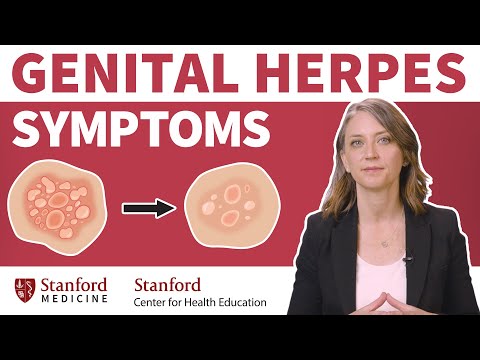
So, what do the symptoms look like? Many people don’t even know they’re infected because they may not have symptoms. When they do show up, it might be blisters or sores in the affected area. These can be painful and uncomfortable.
Sometimes, before outbreaks, you might feel tingling or itching in the area. Think of it like a warning signal from your body that an outbreak is coming.
The Impact on Women’s Health
Now let’s talk about how this affects women specifically. Women can be at higher risk for complications if they contract HSV during pregnancy or childbirth. This could potentially impact the baby, so it’s really important for pregnant women to discuss any concerns with their healthcare providers.
The emotional weight of having herpes can also sometimes lead to anxiety or depression. It’s not just about physical health; mental well-being matters too.
Caring for Yourself
Caring for herpes often involves managing outbreaks and reducing transmission risk. Over-the-counter creams might help ease pain during an outbreak, while prescribed antiviral medications can reduce the frequency of outbreaks.
It’s crucial to maintain open communication with partners about sexual health too—this helps manage risks and reduces stigma around the virus.
Myths vs Reality
A common myth is that herpes is always symptomatic—that’s simply not true; many carriers are asymptomatic but still contagious. Also, you can’t “catch” herpes through mere contact; it typically requires skin-to-skin contact with an infected area.
Looking Forward
If you’re dealing with this virus, remember: you’re not alone! Many people navigate living with HSV every day. Support groups or consultations might even provide some comfort as you share your experiences with others who understand.
Your health is important—don’t hesitate to reach out to medical professionals if you have more questions about managing symptoms or impacts on life!
Unpacking the Myths and Realities of Herpes Risks
Understanding Herpes Simplex Viruses
Herpes is one of those terms that can stir up a lot of confusion and even fear. There are two main types: herpes simplex virus type 1 (HSV-1) and herpes simplex virus type 2 (HSV-2). Usually, HSV-1 is linked to cold sores, while HSV-2 is often associated with genital herpes. But here’s the thing—both can occur in either location.
What Are the Symptoms?
Symptoms might vary from person to person. Some folks experience painful blisters or sores, while others might not show any signs at all! Isn’t it surprising? After exposure, it can take days or even weeks for symptoms to pop up. Sometimes you might feel like you have the flu—fever, swollen glands, you know?
The first outbreak tends to be the worst. It’s kind of like your body is reacting strongly to something new. Subsequent outbreaks usually become less severe but can still happen occasionally.
How Is It Spread?
The myths surrounding herpes transmission are plentiful. A common belief is that you can’t get it unless there are visible sores. Not true! The virus can be transmitted even when no symptoms are present; this is called asymptomatic shedding.
You know someone might say they have “never had an outbreak,” yet they could still spread the virus unknowingly. This emphasizes why understanding herpes risks matters.
Risk Factors
- Having multiple partners increases risk
- A weakened immune system plays a role
- Engaging in unprotected sex also heightens chances
A lot of people worry about social stigma too, which can make discussing this topic tough but open conversations help reduce misunderstandings!
Coping and Care
If you’ve been diagnosed with herpes, you’re not alone—many people live with this condition every day. Keeping your immune system strong by getting enough sleep and eating well can make a big difference in managing outbreaks.
If outbreaks do occur, your healthcare provider may suggest antiviral medications which can reduce severity and frequency.
Misinformation Alert!
You may have heard claims about “natural cures” or that certain diets will cure herpes completely—these ideas aren’t supported by science. Instead of believing everything you read online, always seek out credible information.
Your comfort level with discussing such topics matters greatly as well; consider reaching out to trusted friends or professionals who can provide support during difficult times.
The Bottom Line
The presence of a herpes infection doesn’t define you—it’s simply part of health realities for many individuals worldwide. So remember that understanding your own health means navigating information carefully and seeking clarity on subjects like these when needed.
Exploring Unexpected Ways Herpes Can Spread Beyond Intimate Contact
Understanding Herpes Spread Beyond Intimate Contact
Hey, so let’s talk about herpes. Many people think it only spreads through intimate contact, but that’s not the whole story. Look, the herpes simplex virus (HSV) can actually spread in unexpected ways.
What is Herpes Simplex Virus?
Herpes comes in two main types: HSV-1 and HSV-2. HSV-1 usually causes cold sores, while HSV-2 commonly leads to genital herpes. But both can appear in either area.
How Does It Spread?
You probably know that skin-to-skin contact is a major way it spreads. But there are other routes as well.
- Indirect Contact: Sharing items like towels or razors might seem harmless, but they can carry the virus if someone has an active outbreak and has touched those items.
- Oral Transmission: Even if you don’t have visible sores, someone with HSV-1 can still transmit the virus through kissing or sharing utensils.
- Aspirating Viral Secretions: Some researchers suggest that inhaling respiratory droplets from someone with an oral herpes outbreak may transmit the virus, although this isn’t very common.
The Role of Asymptomatic Shedding
This is a biggie. Asymptomatic shedding refers to when the virus is present on the skin even without visible sores. That means someone may unknowingly pass it on during normal activities.
Risky Behaviors
Certain situations increase your risk of exposure. For instance, engaging in oral sex when one partner has oral herpes can transfer the virus to genital areas. This may lead to genital herpes even without direct contact.
A Little Bit More Complex
The immune system plays a role too. If it’s weakened due to stress or illness, chances of transmission could increase—so staying healthy is important!
Persistent Myths
A common myth is that you can’t get herpes from non-sexual contact at all. While rare, these indirect transmissions show it’s possible under certain conditions.
Your Takeaway
The bottom line? Herpes isn’t just about intimate encounters; awareness goes a long way in reducing risks of spreading or getting it yourself. Always communicate openly with partners and take care of your health.
Understanding Herpes Simplex Viruses (HSV) is crucial for both individual and public health. HSV comes in two main types: HSV-1, commonly associated with oral herpes, and HSV-2, which primarily causes genital herpes. Both types can lead to significant physical and emotional challenges.
Symptoms often include painful sores, itching, and sometimes flu-like symptoms during initial outbreaks. However, many people may not experience noticeable symptoms or may mistake them for something else. This can create a sense of confusion or misinformation surrounding the virus.
Educating ourselves about HSV is vital to combat stigma. Open conversations about these infections can lead to better understanding and empathy. Care involves managing symptoms through antiviral medications which can reduce the frequency of outbreaks and lower transmission risk.
You know, it’s important to remember that having an HSV infection isn’t a reflection of one’s worth or character. Support systems play a huge role in coping with the emotional side effects.
Overall, increasing awareness can empower individuals to make informed choices regarding their health. Learning to recognize symptoms early on allows for prompt care—whether that’s medication or lifestyle adjustments—making it easier to manage this common condition.