The information provided in this article is intended solely for general informational and educational purposes. It does not constitute medical advice, diagnosis or professional treatment, and should not be considered a substitute for consultation with a qualified doctor or other licensed healthcare professional. Any health-related decisions should be made in consultation with accredited medical professionals.
While efforts have been made to ensure the information is accurate and up to date, no guarantees are given—either express or implied—regarding its accuracy, completeness, currency or suitability. Use of this information is at your own discretion.
It is strongly recommended to consult official sources such as the NHS (National Health Service) or other recognised medical institutions before acting on any information contained on this website or article. Under no circumstances should professional medical advice be ignored or delayed due to content read here.
This content is of a general and informational nature only. It is not intended to replace individualised guidance from a healthcare professional or to establish any doctor-patient relationship. The publication of this information does not imply any professional responsibility, guarantee or obligation on the part of the author or this site.
Have you ever rolled your ankle or stubbed your toe and thought, “That really hurts!”? It’s surprising how a little stumble can lead to something more serious, like a Jones fracture. This specific type of injury can catch you off-guard, especially if you’re active in sports or daily activities.
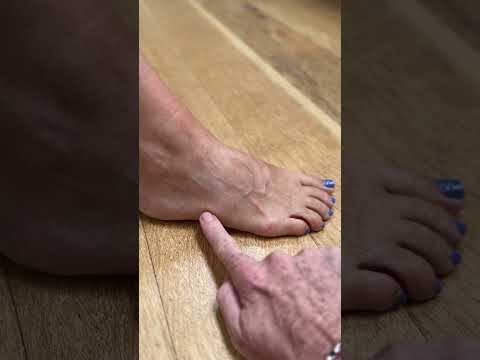
A Jones fracture happens in the fifth metatarsal—the bone on the outside of your foot. It may seem minor at first, but it can be quite tricky to heal. The symptoms of this fracture might include pain, swelling, and difficulty walking. If you’ve been feeling these things after an injury, it’s time to pay attention.
This article dives into understanding what exactly a Jones fracture is, how to recognize its symptoms, and what effective treatments are available. Knowing this information matters because early intervention can help you get back on your feet faster.
Remember that while this article provides valuable insights, it doesn’t replace medical advice. Always consult with a healthcare professional before making any health decisions.
A Comprehensive Guide to Healing and Recovery
Understanding Jones Fracture
A Jones fracture is a specific type of break in the fifth metatarsal, which is the long bone on the outside of your foot. It’s named after a doctor who first described it. This fracture usually occurs just behind the toe and can be tricky to diagnose because its symptoms can sometimes overlap with other foot injuries.
Symptoms
So, what are the signs that you might have a Jones fracture? Look out for swelling on the outer side of your foot. You might also notice pain in this area that gets worse when you try to walk or put weight on it. Sometimes, bruising can appear, but not always.
If you’ve been involved in sports or activities that involve repetitive stress on your feet—think running or jumping—they’re at higher risk for this injury.
Treatment Options
Treatment for a Jones fracture often depends on how severe it is. Rest is super important; this means giving your foot time to heal by avoiding activities that could make things worse.
- Casts and Crutches: Many people will be given a cast to keep their foot stable. Crutches can help you get around without putting too much pressure on it.
- Surgery: In some cases, especially if it’s a more complicated fracture, surgery may be needed to fix the bone properly. This often involves placing screws or plates to help stabilize everything.
- Physical Therapy: Once you’re mostly healed, physical therapy can help get your strength back and improve mobility.
The Healing Process
The healing time for a Jones fracture can vary widely—typically it takes about 6-8 weeks—but every individual is different. So it’s really important to follow up with your healthcare provider regularly during recovery. This way, they can monitor progress and ensure everything’s aligning as it should.
Myths About Recovery
A common myth is that you should just tough it out and keep playing sports even if you suspect an injury like this one. Ignoring pain typically leads to further complications! Early intervention tends to lead to better outcomes overall.
You might also hear people say fractures heal just fine without medical care; while minor injuries sometimes do, Jones fractures often need specific treatment due to their unique location and nature. Don’t skip professional advice when symptoms suggest something might be wrong!
Final Thoughts
Healing from a Jones fracture involves patience and care—your body needs time! It’s essential to listen closely to signs from your body throughout recovery. Keep communication open with whoever’s helping guide your healing process; they’re there for support!
Boosting Recovery and Enhancing Healing for Your Foot Fracture
Understanding Jones Fracture
A Jones fracture is a specific type of break in the fifth metatarsal, which is the bone on the outside of your foot. It’s often caused by stress or trauma, such as when you suddenly twist your ankle or overexert yourself in sports. Imagine landing awkwardly after a jump; that can lead to this kind of fracture.
Common symptoms include pain on the outer side of the foot, swelling, and sometimes bruising. You might notice it hurts to walk or put weight on that foot. It’s kinda like having a sore spot that just won’t go away, even when you’re resting.
Boosting Recovery
Recovery from a Jones fracture usually takes around six to eight weeks, but everyone’s body is different. Now let’s go into how you can help your body heal better during this time.
- Rest: It sounds simple, but just staying off your foot allows it to heal without further damage.
- Ice: Applying ice packs can ease swelling and pain. Just remember to wrap ice in a cloth—you don’t wanna hurt your skin!
- Elevation: Keeping your foot elevated above heart level helps reduce swelling too. Think of propping it up on pillows when you’re sitting or lying down.
You might be tempted to rush back into activities, but that could lead to more problems. As frustrating as it might be, prioritizing rest until cleared by a healthcare provider is key.
Nourishing Your Body
Your diet plays a huge role in healing bones. Calcium and vitamin D are essential for bone health. Foods like milk, yogurt, leafy greens—and even fortified cereals—help provide those nutrients.
Don’t forget about protein! Think lean meats, fish, beans—anything that helps repair tissues and muscles around the fracture site.
Treatments and When to Seek Help
If you’ve been diagnosed with a Jones fracture, treatment may vary based on severity. Sometimes this means wearing a boot or cast; other times surgery might be necessary if the fracture doesn’t heal well alone.
- Avoid jumping back into sports too soon:This can lead to what we call “nonunion,” where bones fail to heal properly.
- Watch for signs of complications:If pain worsens despite following treatment guidelines or you notice unusual changes in color or extreme swelling—not cool!
If you’re unsure about any symptoms or have concerns about recovery methods—even those home remedies—reach out for professional advice. Remember that while healing may take time—it’s important not to rush!
Your Journey Forward
The road to recovery doesn’t have to be lonely. Surrounding yourself with supportive friends and family makes healing easier both emotionally and physically. Just think about how much better you’ll feel when you’re back up on your feet again!
No one wants an injury; however understanding how best to care for yourself during this time makes all the difference in getting back on track sooner rather than later.
Understanding the Lasting Impact on Foot Health and Mobility
So, let’s dive into something that’s often overlooked: foot health. You might not think about your feet much, but they play a crucial role in how we move and function daily. When injuries occur—like a Jones fracture—it can have long-term effects on mobility.
What is a Jones Fracture?
A Jones fracture is a specific type of injury to the fifth metatarsal bone in your foot, which is located on the outer side. It often happens due to stress or twisting forces. Think of it like stepping awkwardly off a curb or landing funny after jumping.
Symptoms You Might Notice
The symptoms are pretty classic for this kind of fracture. There’s usually pain on the outside of your foot, swelling, and sometimes bruising. If you can’t put weight on it without wincing, that’s a sign you should pay attention.
Immediate Treatment Steps
If you suspect you have a Jones fracture, resting the foot is super important. Ice can help reduce swelling—just like you’d do with any sprain. Elevation can also aid in recovery by minimizing blood flow to the area.
The Importance of Follow-Up Care
After initial treatment, follow-up care is key. Sometimes doctors will suggest physical therapy to regain strength and flexibility in the foot. It’s not just about healing; it’s about getting back to normal activities without hesitation.
Long-Term Effects on Mobility
You might be wondering how this all ties into lasting impact. Well, if not treated properly, a Jones fracture can lead to chronic pain or instability in your foot over time. This could affect how you walk or even run.
Sometimes people develop compensatory habits; for instance, if one foot hurts, they might shift weight onto their other foot more often than not. This can cause issues further up the leg or even strain hips and knees.
An Example Scenario
Imagine someone who loves jogging but suffers from this type of fracture and skips proper treatment—maybe they think they’ll just “tough it out.” Over time they could end up with persistent discomfort when running or even walking for extended periods.
The Takeaway
Caring for your feet is essential for maintaining overall mobility as we age or engage in various activities! A Jones fracture might sound minor at first glance but ignoring it could lead to substantial issues down the line. So next time you’re thinking about taking care of yourself—remember those feet!
Understanding Jones Fracture: Symptoms and Effective Treatment
A Jones fracture is a specific type of stress fracture that occurs in the fifth metatarsal, which is the bone on the outer side of your foot. It usually happens due to overuse or repetitive stress, often seen in athletes or those who are active. The interesting thing here is that this fracture often requires careful management, as it can be tricky to heal.
Common symptoms include pain on the outer part of the foot, swelling, and difficulty walking. If you’ve ever rolled your ankle or felt a sharp pain while playing sports, you might relate to this discomfort. Sometimes people confuse it with a simple sprain due to similar symptoms.
Treatment typically involves rest and immobilization, like using a boot or crutches. In some cases, more conservative methods may not work. Surgery might be needed if non-invasive options fail after a few months. It’s crucial to follow medical advice closely in these situations; healing properly can take time.
Understanding this fracture helps in recognizing its signs early and seeking appropriate care swiftly—something that definitely enhances recovery chances. As with any injury, patience plays a key role in the healing process.