The information provided in this article is intended solely for general informational and educational purposes. It does not constitute medical advice, diagnosis or professional treatment, and should not be considered a substitute for consultation with a qualified doctor or other licensed healthcare professional. Any health-related decisions should be made in consultation with accredited medical professionals.
While efforts have been made to ensure the information is accurate and up to date, no guarantees are given—either express or implied—regarding its accuracy, completeness, currency or suitability. Use of this information is at your own discretion.
It is strongly recommended to consult official sources such as the NHS (National Health Service) or other recognised medical institutions before acting on any information contained on this website or article. Under no circumstances should professional medical advice be ignored or delayed due to content read here.
This content is of a general and informational nature only. It is not intended to replace individualised guidance from a healthcare professional or to establish any doctor-patient relationship. The publication of this information does not imply any professional responsibility, guarantee or obligation on the part of the author or this site.
Have you ever heard of Lesch-Nyhan Syndrome? It’s pretty rare, but it packs quite a punch when it comes to understanding health conditions. This genetic disorder affects both body and behavior, leaving a lasting impact on those who have it.
Imagine feeling an overwhelming urge to move or act in ways that can hurt you. That’s part of the experience for many with this syndrome. It isn’t just physical; there are also emotional challenges that come along with it.
This article dives into the symptoms and care strategies for Lesch-Nyhan Syndrome. We’ll break down what you need to know about this condition—everything from its causes to how best to support someone living with it.
Your awareness of this syndrome matters, whether you’re a caregiver, a family member, or just someone interested in learning more. The more we understand these conditions, the better we can support those affected.
Please remember that while this article provides valuable insights, it’s not a replacement for professional medical advice. Always consult a healthcare professional for guidance tailored to individual needs.
Unraveling the Signs of a Rare Genetic Disorder
Understanding Lesch-Nyhan Syndrome
Lesch-Nyhan Syndrome is a rare genetic disorder that mainly affects males. It’s caused by a deficiency of an enzyme called hypoxanthine-guanine phosphoribosyltransferase (HPRT). This enzyme is important for recycling purines, which are building blocks of DNA and RNA.
The condition results in a buildup of uric acid in the body, leading to several symptoms. You know, it can be tough to see someone suffering from this disorder. The signs usually begin to appear when the child is about 6 months old, and they can vary significantly between individuals.
Common Symptoms
- Developmental Delays: Children might experience delays in reaching developmental milestones like crawling or walking.
- Self-injurious Behaviors: This can include biting their lips or fingers, which seems puzzling but is a hallmark of the syndrome.
- Muscle Problems: Individuals may have stiffness or spasms in their muscles.
- The Gouty Arthritis: Painful swelling in joints due to high uric acid levels can also happen.
Caring for Someone with Lesch-Nyhan Syndrome
Caring for a person with this syndrome requires patience and understanding. Safety is crucial due to self-injurious behaviors. Softening sharp edges at home and using protective gear can help prevent injuries.
A routine is beneficial. Having scheduled therapies like physical or occupational therapy improves strength and mobility somewhat. Social interactions are also important; engaging them in gentle activities helps reduce frustration.
Nutritional Considerations
Managing diet plays an essential role too! A low-purine diet might be recommended because it helps control uric acid levels in the body. Foods like red meat or certain fishes should be limited while fruits, vegetables, and grains could be encouraged.
Mental Health Support
This journey can take an emotional toll on families as well. Seeking support groups where you can connect with other parents dealing with similar challenges often offers comfort and advice you may need.
Innovative Outook on Research
Research on Lesch-Nyhan syndrome is ongoing; scientists are exploring gene therapy approaches that might one day provide new treatment avenues. However, no definitive solutions have been established yet.
If you suspect someone may have this condition or if they’re showing symptoms, reaching out for professional evaluation remains critical. Early intervention plays a significant role in managing symptoms effectively!
Unraveling the Key Sign That Points to Lesch-Nyhan Disease
Understanding Lesch-Nyhan Disease
Lesch-Nyhan Disease is a rare genetic condition that primarily affects boys. It’s related to a problem with purines, which are the building blocks of DNA. When there’s a malfunction in breaking these down, it leads to the buildup of uric acid in the body. This can cause a range of symptoms that are troubling for those affected and their families.
Key Signs and Symptoms
The most notable sign of Lesch-Nyhan Disease is self-injurious behavior. Kids may bite their lips, fingers, or skin. That might sound shocking or hard to understand, but it’s like they can’t help it—it’s part of how their brain processes feelings and stress.
Other signs include muscle stiffness and coordination problems, which can make movements difficult. You might also notice delays in reaching milestones like walking or talking. Some children experience mental disabilities as well.
The Role of Uric Acid
You see, because purines aren’t broken down properly, uric acid builds up in the body. This excess uric acid can lead to kidney stones and gout—a type of painful arthritis usually seen in adults but can appear in kids with this disease too.
Genetics and Inheritance
Lesch-Nyhan is caused by mutations in the HPRT1 gene on the X chromosome. Since boys have one X chromosome (paired with a Y), they’re more likely to show symptoms when this gene is faulty. Girls have two X chromosomes; if one has a mutation, the other can sometimes compensate.
Coping Strategies for Families
If you’re caring for someone with Lesch-Nyhan Disease, it’s vital to create a safe environment. Soft cushions or padded furniture might help reduce injury during outbursts of behavior. It’s also good to include therapy sessions—like physical therapy—to help improve movement skills.
Moreover, working closely with healthcare professionals can guide you through managing both physical and emotional needs effectively.
Important Considerations
- This condition is lifelong; planning for future care needs is important.
- Support groups offer connection with others facing similar challenges.
- Be informed about potential complications; knowledge helps reduce anxiety about what might happen next.
The thing is—having an understanding community makes a world of difference for families dealing with this syndrome. Encouragement and hope often come from shared experiences!
A Comprehensive Guide to Managing Symptoms and Improving Quality of Life
Understanding Lesch-Nyhan Syndrome
Lesch-Nyhan Syndrome is a rare genetic disorder. It happens because of a mutation in the HPRT1 gene, which plays a crucial role in breaking down purines. These are natural substances found in many foods, especially meats and beans.
What Are the Symptoms?
Symptoms usually begin to show in early childhood. A key sign is self-injurious behavior, where individuals might bite their own lips or fingers. It’s tough to see and can be confusing for families.
Other symptoms include:
- Involuntary movements: These may look like jerking or twitching.
- Cognitive delays: Many individuals may have an intellectual disability.
- Gout: This causes painful swelling in joints.
- Dystonia: This is when muscles contract uncontrollably.
Caring for Someone with Lesch-Nyhan Syndrome
Caring for someone with this syndrome can be challenging but also rewarding. It’s important to create a safe environment. For example, padding sharp edges at home can help prevent injuries.
You might also consider reaching out to support groups and communities online or locally. Speaking with others who understand can really lighten the load sometimes. Plus, they often share practical tips.
Treatment Options
There’s currently no cure for Lesch-Nyhan Syndrome. Treatment mainly focuses on managing symptoms, helping improve quality of life. For instance, medications might be prescribed to help control involuntary movements or behavioral issues.
Nutritional counseling is important too—encouraging low-purine diets can help manage gout flare-ups and overall health.
The Importance of Early Intervention
If you suspect that someone has symptoms of this syndrome, it’s vital to seek medical advice as early as possible. Early intervention often leads to better management of symptoms over time.
A Supportive Community Matters
If you’re caring for someone with Lesch-Nyhan Syndrome, remember you’re not alone. Finding resources like therapy options or occupational therapies can make daily life easier both for you and your loved one.
Final Thoughts
Lesch-Nyhan Syndrome presents unique challenges but knowing more about it helps unlock ways to cope and care effectively. Staying informed empowers families and caregivers alike—so keep leaning on each other!
Understanding Lesch-Nyhan Syndrome: Symptoms and Care Guide
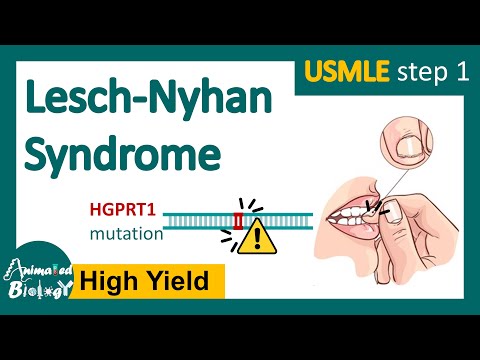
Lesch-Nyhan Syndrome is a rare genetic disorder that mainly affects boys. It’s caused by a deficiency of an enzyme called hypoxanthine-guanine phosphoribosyltransferase (HGPRT). This enzyme plays a crucial role in recycling purines, which are essential components of DNA.
The symptoms typically present around six months of age. Look, one of the most recognizable features is self-injurious behavior, like biting one’s lips or fingers. It’s heartbreaking to see, but it stems from neurological issues linked to the condition. Children may also experience motor dysfunction and developmental delays.
Another key symptom is hyperuricemia, meaning there’s too much uric acid in the blood. This can lead to gout—a type of arthritis causing painful swelling in the joints—and kidney problems over time.
Care Considerations
Caring for someone with Lesch-Nyhan Syndrome can be challenging but rewarding. Regular consultations with healthcare professionals—like pediatricians, neurologists, and dietitians—are essential. A multidisciplinary team ensures comprehensive care.
Behavioral therapy can help manage self-injurious actions and improve quality of life. Likewise, physical therapy assists with motor skills development and mobility.
Maintaining a balanced diet is crucial as well. Since high uric acid levels can cause complications, health care providers often recommend low-purine foods to alleviate potential issues.
A Supportive Environment
An understanding environment makes all the difference for families affected by this syndrome. Support groups provide emotional backing and practical advice from those experiencing similar challenges. Honestly, sharing experiences can ease feelings of isolation that families might face.
Lesch-Nyhan Syndrome requires ongoing education about its complexities, but with understanding and proper care strategies in place, individuals affected can lead fulfilling lives alongside their loved ones.