Life support systems play a crucial role in modern medicine, acting as lifelines for patients facing serious health crises. Understanding these systems can feel daunting, but it’s essential to grasp how they function and what implications they have for both patients and their families.
Life support involves a range of medical technologies designed to maintain or restore vital functions when the body struggles to do so on its own. Think of it like the backup generator for your home during a power outage; it keeps essential systems running when things go awry.
The most common forms of life support include ventilators, which assist with breathing, and dialysis machines, which help filter waste from the blood when kidneys fail. These tools can provide critical time for recovery or act as temporary measures while other treatments take effect.
However, navigating life support decisions can be emotionally charged and complicated. Each situation is unique, often requiring input from various healthcare professionals. Therefore, it’s important to learn from multiple sources—such as healthcare providers and reputable educational materials—before forming conclusions.
Warning: While this overview aims to provide clarity about life support, it’s vital that individuals seek out information from qualified specialists and trusted media outlets. Misunderstandings or misinformation can lead to fear or poor decision-making in high-stakes situations. Always approach such topics with curiosity but also with discernment; your informed choices matter greatly in healthcare decisions.
The information provided in this article is intended solely for general informational and educational purposes. It does not constitute medical advice, diagnosis or professional treatment, and should not be considered a substitute for consultation with a qualified doctor or other licensed healthcare professional. Any health-related decisions should be made in consultation with accredited medical professionals.
While efforts have been made to ensure the information is accurate and up to date, no guarantees are given—either express or implied—regarding its accuracy, completeness, currency or suitability. Use of this information is at your own discretion.
It is strongly recommended to consult official sources such as the NHS (National Health Service) or other recognised medical institutions before acting on any information contained on this website or article. Under no circumstances should professional medical advice be ignored or delayed due to content read here.
This content is of a general and informational nature only. It is not intended to replace individualised guidance from a healthcare professional or to establish any doctor-patient relationship. The publication of this information does not imply any professional responsibility, guarantee or obligation on the part of the author or this site.
Essential Steps to Save Lives in Emergencies
In emergencies, knowing how to respond can make all the difference. You don’t need to be a medical expert to help save a life. Just understanding some essential steps can empower you.
First, it’s vital to assess the situation. Ensure it’s safe for you to approach the person in need. Look for hazards like traffic, fire, or unstable surfaces.
Once you’ve established safety, check if the person is responsive. Gently shake their shoulders and ask if they’re okay. If they don’t respond, it’s time to call for help.
Calling emergency services can be lifesaving. Always provide clear information such as your location and what happened. This helps responders get there quickly.
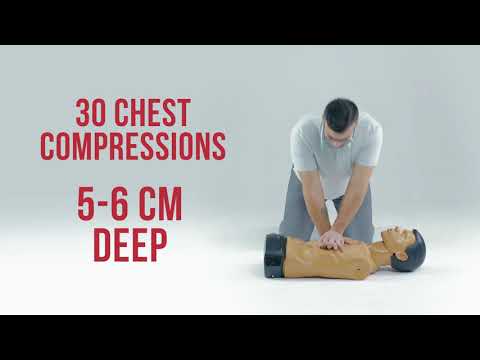
If someone isn’t breathing or doesn’t have a pulse, you may need to perform CPR (cardiopulmonary resuscitation). Think of CPR as restarting a heart—a way to keep blood flowing until professionals arrive.
Here are some quick points about performing CPR:
Another important skill is using an AED (Automated External Defibrillator). These devices are often found in public places and can guide you through steps needed during a cardiac arrest.
Remember not to panic; staying calm is crucial. Your calmness will help those around you feel secure and focused on the task at hand.
It’s also helpful to learn basic first aid techniques like how to stop bleeding or treat burns. These skills can be useful not just in emergencies but also in everyday situations.
Finally, consider getting certified in CPR and first aid. Many organizations offer courses that teach these skills effectively.
In summary, being prepared means knowing basic emergency procedures and acting quickly when needed. Every second counts during an emergency situation!
Essential Techniques to Save Lives When It Matters Most
When someone’s life is in danger, immediate action can make a huge difference. Life support techniques are crucial during emergencies, and understanding these can help anyone be prepared.
One of the most important techniques is **CPR**, or cardiopulmonary resuscitation. This simple method helps keep blood flow going when someone’s heart stops beating. Think of it like giving your heart a jumpstart.
To perform CPR effectively:
Another essential technique is using an **AED**, or automated external defibrillator. This device analyzes heart rhythms and can deliver shocks if necessary. It’s like having an extra lifeline nearby.
Here’s how to use an AED:
Learning how to use these tools doesn’t require extensive training but does provide confidence during crises.
Also important is understanding **choking relief** methods. Choking happens when something blocks a person’s airway. Imagine trying to breathe through a straw that gets blocked – not good!
To help:
For infants under one year old, lay them face down across your forearm and give gentle back slaps.
First aid skills also play a vital role in emergencies. Knowing how to treat wounds or manage bleeding can save lives too. Applying pressure to bleeding wounds helps stop blood loss—like putting your thumb over a leaking garden hose.
Always remember that staying calm can help you think clearly in emergencies. Panic often makes situations worse.
In conclusion, learning these essential life support techniques empowers individuals to act quickly when needed most. The more we know about these life-saving skills, the better prepared we are for unexpected moments.
Essential Building Blocks for Sustaining Life
Understanding life is a complex journey. At the core, there are essential building blocks that sustain it. Let’s explore these basic elements and their importance for our well-being.
First and foremost, oxygen is crucial. Just like a fire needs oxygen to burn, our bodies need it to function. Oxygen powers the cells in our body, enabling them to produce energy.
Next, we have nutrients. These include proteins, fats, carbohydrates, vitamins, and minerals. Think of nutrients as the fuel for your car. Without the right kind of fuel, your car won’t run smoothly—or at all.
Another key component is water. The human body comprises about 60% water. Just as plants need water to grow, we need it for everything from digestion to temperature regulation.
Let’s not forget about sleep. This is like charging your phone overnight after a long day of use. Sleep allows our body to recover and rejuvenate.
It’s also important to consider social interaction. Humans are social creatures; relationships can impact mental and emotional health. Positive connections can boost mood and reduce stress.
Moreover, we must acknowledge environmental factors, such as clean air and safe neighborhoods. A healthy environment supports physical health just like good nutrition does.
Lastly, understanding mental health matters too. It influences how we think, feel, and act in daily life—similar to how an engine affects vehicle performance.
In summary:
Understanding these building blocks helps us appreciate what sustains life. By prioritizing each element wisely, we actually enhance our quality of life over time. Seek balance among them—this creates a solid foundation for well-being!
Understanding life support is crucial for both healthcare professionals and the general public. Life support refers to various medical interventions that help maintain bodily functions when a person’s natural systems fail. This can include mechanical ventilation, cardiac devices, and other technologies designed to sustain life.
When thinking about life support, it’s essential to grasp that it’s not just about keeping someone alive; it’s also about the quality of life. For instance, a patient might be on a ventilator but may not have meaningful interactions or experiences. This highlights the importance of discussing goals of care with loved ones and healthcare providers.
People often have misconceptions about life support. Many believe it guarantees recovery, but that’s not always the case. Recovery depends on numerous factors like the underlying condition and overall health prior to intervention.
Additionally, understanding consent is vital. Patients or their families need to be informed about what life support entails and potential outcomes. This helps them make educated decisions based on their values and preferences.
In summary, comprehending life support involves recognizing its complexities—balancing survival with quality of life, dispelling myths surrounding its effectiveness, and ensuring clear communication between patients, families, and medical teams. It encourages thoughtful discussions about end-of-life care scenarios we may all face at some point in our lives.