The information provided in this article is intended solely for general informational and educational purposes. It does not constitute medical advice, diagnosis or professional treatment, and should not be considered a substitute for consultation with a qualified doctor or other licensed healthcare professional. Any health-related decisions should be made in consultation with accredited medical professionals.
While efforts have been made to ensure the information is accurate and up to date, no guarantees are given—either express or implied—regarding its accuracy, completeness, currency or suitability. Use of this information is at your own discretion.
It is strongly recommended to consult official sources such as the NHS (National Health Service) or other recognised medical institutions before acting on any information contained on this website or article. Under no circumstances should professional medical advice be ignored or delayed due to content read here.
This content is of a general and informational nature only. It is not intended to replace individualised guidance from a healthcare professional or to establish any doctor-patient relationship. The publication of this information does not imply any professional responsibility, guarantee or obligation on the part of the author or this site.
What’s going on if you’re feeling anxious about having kids? You might be surprised to know that low sperm count affects about 1 in 5 men. That’s a significant number, right?
If you’ve ever wondered what causes this or what options are out there, you’re not alone. It can be complicated to navigate the factors that affect fertility. The thing is, many men face challenges in this area, and that can lead to feelings of frustration.
This article aims to break down what low sperm count really means. We’ll explore common causes, from lifestyle choices to medical conditions. Plus, you’ll learn about treatment options—some of which might surprise you.
It’s crucial to understand that every situation is unique. These insights can help inform your decisions. However, remember that this content doesn’t replace professional medical advice. Always check with a healthcare expert before making health-related choices.
Your journey towards understanding fertility is important and shouldn’t be done alone. Let’s dive in together.
Exploring Hope and Solutions for Men’s Fertility Challenges
Understanding Low Sperm Count
Low sperm count, or oligospermia, is when a man has fewer than 15 million sperm per milliliter of semen. This can make it more challenging to conceive a child. But you know, it’s not the end of the road; there are ways to address this issue.
Causes of Low Sperm Count
Multiple factors can contribute to low sperm count. For instance, lifestyle choices like smoking, heavy drinking, and poor diet can have an impact. Stress is another biggie; it can mess with hormone levels necessary for sperm production.
Environmental factors play a role too. Exposure to toxins, pesticides, and even prolonged heat (like from tight underwear or frequent hot tubs) can affect sperm health. Sometimes, medical conditions such as diabetes or hormonal imbalances also come into play.
Diagnosing Low Sperm Count
If someone suspects they might have low sperm count, it’s typically confirmed through a semen analysis. This test looks at the number and health of the sperm in a sample of semen. It’s kinda like checking the quality control before mass production!
Treatment Options
Treatments vary based on the underlying cause of low sperm count. Lifestyle changes are often a good first step—things like improving diet by adding more fruits and veggies or cutting back on alcohol can be helpful.
If hormonal issues are detected, treatments might include medications that help restore testosterone levels or other hormones critical for fertility.
Assisted Reproductive Technologies
Sometimes lifestyle changes and medications aren’t enough. In those cases, assisted reproductive technologies may come into play—these include options like intrauterine insemination (IUI) and in vitro fertilization (IVF).
IUI is where specially prepared sperm is placed directly into a woman’s uterus during ovulation. IVF involves combining eggs and sperm outside the body before implanting them back inside the uterus—a bit more complex but often effective.
A Holistic Approach
A holistic approach tends to work well too! Incorporating stress-reduction techniques such as yoga or meditation alongside healthy lifestyle adjustments can sometimes improve results over time.
The Role of Support Networks
You know, going through fertility challenges on your own can feel pretty isolating—it’s important to lean on friends and family for support. Joining support groups might also help connect with others facing similar challenges.
Looking Ahead with Hope
The journey through fertility issues can be tough but it’s important to stay hopeful. Advances in medicine constantly improve outcomes for many couples dealing with these challenges today!
Simple Strategies to Boost Your Chances of Conception
Understanding Low Sperm Count
Low sperm count, or oligospermia, is when a man has fewer than 15 million sperm per milliliter of semen. It sounds pretty technical, but in simple terms, that’s not a lot of tiny swimmers. Factors like age, health issues, and lifestyle choices can play a role in this. Think about it: if you were trying to find a single coin in a massive pile of dirt, it’d be tough if there were just a few coins to begin with.
Causes of Low Sperm Count
There are many reasons why sperm counts might drop:
- Health Conditions: Chronic illnesses like diabetes or hormonal imbalances can affect sperm production.
- Lifestyle Choices: Smoking, heavy drinking, and using drugs can all lower sperm count.
- Poor Diet: If you’re not getting enough nutrients or eating too much junk food, it could impact your fertility.
- Heat Exposure: Regularly using hot tubs or placing laptops on your lap heats up the testicles and might be harmful.
Treatment Options
If someone is facing low sperm count issues, there are some paths one could consider. It’s often about adjusting lifestyle habits first. For instance, quitting smoking or drinking less can have positive effects over time. Eating healthier foods rich in antioxidants—like fruits and veggies—can be helpful too.
Medical interventions might be necessary as well. Hormonal treatments could help if an imbalance is detected. Sometimes doctors may recommend assisted reproductive techniques like IVF (in vitro fertilization). Just remember that every journey through fertility challenges is unique; what works for one person might not work for another.
Simple Strategies to Boost Chances of Conception
You know what? A few straightforward lifestyle changes can sometimes make a difference:
- A Healthy Diet: Foods rich in zinc and omega-3 fatty acids support reproductive health. Think nuts and seeds!
- Adequate Sleep: Poor sleep affects everything from mood to hormone levels—so don’t skimp on rest!
- Avoid Stress: Try relaxation exercises like yoga or meditation; stress hormones can mess with overall health.
- Avoiding Toxins:The fewer chemicals you’re exposed to—like pesticides—the better for your body’s functions.
Pursuing these changes doesn’t guarantee success but they certainly can’t hurt! Good communication between partners makes the journey smoother as well—sometimes simply talking about worries alleviates pressure.
A Word on Timing
You might have heard that timing intercourse around ovulation increases chances for conception. It’s definitely worth considering this aspect with any couple trying to conceive; however it’s also crucial not to stress overly about the timing itself! Remember that patience plays a big role during this time especially when things don’t happen quickly on their own.
If you have concerns about low sperm count or fertility issues in general don’t hesitate to reach out for personal help! There’s Oodles of information out there plus support systems designed just for couples navigating these challenges together!
Recognizing the Subtle Clues of Male Fertility Challenges
Sometimes, when couples are trying to conceive, it’s easy to overlook male fertility issues. We often think of female factors first. But low sperm count in men can be a significant barrier too. Let’s break that down.
What Is Low Sperm Count?
Low sperm count means there are fewer than 15 million sperm per milliliter of semen. Honestly, that’s not much at all. Think of it like having a tiny amount of water in a big ocean; it can be tough to find.
Signs You Might Have Fertility Issues
- Changes in Sexual Function: If you notice problems like erectile dysfunction or reduced libido, they might point to larger issues.
- Pain or Swelling: Discomfort in the testicles can signal problems with sperm production.
- Hormonal Imbalances: Symptoms like breast enlargement or reduced facial hair may indicate hormonal changes impacting fertility.
- A Health History: Conditions such as diabetes or infections can affect sperm health too.
Causes of Low Sperm Count
A variety of factors contribute to low sperm count. The environment plays a huge role; exposure to certain chemicals and radiation does impact fertility. Even things you wouldn’t consider, like tight clothing or hot baths, could affect the temperature around the testicles—which is not great for sperm production.
Lifestyle choices matter as well. Factors such as smoking, excessive alcohol use and obesity can reduce your overall health and lead to lower sperm counts. Stress? Yeah that can also play a part here; chronic stress isn’t good for your body at all!
Treatment Options
If you suspect low sperm count, talking with a healthcare provider is essential for tailored advice and support. Treatments vary depending on what’s causing the issue.
- Lifestyle Changes: Sometimes just improving diet, losing weight or quitting smoking helps improve things significantly.
- Medications: Some hormonal treatments can help restore balance if hormones are off-kilter.
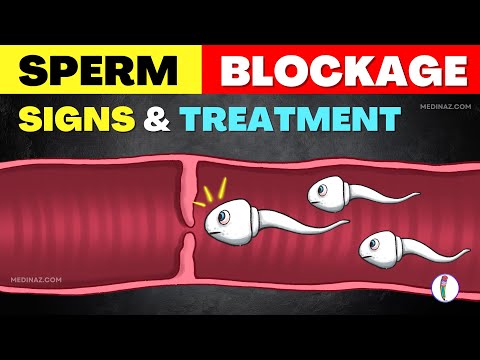
- Surgery: In cases where physical issues block sperm delivery, surgical options might come into play.
- Sperm Retrieval Techniques: For severe cases, assisted reproductive technologies enable retrieval directly from the testicles for use during IUI or IVF.
The Emotional Side
Coping with fertility challenges can be tough on relationships emotionally too. Look—it’s important to talk about feelings with your partner and seek support when needed; whether from friends or professionals specializing in reproductive health.
If you’re facing this situation don’t hesitate—understanding all aspects is key! Awareness allows for proactive steps toward addressing any concerns effectively and compassionately.
Understanding low sperm count, also known as oligospermia, is important because it affects many men and can impact fertility. This condition occurs when a man’s semen contains fewer than 15 million sperm per milliliter. But, you know, it’s not just about numbers; quality matters too.
There are various causes of low sperm count. Factors can range from hormonal imbalances to environmental influences like pesticides or heavy metals. Lifestyle choices play a big role as well—things like smoking, excessive drinking, and poor diet can make a difference.
Treatment options vary based on the underlying cause. Sometimes simple lifestyle changes can help—a healthier diet or quitting smoking might do the trick. In other cases, medications may be needed to address hormonal issues.
The emotional side of this issue shouldn’t be overlooked either. It can affect self-esteem and relationships. Open conversations with partners and healthcare providers are vital for navigating these feelings.
Ultimately, each case is unique, which calls for personalized treatment approaches. Understanding this condition better can lead to more effective solutions and hopefully better outcomes for those affected.