The information provided in this article is intended solely for general informational and educational purposes. It does not constitute medical advice, diagnosis or professional treatment, and should not be considered a substitute for consultation with a qualified doctor or other licensed healthcare professional. Any health-related decisions should be made in consultation with accredited medical professionals.
While efforts have been made to ensure the information is accurate and up to date, no guarantees are given—either express or implied—regarding its accuracy, completeness, currency or suitability. Use of this information is at your own discretion.
It is strongly recommended to consult official sources such as the NHS (National Health Service) or other recognised medical institutions before acting on any information contained on this website or article. Under no circumstances should professional medical advice be ignored or delayed due to content read here.
This content is of a general and informational nature only. It is not intended to replace individualised guidance from a healthcare professional or to establish any doctor-patient relationship. The publication of this information does not imply any professional responsibility, guarantee or obligation on the part of the author or this site.
Have you ever wondered how doctors decide what stage your lung cancer is in? It’s a crucial question. Understanding the stages of lung cancer can feel overwhelming, but it really matters. The stage shapes everything—from treatment choices to survival rates.
Think of it like planning a road trip. If you know the distance and your route, you can better prepare for the journey ahead. Similarly, staging lung cancer provides a roadmap for patients and their families.
This article will break down the different stages of lung cancer, from limited to extensive. We’ll explore what each stage means and how it impacts treatment options. By the end, you’ll have a clearer picture of this complex disease.
But here’s a gentle reminder: while this information aims to help you understand lung cancer better, it doesn’t replace professional medical advice. Health decisions are personal and should always involve discussions with healthcare professionals who know your unique situation.
Your health matters, so let’s dive into lung cancer staging together!
Navigating the Journey Through Lung Cancer: Understanding Each Stage from Diagnosis to Treatment
Navigating the Journey Through Lung Cancer
Lung cancer can feel overwhelming. Understanding the stages helps patients and families make sense of it. Let’s break down each stage, from diagnosis to treatment.
What Are Lung Cancer Stages?
Lung cancer staging explains how far the disease has spread. Think of it like a map. The stages help determine treatment options and prognosis. There are two main types of lung cancer: non-small cell lung cancer (NSCLC) and small cell lung cancer (SCLC).
Stage 0: The Beginning
This stage, sometimes called carcinoma in situ, means the cancer cells are in an early form. They’re usually confined to a small area in the lining of the lung. At this point, it’s often highly treatable, sometimes requiring just local surgery.
Stage I: Localized But Serious
In stage I, the tumor is present but hasn’t spread to nearby lymph nodes or other tissues. It may still be small, but it’s important to act quickly. Treatments may include surgery to remove the tumor or radiation therapy.
Stage II: More Involved
This stage indicates that the cancer has grown larger or possibly spread to nearby lymph nodes, but not beyond that area yet. Treatment could involve a combination of surgery and chemotherapy—this helps address any undetected cells in nearby tissues.
Stage III: Regional Spread
At this point, things get more complicated! The cancer has spread further into nearby lymph nodes or structures in the chest like the pleura (the lining around lungs). There are two sub-stages: IIIA and IIIB. Treatment may focus on a combo of chemotherapy and radiation therapy; sometimes surgery is possible too.
Stage IV: Advanced Disease
This is when lung cancer spreads beyond the lungs to other organs like bones or liver; it can be quite different depending on where it has gone. This doesn’t mean there aren’t treatment options available; target therapy or immunotherapy might be discussed here as well as palliative care for comfort.
The Importance of Staging
Knowing what stage someone is at can help everyone involved – patients, families, doctors – understand what lies ahead. It shapes treatment plans and emotional support strategies too.
Treatment Plans by Stage
- Surgery: Most common for early-stage cancers if they haven’t spread much.
- Chemotherapy: Often used for more extensive disease; it targets fast-growing cells.
- Radiation Therapy: Can destroy remaining cells after surgery or shrink tumors before surgery.
- Targeted Therapy: These therapies aim at specific abnormalities present within your tumor’s DNA; it’s based on genetic testing outcomes.
- Palliative care:This isn’t about curative treatments but rather ensuring quality of life remain high!
Coping with Diagnosis & Treatment Journey
The emotional side of facing lung cancer can be just as challenging as physical symptoms! Support networks play a huge role during this time whether that involves family members attending appointments alongside you or seeking support groups online—people who truly get what you’re going through could become invaluable mentors throughout your own journey!
You know? It’s essential for patients to ask questions—never hesitate about clarifying anything regarding treatments or side effects you may experience with various methods along your course!
No one walks alone during this process; reaching out makes all difference even when feeling alone at times amidst uncertainty surrounding future outcomes!
A Final Thought
Lung cancer staging isn’t just about medical facts—it shapes futures too! Understanding each stage fosters informed decisions which empower both patients & caretakers while navigating tough terrain ahead together!
Understanding the Journey and Emotions of Lung Cancer Progression
Understanding the Journey of Lung Cancer
Lung cancer is a complex disease that can feel overwhelming. It’s essential to break it down into stages, which reflects how advanced the cancer is, and this helps in understanding its progression. There are two main categories: limited-stage and extensive-stage lung cancer. Let’s explore this journey together.
What Are the Stages?
In simple terms, staging refers to how far cancer has spread in the body. Limited-stage lung cancer means it’s contained in one side of the chest. Think of it like a small fire that’s still in one room—easier to manage, right? On the other hand, extensive-stage lung cancer has spread beyond that initial area, much like a fire that has breached multiple rooms.
- Limited Stage: The cancer hasn’t gone beyond certain boundaries, typically is easier to treat.
- Extensive Stage: The cells have often spread throughout both lungs or to other organs—this stage is more challenging.
The Emotional Rollercoaster
The emotional aspect of dealing with lung cancer can’t be overlooked. It’s like being on a rollercoaster; there are highs and lows, moments of hope mixed with fear and uncertainty. Patients often experience anxiety about treatments or outcomes. It’s completely normal to feel overwhelmed at times.
You know, sometimes people find comfort in sharing their feelings with loved ones or support groups. This connection can bring some relief during tough days when everything feels heavy.
Treatment Options
Treatment varies significantly between limited and extensive stages. For limited-stage lung cancer, options might include surgery or localized radiation therapy—think of surgery as clearing out that small fire before it spreads further.
For extensive-stage lung cancer, treatments might focus on managing symptoms through chemotherapy or targeted therapies which aim for specific characteristics of the tumor cells. Here’s where things get tricky; these treatments often come with side effects that can be hard for patients to endure.
Your Role in Understanding
Being informed helps patients make better choices alongside their healthcare team. Ask questions! Share concerns! Understanding your condition empowers you so no need for feeling lost in this journey.
A Friend’s Perspective?
If you know someone going through this battle—as a friend or family member—it can sometimes help just by being there for them without trying too hard to ‘fix’ things all time time; listen actively instead and show support through small gestures.” Sometimes it’s those little things that mean so much!
Coping Strategies
- Mindfulness: Practicing mindfulness or meditation can ease anxiety.”,
- Stay Active: Gentle exercises help maintain strength; even short walks s’good!”,
- Nourishing Food: A balanced diet plays an essential role during treatment.
The Journey Is Unique
No two experiences are alike—you may hear different stories from others who’ve faced lung cancer but keep in mind each journey comes with its own challenges and victories.” Feelings change daily, sometimes hourly—allow yourself space to feel however you’re feeling at any given moment.”
This may be a tough path to walk down but while understanding what happens during lung cancer progression brings clarity.” Knowing what emotions might arise isn’t just part of learning about health—it s also part of being human!”
>
Understanding the Journey Through Lung Cancer: What Each Stage Means for Life Expectancy
Understanding the Journey Through Lung Cancer
Lung cancer can be a complex and tough journey, not just for patients but also for their loved ones. Knowing about the stages of lung cancer helps in understanding what lies ahead in terms of treatment and life expectancy. Let’s break it down.
The Basics of Lung Cancer Staging
Cancer staging is like mapping out where a fire is inside a house. It shows how far the cancer has spread, which affects treatment choices and outlook. Generally, lung cancer is categorized into two main types: limited-stage and extensive-stage.
Limited Stage
In limited stage lung cancer, the disease is mainly confined to one side of the chest. It means that the tumor is localized, typically allowing for more focused treatment options. Look at it this way: it’s like having just one room on fire; firefighters can concentrate their efforts there.
Patients with limited-stage small cell lung cancer (SCLC) may have better outcomes because they’re often eligible for aggressive treatments like chemotherapy or radiation. Life expectancy here varies a lot based on individual circumstances but can be relatively favorable if caught early.
Extensive Stage
On the flip side, extensive stage lung cancer means that it has spread beyond its original location—possibly to other parts of the body like lymph nodes or organs. This is similar to a fire starting to spread throughout multiple rooms or even outside the house; it’s much harder to control.
This stage often brings about more challenging treatment approaches and usually points towards lower survival rates compared to limited stage. The focus might shift from curative intentions to palliative care, which aims to improve quality of life rather than eliminate the disease.
Life Expectancy Insights
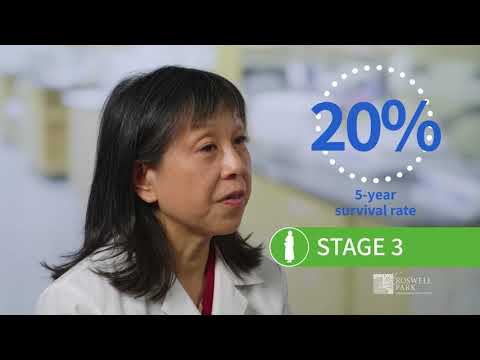
You might wonder how these stages influence life expectancy specifically. For limited-stage SCLC patients, studies show five-year survival rates can be around 20% to 30%. In contrast, extensive-stage patients face lower rates—often reported around 1% to 5%. But remember, these are averages; individual experiences can vary widely based on many factors.
The Importance of Individual Factors
A number of personal factors come into play as well—like age, overall health status, response to treatment options, and other co-existing health conditions. If someone works closely with their healthcare team and accesses support systems effectively, they may experience different outcomes than general statistics suggest.
Myths vs Facts
There’s an abundance of myths surrounding lung cancer that can create confusion. Some folks believe all lung cancers are instantly terminal—this simply isn’t true! Early detection dramatically changes prospects for many people diagnosed with various stages.
Another common misconception? That lifestyle alone determines outcome. While habits like smoking do affect risk levels significantly—and your healthcare team will address them—everyone’s journey through this disease remains unique.
Your Support System Matters Too
Navigating this road is no easy feat—it’s essential not only for patients but for caregivers as well to seek emotional support during challenging times. Connecting with groups or individuals who’ve had similar experiences can provide comfort and valuable insights along the way.
The Road Ahead
No matter where someone finds themselves in this journey through lung cancer—a lot depends on timely diagnosis and tailored treatments designed specifically for their needs. And while challenges are real, maintaining hope and engaging actively with medical professionals can make all the difference!
Understanding Lung Cancer Stages: From Limited to Extensive
Lung cancer staging can feel overwhelming, but grasping the basics helps demystify the process. Staging tells us how far cancer has spread in the body, which is crucial for treatment decisions. Generally, lung cancer is categorized into two main types: small cell lung cancer (SCLC) and non-small cell lung cancer (NSCLC).
SCLC is typically classified as either “limited” or “extensive.” In limited stage, cancer is confined to one side of the chest and can often be treated with localized therapies like radiation and chemotherapy. Think of it like a small fire that hasn’t spread too much; there’s potential to extinguish it before it gets out of hand.
Extensive stage means that cancer has spread beyond the lungs to other parts of the body. At this point, treatment becomes more complex, aiming primarily at managing symptoms and improving quality of life rather than curing. It’s similar to trying to contain a wildfire—much harder when it’s already out in different directions.
Understanding these stages isn’t just about technicality; it’s personal. Patients can feel more empowered when they know what stage their cancer is in. It opens a channel for honest dialogue with healthcare providers about prognosis and treatment options.
Moreover, early detection plays a vital role in outcomes. Regular screenings, especially for high-risk groups like smokers or those with a family history of lung disease, can lead to earlier intervention.
Ultimately, understanding these classifications helps foster hope and informed decision-making. Every journey with lung cancer is unique; knowledge about staging serves as one tool in navigating that path.