The information provided in this article is intended solely for general informational and educational purposes. It does not constitute medical advice, diagnosis or professional treatment, and should not be considered a substitute for consultation with a qualified doctor or other licensed healthcare professional. Any health-related decisions should be made in consultation with accredited medical professionals.
While efforts have been made to ensure the information is accurate and up to date, no guarantees are given—either express or implied—regarding its accuracy, completeness, currency or suitability. Use of this information is at your own discretion.
It is strongly recommended to consult official sources such as the NHS (National Health Service) or other recognised medical institutions before acting on any information contained on this website or article. Under no circumstances should professional medical advice be ignored or delayed due to content read here.
This content is of a general and informational nature only. It is not intended to replace individualised guidance from a healthcare professional or to establish any doctor-patient relationship. The publication of this information does not imply any professional responsibility, guarantee or obligation on the part of the author or this site.
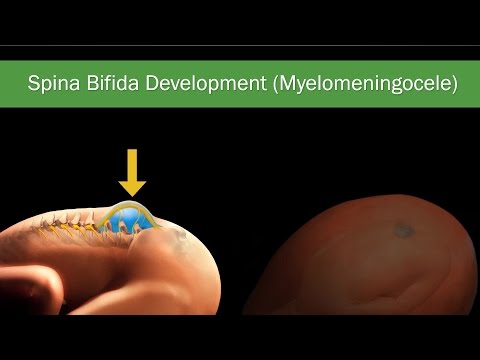
Have you ever come across the term “meningocele” and wondered what it actually means? You’re not alone! Many people are surprised to learn about conditions affecting the spine, especially when they involve our little ones. A meningocele is a type of spina bifida, where protective membranes around the spinal cord don’t close properly. This can lead to some significant challenges.
The good news is that there’s a procedure called meningocele repair, which is aimed at helping those impacted. Understanding this procedure matters because it can have a real impact on someone’s quality of life. You might be feeling concerned or confused about what this surgery involves and why it’s necessary.
This article breaks down the purpose behind meningocele repair, how the procedure is performed, and what recovery looks like afterwards. It’s important to approach these topics with care and empathy since they can be overwhelming to navigate.
Remember, while this information is here to help you understand better, it doesn’t replace professional medical advice. Health decisions should always involve a conversation with healthcare experts who can provide guidance tailored to individual needs.
A Journey Toward Healing and Hope for Newborns
Many parents face uncertainty when their newborn is diagnosed with meningocele. It’s a type of spina bifida where the protective membranes around the spinal cord bulge through an opening in the spine. This can understandably cause worry.
So, what’s the purpose of meningocele repair? Essentially, it aims to protect the spinal cord and nerves from injury. The procedure also helps to reduce the risk of infections that can be associated with these types of conditions.
The Procedure
During meningocele repair, a skilled surgical team carefully closes the opening in your baby’s spine. This often involves making an incision to access the bulging membranes. They then take steps to secure everything back into place and minimize any damage.
This is usually done within days after birth because early intervention can help improve outcomes. Sometimes, babies might need additional support post-surgery, depending on individual circumstances.
What About Recovery?
Recovery can vary for every baby. Honestly, some might bounce back quickly while others may take more time. After surgery, your little one will be monitored closely in a special care unit.
Parents often wonder about signs of healing or complications. Generally speaking, you’re looking for things like improved movement or any redness around the surgical site that doesn’t seem right.
A Real-Life Example
Consider a family whose newborn underwent meningocele repair. Initially scared about possible complications, they found comfort in seeing their baby respond well to treatment over time and grow stronger day by day.
Support Matters
The journey doesn’t end with surgery—the emotional aspect is equally crucial. Parents usually benefit from connecting with support groups where they share experiences and advice with others facing similar challenges.
This whole experience teaches resilience not just for babies but also for families as they navigate this difficult time together.
- The role of pediatric specialists remains vital throughout recovery.
- Regular follow-up appointments help track developmental milestones.
- Don’t hesitate to ask questions—your healthcare team is there to help!
If you are ever uncertain about anything regarding your child’s situation or treatment plan—just speak up! Open dialogue leads to better understanding and care overall.
This journey toward healing is all about hope: hope for recovery and an improved future for your little one.
Revolutionizing Hope: A New Approach to Myelomeningocele Repair
Understanding Myelomeningocele Repair
Myelomeningocele is a type of spina bifida. It occurs when a baby’s spine doesn’t close completely during pregnancy. This can lead to serious complications, including nerve damage and mobility issues. So, what can be done about it?
The Purpose of Repair
The primary goal of myelomeningocele repair is to protect the spinal cord and nerves from further injury. Often, folks might wonder why this is so important. Well, think about it like this: protecting the wires in an electrical system. If those wires are damaged, the whole system may not work properly.
The Procedure
Surgical repair usually takes place shortly after birth. During the surgery, doctors will close the opening in the spine and cover it with skin tissue. Sometimes they might also place a shunt if complications like hydrocephalus (fluid build-up in the brain) are present.
Now, there’s been some buzz around techniques that happen before birth—called fetal surgery. This approach aims to repair myelomeningocele even before the baby is born! It’s pretty groundbreaking stuff and can potentially lead to better outcomes.
Recovery After Repair
After surgery, recovery varies from one child to another but generally involves some hospital stay for monitoring. Parents often need support as they learn how to care for their newborn post-surgery.
Physical therapy could also play a role in recovery later on. The reason for this is simple: strengthening muscles and improving mobility are key factors in helping children reach their developmental milestones.
Why Is This Important?
You know, many families feel overwhelmed facing challenges related to myelomeningocele. New approaches like fetal surgery offer hope! But it’s important that each family work closely with healthcare providers to understand all options available.
A Word on Research
The field of medicine constantly evolves through research. Studies continue exploring ways improve surgical techniques and outcomes for conditions like myelomeningocele.
Encouraging Critical Thinking
It’s natural for parents or caregivers to have questions or concerns about these procedures. Don’t hesitate; ask your healthcare team about what you don’t understand! Seeking information can help navigate decisions ahead.
- What’s right for one child might not be right for another.
- Your feelings and concerns matter—trust your instincts!
- This journey requires emotional support too; you’re not alone!
Misinformation Alert!
A lot of myths surround medical conditions like myelomeningocele repair. Some people believe certain treatments are miracle solutions because they read about them online or heard something from friends at coffee shops! Always check reliable sources or consult with professionals who are up-to-date with current practices.
Navigating options on conditions like myelomeningocele can be tough! But staying informed helps you make better choices along the way.onfidently move forward together as a family!
A Life-Changing Procedure for Spinal Health and Mobility
Meningocele repair is a surgical procedure that addresses a specific type of spinal condition called meningocele. This condition occurs when the protective coverings of the spinal cord, known as meninges, bulge out through an opening in the spine. It’s one kind of spinal dysraphism, which can affect mobility and overall health.
What’s the Purpose?
The main goal of meningocele repair is to protect the spinal cord and nerves. By closing the opening in the spine, it helps prevent infections and further nerve damage. Think of it as patching up a hole in a wall to keep out pests. This procedure also aims to improve mobility and reduce complications in areas like bladder and bowel control.
How Does It Work?
The procedure generally involves several steps. First, a surgeon makes an incision on the back where the meningocele is located. Then, they gently push any protruding tissue back into place before closing it up with sutures or staples. This might sound scary, but most patients go under general anesthesia, so they won’t feel anything during surgery.
Surgeons usually perform this operation in infancy or early childhood when issues are identified early on. The earlier it’s done, often leads to better outcomes for mobility.
What Happens During Recovery?
Recovery can vary from person to person but typically includes staying in the hospital for monitoring after surgery. Pain management is essential during this period as some discomfort may occur at the surgical site.
After being discharged, pediatric physical therapy is often recommended. Therapists help kids regain strength and movement skills over time. Sometimes children may still need extra support like braces or assistive devices as they grow.
Common Concerns
You might wonder what complications could arise from this procedure. Well, infections or fluid buildup at the surgical site are concerns worth noting. That said, many children who undergo meningocele repair lead active lives with no serious issues afterward.
If you’re curious about long-term outcomes—many children do see improvements in their abilities over time thanks to rehabilitation efforts post-surgery.
The Bottom Line
Meningocele repair can be a pivotal step toward improving quality of life for those affected by this condition by safeguarding their spinal health and boosting mobility potential later on.
It’s essential to have open conversations with healthcare providers about individual situations since each case has its own uniqueness and needs reassessment moving forward!
Understanding Meningocele Repair: Purpose, Procedure, and Recovery
Meningocele repair is a surgical procedure aimed at addressing a specific type of spinal defect called meningocele. This condition arises when the protective layers surrounding the spinal cord—known as the meninges—protrude through an opening in the spine. It’s crucial because untreated meningocele can lead to serious complications, including nerve damage and infection.
The purpose of the repair is to close this opening, thereby protecting the spinal cord and nerves. The procedure typically involves a neurosurgeon who carefully repositions the affected tissues and stitches them back into place. Sometimes there’s a need for additional interventions if there are other associated issues like hydrocephalus.
The recovery process can vary based on age and overall health. Generally, it includes hospitalization for monitoring, followed by gradual increases in activity levels supervised by healthcare professionals. Support from family is often beneficial during this time as emotional wellbeing plays a significant role in recovery.
It’s important to understand that while surgery significantly reduces risks associated with meningocele, follow-up care—physiotherapy or ongoing medical assessments—may still be necessary to address any long-term effects or developmental issues that can arise afterward.