The information provided in this article is intended solely for general informational and educational purposes. It does not constitute medical advice, diagnosis or professional treatment, and should not be considered a substitute for consultation with a qualified doctor or other licensed healthcare professional. Any health-related decisions should be made in consultation with accredited medical professionals.
While efforts have been made to ensure the information is accurate and up to date, no guarantees are given—either express or implied—regarding its accuracy, completeness, currency or suitability. Use of this information is at your own discretion.
It is strongly recommended to consult official sources such as the NHS (National Health Service) or other recognised medical institutions before acting on any information contained on this website or article. Under no circumstances should professional medical advice be ignored or delayed due to content read here.
This content is of a general and informational nature only. It is not intended to replace individualised guidance from a healthcare professional or to establish any doctor-patient relationship. The publication of this information does not imply any professional responsibility, guarantee or obligation on the part of the author or this site.
Have you ever felt a strange bump in your knee and wondered if it was something serious? It’s not uncommon to worry about odd lumps or swelling in our bodies. In fact, many people experience them at some point. One such issue that might come up is a meniscal cyst.
You may be asking, what exactly is a meniscal cyst? Well, it’s a fluid-filled sac that can develop near the knee joint due to various factors. They often go unnoticed until they start causing discomfort or limiting movement.
This article dives deep into understanding meniscal cysts—what they are, their symptoms, causes, and how to care for them. Knowing more about this condition can help you recognize when to seek medical advice.
Your health is super important! Remember that while this information is here to help you learn, it doesn’t replace professional medical advice. It’s always smart to consult with a healthcare provider before making any health decisions.
Understanding Your Options for Meniscus Cyst Relief
Understanding Meniscus Cysts
Meniscus cysts, you know? They’re small fluid-filled sacs that can develop in your knee. Often, these cysts form alongside a tear in the meniscus, which is the cartilage that cushions your knee joint. It’s important to recognize them and understand what they mean for your health.
Symptoms of Meniscus Cysts
So, how do you know if you have one? Well, people usually experience swelling or a lump near the joint. Sometimes there’s pain too, especially during movement. It’s kind of like having a water balloon in your knee—when you move it can hurt!
Causes of Meniscus Cysts
The main reason for these cysts? Typically they arise from knee injuries or degenerative changes due to aging. Imagine wearing out a soft sponge—eventually, it gets holes and starts leaking water. That’s similar to what happens with menisci as we age or get injured.
Caring for Meniscus Cysts
If you’re dealing with this issue, there are options available for relief. Resting the knee can help reduce discomfort and swelling. Ice packs are also useful; think of them as nature’s way of soothing an injury.
- Physical Therapy: This involves exercises tailored to strengthen surrounding muscles and improve flexibility.
- Medication: Over-the-counter pain relievers might be recommended to ease any pain.
- Surgery: In some cases, if a cyst is particularly troublesome or persistent, surgical intervention might be necessary.
- Aspiration: A healthcare professional may drain the fluid from the cyst with a needle; this provides temporary relief but might not fix the root cause.
Your Options Moving Forward
The thing is, everyone’s situation is different. Some may find relief with simple home remedies while others might need medical intervention. It’s crucial to consult with someone who knows about these issues—like a healthcare provider—to discuss what’s right for you.
Mistakes and Myths
A common misconception is that all meniscal cysts require surgery right away—that’s not true! Many can be managed effectively without invasive procedures. Plus, not every bump on your knee means surgery is looming around the corner!
A Final Note
Learining about meniscal cysts can empower you when dealing with any bothersome symptoms in your knees. Stay informed—and don’t hesitate to reach out for help when needed! Your health is important!
Unraveling the Mysteries of Knee Pain: Understanding Baker’s Cysts and Meniscus Cysts
Understanding Knee Pain: Baker’s Cysts and Meniscus Cysts
Knee pain can be a real drag. Often, two culprits behind this discomfort are Baker’s cysts and meniscus cysts. Let’s unravel what they are, their symptoms, causes, and how you can manage them.
Baker’s Cyst Explained
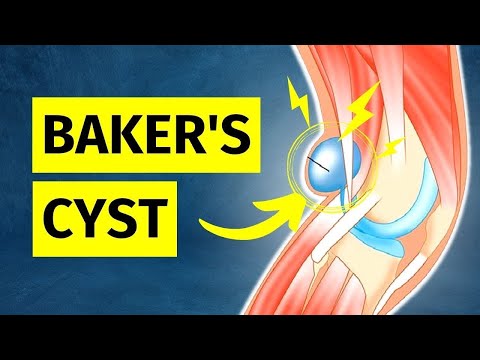
A Baker’s cyst is a fluid-filled sac that forms behind your knee. Think of it like a balloon filled with water, which occurs when there’s extra fluid in the knee joint. This usually happens because of arthritis or injury.
You might notice swelling at the back of your knee. Sometimes it feels tight or even painful. You could also find it hard to fully bend your leg. It’s important to keep an eye on it but remember that not everyone feels pain from these cysts.
Meniscus Cyst Defined
Now let’s talk about meniscus cysts. These develop near the cartilaginous meniscus in your knee, which plays a key role in cushioning and stabilizing the joint. Picture it like padding in between two pieces of furniture that keeps them from knocking into each other.
If you’ve had a knee injury—like a twist or fall—that can lead to tearing of the meniscus, sometimes a cyst will form as well. Symptoms might include swelling or pain on the side of the joint affected; it’s not uncommon for these feelings to come and go depending on activity level.
Causes Behind These Cysts
- Baker’s Cysts: Most often linked to arthritis or previous injury.
- Meniscus Cysts: Typically arise after trauma like twisting injuries or age-related wear and tear.
Managing Symptoms
If you notice any symptoms relating to either type of cyst, it’s useful to rest and ice the area for comfort. Elevating your leg can help too! Over-the-counter pain relievers may assist with discomfort as well.
When To Seek Help
If swelling does not go down, or if you’re experiencing increased pain or difficulty walking, reaching out for medical advice is wise. They might suggest imaging tests like an MRI to better understand what’s happening inside your knee.
Myths & Misconceptions
A common misconception is that once you have a Baker’s or meniscus cyst, surgery is necessary always; that’s not true! Many people manage their symptoms without going under the knife.
Also, some believe that resting completely is best; however, gentle movement might prove beneficial by keeping mobility intact while avoiding stiffnes.
The bottom line? While both Baker’s and meniscus cysts can be an inconvenience when knee pain arises focus on understanding your body signs rather than jumping straight into conclusions about treatment options!
Understanding Meniscal Cysts: When Size Matters in Joint Health
What are Meniscal Cysts?
Meniscal cysts are fluid-filled sacs that usually develop alongside the meniscus in your knee. The meniscus is that tough cartilage, you know? It acts like a cushion between your thigh bone and shin bone, helping with movement and absorbing shock.
Cysts can form when there’s an injury. Sometimes, they develop if your knee is under repeated stress. It’s like if you kept pressing on a sponge; eventually, it might get weak and form little pockets of water.
Symptoms to Watch For
You might not notice anything at first. But some people feel swelling or tenderness around the cyst area. If it gets big enough, it could block movement or cause pain during activities like bending or squatting.
For many, these symptoms aren’t severe. But they can be irritating enough to make you want to seek help.
Why Does Size Matter?
The size of a meniscal cyst often indicates how problematic it might be. Small cysts can sometimes go unnoticed and don’t require treatment. Larger ones, however, could press on surrounding tissues or ligaments, leading to more pain and issues.
Think of it this way: a small pebble in your shoe isn’t too much trouble but a bigger rock? That’s gonna hurt!
Causes of Meniscal Cysts
- Tear in the Meniscus: A tear in the cartilage can lead fluid to accumulate.
- Aging: As we age, our cartilage weakens which may set the stage for cysts.
- Repetitive Stress: Frequent activities that put pressure on the knee can contribute.
- Poor Alignment: Misalignment in joints may add unwanted strain leading to tears and subsequent cysts.
Caring for Meniscal Cysts
If you’re dealing with discomfort from a meniscal cyst, consulting with someone who knows about joint health is key. They may suggest options based on size and symptoms—ranging from rest to physical therapy or even surgery if necessary.
A little ice during flare-ups can help with swelling too! It’s like giving your knee a cold drink after running; refreshing!
The Bottom Line
Your joint health is super important! Understanding what meniscal cysts are—along with their causes and symptoms—can empower you to take better care of your knees. Remember: staying active within comfort limits can help keep those joints happy!
Understanding Meniscal Cysts: Symptoms, Causes, and Care
Meniscal cysts are fluid-filled sacs that develop in or around the meniscus, which is the cartilage in your knee. These cysts can cause a range of symptoms and can be linked to various underlying issues.
The most common symptom is pain or swelling around the knee. People often describe it as discomfort during certain movements, like bending or straightening the leg. Sometimes you might also feel a lump on the outer side of your knee.
So, what causes these cysts? They usually form due to a tear in the meniscus. When there’s damage, fluid can escape into surrounding tissues and create a cyst. It’s like a balloon forming when water seeps out from a small hole.
In terms of care, treatment options vary based on severity. Some people may benefit from rest and ice to reduce inflammation. Physical therapy can help improve strength and flexibility too.
If symptoms persist or worsen, surgical intervention might be considered to remove the cyst or repair any meniscal tears. The goal here is to restore function and alleviate pain.
Understanding these issues early on can lead to better outcomes. So if you notice any persistent knee pain or swelling, it’s worth discussing it with a healthcare provider.
Overall, while meniscal cysts can be bothersome, they are manageable with appropriate care and attention.