The information provided in this article is intended solely for general informational and educational purposes. It does not constitute medical advice, diagnosis or professional treatment, and should not be considered a substitute for consultation with a qualified doctor or other licensed healthcare professional. Any health-related decisions should be made in consultation with accredited medical professionals.
While efforts have been made to ensure the information is accurate and up to date, no guarantees are given—either express or implied—regarding its accuracy, completeness, currency or suitability. Use of this information is at your own discretion.
It is strongly recommended to consult official sources such as the NHS (National Health Service) or other recognised medical institutions before acting on any information contained on this website or article. Under no circumstances should professional medical advice be ignored or delayed due to content read here.
This content is of a general and informational nature only. It is not intended to replace individualised guidance from a healthcare professional or to establish any doctor-patient relationship. The publication of this information does not imply any professional responsibility, guarantee or obligation on the part of the author or this site.
Ever had a cold that just wouldn’t go away? You know, with that annoying runny nose and scratchy throat? It might be nasopharyngitis, a common but often overlooked condition.
This inflammation in the upper part of your throat can feel pretty miserable. It’s like your body is throwing a mini protest against annoying viruses or bacteria. You’re not alone—millions deal with this every year, and understanding it can make all the difference.
In this article, we’ll break down the key symptoms, from nasal congestion to sore throats. Plus, we’ll explore some effective treatments to help you get back on track. But here’s the thing: while this information is helpful, it doesn’t replace professional medical advice. It’s important to reach out to a healthcare provider for personalized guidance.
So let’s dive in and shed some light on nasopharyngitis! Understanding what’s happening in your body is empowering and can really affect how you feel.
Effective Strategies for Easing Symptoms and Promoting Recovery
Understanding Nasopharyngitis: Key Symptoms and Treatments
Nasopharyngitis, often called the common cold, affects the upper respiratory tract. It’s one of those things that just about everyone gets at some point. No surprise that it can be annoying! The main symptoms include a runny or stuffy nose, sore throat, cough, and sometimes a headache.
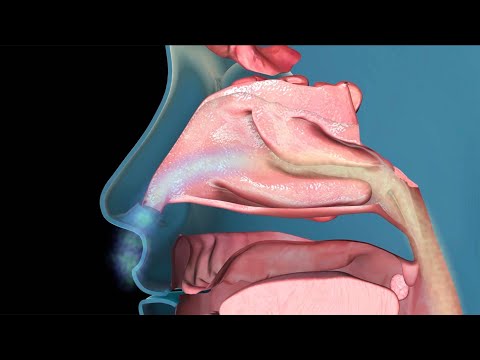
When you catch a cold, your immune system kicks into gear. It’s like sending in the troops to fight off the invaders—germs in this case. This battle causes inflammation and irritation in your nasopharynx (that’s just a fancy word for the area behind your nose and mouth).
Managing Symptoms
Easing symptoms is mostly about comfort during recovery. You know how you love curling up with some hot tea when you’re feeling under the weather? That’s because warm fluids help soothe your throat and keep you hydrated.
- Rest: Your body needs energy to fight off infection.
- Hydration: Water or herbal teas are great options.
- Pain Relief: Over-the-counter pain relievers can reduce discomfort.
- Nasal Saline Sprays: These help clear nasal congestion without medicine.
You might also consider using a humidifier at night. Dry air can make symptoms feel worse by irritating your throat and nasal passages. Just think of it as adding some moisture back into the air—kind of like putting water on dry soil to help plants grow!
Treatments To Consider
The thing is, antibiotics don’t work here since nasopharyngitis is usually caused by viruses, not bacteria. So instead of rushing to grab those pills, focus on supportive care.
You could also try throat lozenges or sprays for quick relief from soreness and irritation. Just remember that while they might make your throat feel better temporarily, they don’t shorten the illness itself!
When To Seek Help
If you notice something unusual—like high fevers lasting more than a few days or difficulty breathing—it’s time to reach out for professional guidance. Sometimes what seems like a common cold could be leading to something more serious.
- Persistent high fever:
- Coughing up blood:
- Sore throat lasting longer than 10 days:
This doesn’t mean every little symptom requires an urgent visit but being mindful can help catch potential complications early on.
A Final Thought
The journey through nasopharyngitis often ends with full recovery in about a week or so—sometimes less! In the meantime, give yourself permission to rest and heal; after all, even superheroes need downtime now and then!
Discover the Telltale Signs That You Might Be Catching a Cold
Understanding Nasopharyngitis
Nasopharyngitis, more commonly known as a cold, is an inflammation of the nasal passages and throat. It’s usually caused by viruses. When you catch one, your body reacts with symptoms that can feel pretty uncomfortable.
Common Symptoms
So, what are the signs that you might be catching a cold? Think about these:
- Sore throat: You might feel scratchy or painful when swallowing.
- Runny or stuffy nose: Your nose could become a bit of a faucet—or totally blocked.
- Coughing: A persistent cough often follows as your body tries to clear mucus.
- Sneezing: This common reflex helps get rid of irritants in your nose.
- Mild headache: Sometimes, it feels like there’s pressure building in your head.
- Tiredness: You may feel unusually fatigued—like your energy is zapped!
Why Do These Symptoms Occur?
Your immune system kicks into gear. It sends out white blood cells and chemicals to fight off the invading virus. This response can lead to inflammation and those pesky symptoms. It’s like having an army working hard while you’re at home trying to relax.
Treating a Cold
Treatment for nasopharyngitis usually focuses on relieving symptoms. Rest is important—your body needs energy to fight off the virus! Staying hydrated helps too; fluids thin mucus and soothe a sore throat.
You may want over-the-counter medications for pain relief or decongestion. But here’s the thing: they won’t cure the cold; they just help you feel better while it runs its course, which usually lasts about a week or so.
Myths About Colds
A lot of folks say there’s no such thing as “catching” a cold purely from being cold or wet outside. Sure, chilly weather can lower your immune response slightly, but colds are mostly passed through viruses from person to person—like on doorknobs or through sneezes!
If you’re showing signs of a cold but also have fever or severe symptoms lasting longer than expected, it’s wise to talk with someone who knows more about it. They can help sort out what’s going on because sometimes similar symptoms could signal something else entirely.
The Bottom Line
Catching a cold happens to most people at some point. Know the signs and try some simple home remedies for relief. Just remember it’ll take time—allow yourself that patience! Look after yourself, listen to your body, and if you’re unsure, reach out for advice from someone who can help.
Uncovering the Signs and Signals of Nasopharyngeal Infections
Understanding Nasopharyngitis: Key Symptoms
So, let’s talk about nasopharyngitis. Sounds complicated, right? But it’s actually just a fancy word for an inflammation of the nasopharynx, which is part of your throat located behind your nose.
Typically, this kind of infection is caused by viruses. Think about the common cold—it often leads to symptoms that can feel quite annoying but usually resolve on their own.
Common signs include:
- Sore throat
- Nasal congestion or runny nose
- Coughing
- Post-nasal drip (that feeling where mucus drips down the back of your throat)
- Slight fever
How Does It Happen?
You might wonder how you get a nasopharyngeal infection. Well, these infections are often spread through respiratory droplets when someone sneezes or coughs. It’s like sharing air with someone who has a cold—yuck!
Treatments and Relief Options
Now, since most cases are viral, treatments focus on relieving symptoms rather than eliminating the virus itself. You know how when you have a cold you just want to feel better? Here are some ways people usually cope:
- Staying hydrated—drink lots of fluids.
- Using saline nasal sprays to help with congestion.
- Taking over-the-counter pain relievers to ease discomfort.
- Gargling warm salt water for that sore throat relief.
A Few Things to Keep in Mind
If it seems like your symptoms aren’t getting better after a week or so—or if they worsen—you might want to check in with someone who knows better. Sometimes what starts as something minor can trigger more significant concerns like bacterial infections.
Myths vs. Facts
A common myth is that antibiotics can treat viral infections like nasopharyngitis. The fact is antibiotics only work against bacteria, not viruses! So taking them won’t really help and can lead to other issues down the line, such as antibiotic resistance.
The Bottom Line
Naso-whatever sounds intimidating but really it’s just part of your body reacting to illness. Most people heal on their own with time and supportive care—kind of like letting nature take its course!
If you’re feeling unsure or if symptoms change significantly, consulting a healthcare professional is always a good step forward.
Nasopharyngitis, commonly known as the common cold, is a viral infection that affects the upper respiratory tract. It’s something most people experience at least once in their lives. Understanding its symptoms can help you manage it better.
Typical symptoms include a runny or stuffy nose, sore throat, cough, and sometimes fever. These signs are usually mild and resolve within a week or two. The immune system kicks into gear to fight off the virus. This is a normal process.
Treatments for nasopharyngitis focus on relief rather than cure since antibiotics don’t work against viruses. Over-the-counter medications like decongestants can ease congestion, while fluid intake helps keep you hydrated.
Rest is vital too—your body needs energy to heal. So, if you feel under the weather, allow yourself some downtime. And it’s always good to remember hygiene practices like washing hands regularly to prevent spreading the virus.
Overall, understanding nasopharyngitis equips us with knowledge to alleviate symptoms and recover faster while acknowledging that it’s mostly self-limiting.