The information provided in this article is intended solely for general informational and educational purposes. It does not constitute medical advice, diagnosis or professional treatment, and should not be considered a substitute for consultation with a qualified doctor or other licensed healthcare professional. Any health-related decisions should be made in consultation with accredited medical professionals.
While efforts have been made to ensure the information is accurate and up to date, no guarantees are given—either express or implied—regarding its accuracy, completeness, currency or suitability. Use of this information is at your own discretion.
It is strongly recommended to consult official sources such as the NHS (National Health Service) or other recognised medical institutions before acting on any information contained on this website or article. Under no circumstances should professional medical advice be ignored or delayed due to content read here.
This content is of a general and informational nature only. It is not intended to replace individualised guidance from a healthcare professional or to establish any doctor-patient relationship. The publication of this information does not imply any professional responsibility, guarantee or obligation on the part of the author or this site.
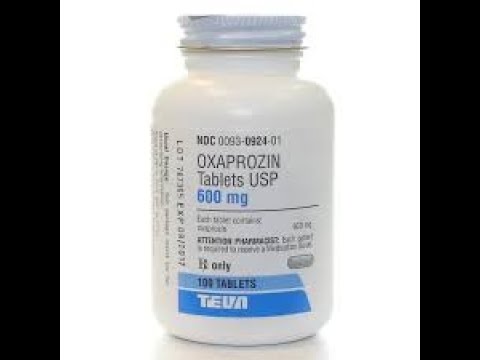
Have you ever felt a nagging pain that just wouldn’t go away? It’s frustrating, isn’t it? Many people turn to medications for relief, and one of those options is oxaprozin. This drug is part of a class known as nonsteroidal anti-inflammatory drugs (NSAIDs). It helps reduce pain and inflammation, making it a popular choice for conditions like arthritis.
But, are you aware of the potential side effects? Like any medication, oxaprozin comes with its own set of considerations. Knowing what they are can really help you make informed choices about your health.
This article will break down the uses, possible side effects, and important information about oxaprozin in an approachable way. You’ll find out how it works and why it matters for managing pain effectively.
It’s crucial to remember that this article doesn’t replace medical advice. Health decisions should never be made solely based on written content like this. Always consult your healthcare professional before starting or changing any medication regimen.
Uncovering the Hidden Risks of this Pain Relief Medication
Understanding Oxaprozin
Oxaprozin is a nonsteroidal anti-inflammatory drug (NSAID). You might have heard of NSAIDs like ibuprofen or aspirin. They help reduce pain, fever, and inflammation. Oxaprozin specifically is often prescribed for conditions like arthritis.
How it Works
The thing is, oxaprozin works by inhibiting certain enzymes in your body called cyclooxygenases (COX). These enzymes are involved in making chemicals called prostaglandins, which promote inflammation and pain. So, by blocking COX, oxaprozin decreases these painful signals.
Common Uses
- Treating arthritis symptoms
- Pain relief for other inflammatory conditions
- Often taken once daily due to its longer action compared to other NSAIDs
Possible Side Effects
No medication comes without risks. While many people tolerate oxaprozin well, some may experience side effects. Common ones include:
- Nausea or stomach upset
- Dizziness or drowsiness
- Headaches
Serious Risks to Consider
Now, let’s talk about the hidden risks. Long-term use of oxaprozin can lead to gastrointestinal issues like ulcers or bleeding. It can also increase the risk of heart attack and stroke, especially in those with existing cardiovascular problems.
If you have kidney problems or if you’re taking medications that affect kidney function, it’s important to discuss these with your provider because oxaprozin could potentially worsen those issues.
A Few Myths About NSAIDs
You might hear things like NSAIDs are completely harmless because they are over-the-counter medications. That’s not true! They can indeed cause significant health problems if misused.
Cautions When Taking Oxaprozin
- Avoid alcohol while using this medication; it can irritate the stomach lining.
- If you’re pregnant or breastfeeding, consult your healthcare provider before starting it.
- Always take the lowest effective dose for the shortest time necessary to manage pain.
Your Role in Managing Risks
You know what? Communication is key when using any medication. Don’t hesitate to voice any concerns you have with your healthcare provider. They can help weigh the benefits against the potential risks for your specific situation.
In conclusion – okay maybe that was too formal – just remember that while oxaprozin can be an effective pain-reliever for some people, being informed about its risks is essential! Understanding how it works and being aware of side effects helps you make better choices about your health care regimen.
Uncovering the Reasons Behind the Withdrawal of a Pain Relief Option
Understanding Oxaprozin
Oxaprozin is a nonsteroidal anti-inflammatory drug (NSAID). It’s used to relieve pain, swelling, and inflammation. People often take it for conditions like arthritis or other musculoskeletal disorders. So, why might this medication be withdrawn from the market?
Reasons for Withdrawal
Hey, look, there are several reasons behind a medication being withdrawn. Sometimes it’s due to safety concerns. For instance, if new studies reveal serious side effects that weren’t known before.
- Side Effects: Common side effects of oxaprozin include stomach issues like ulcers or bleeding. If these risks become too significant compared to its benefits, it might be removed.
- Efficacy: If research shows it isn’t as effective as other alternatives out there, companies may decide to withdraw it.
- Market Demand: Sometimes medications are withdrawn simply because there’s not enough demand or profit in keeping it on the shelves.
The Importance of Monitoring
The thing is, monitoring a drug’s safety and effectiveness doesn’t stop after it’s approved. It continues as long as it’s being used by patients. If unexpected problems arise during this phase, action can be taken quickly.
Your Role as a Patient
If you’re someone who’s been prescribed oxaprozin or any medication really—it’s crucial to stay informed. Talk openly with your healthcare provider about any concerns you have regarding your medications.
A Real-life Perspective
Imagine you’re enjoying a family picnic and suddenly develop back pain. You use oxaprozin thinking it’ll help you enjoy the day more comfortably. But let’s say reports come out about significant side effects recently discovered—like severe stomach bleeding that some patients experienced—then you’d want to reconsider your choice.
alert( Don’t forget: always check with reliable sources regarding medications. )
This highlights why staying updated on health news is important; withdrawal decisions can affect how individuals manage their conditions daily.
Conclusion: Stay Informed!
Meds like oxaprozin play essential roles in managing pain but also come with risks that everyone should be aware of. Keeping an open line of communication with your healthcare team helps ensure that you’re receiving care that’s right for you during these changes.
A Closer Look at Pain Relief: Comparing Oxaprozin and Ibuprofen
When you’re dealing with pain or inflammation, you might come across different medications. Oxaprozin and ibuprofen are two options that often come up. Both are nonsteroidal anti-inflammatory drugs (NSAIDs). But they have some differences that may help you decide which one is right for you.
Understanding Oxaprozin
Oxaprozin is used to relieve pain and inflammation in conditions like arthritis. It works by blocking certain enzymes in your body called cyclooxygenases (COX). These enzymes play a role in producing substances known as prostaglandins, which are involved in pain and swelling.
One of the things about oxaprozin is its long half-life. This means it stays in your system longer compared to ibuprofen, so people might take it less often, usually once a day. But this can also mean that side effects may linger longer too.
Ibuprofen Basics
Ibuprofen is one of the most commonly used over-the-counter medications for pain relief. It’s popular for headaches, muscle aches, arthritis, and even fever reduction. Like oxaprozin, ibuprofen also works by inhibiting COX enzymes to reduce inflammation.
The half-life of ibuprofen is shorter than that of oxaprozin, typically around 2-4 hours. So you might find yourself taking it every few hours when needed. Many people appreciate this quick action when they experience sudden pain.
Side Effects: What to Expect
No medication comes without potential side effects. Some common ones for both oxaprozin and ibuprofen include stomach upset, headache, dizziness, or rash. If these occur frequently or worsen constantly then it might be a cause for concern.
A more serious risk can be gastrointestinal bleeding or ulcers with prolonged use of either drug—especially if someone has a history of stomach issues or takes other medications like blood thinners.
Who Should Use Each?
The choice between oxaprozin and ibuprofen can depend on individual conditions. For instance, if someone has chronic pain from arthritis and prefers a once-a-day option, oxaprozin might make sense.
If someone needs something right away for an acute issue like a headache or muscle sprain? Ibuprofen could be more convenient since it acts quicker.
Considerations Before Taking
If you’re contemplating either medicine, it’s wise to discuss this with someone familiar with your health history—like a pharmacist or healthcare professional—even just as a casual conversation! Certain health conditions can make one option less suitable than the other.
An important fact to remember: Always read labels carefully to follow recommended dosages!
An Example Scenario:
- Your friend has arthritis: They opt for oxaprozin because it provides consistent relief throughout the day without needing frequent doses.
- You get hit with sudden back pain: You grab ibuprofen because you want something that kicks in faster while waiting for an appointment with your doctor later on.
This comparison shows how different situations call for different approaches—even among similar medications!
Your Takeaway
Pain management isn’t one-size-fits-all; every individual has unique needs and circumstances.. Understanding how each medication functions could certainly help navigate options better during those uncomfortable moments! And always remember—approach any new treatment as part of an informed discussion rather than jumping right in alone.
Oxaprozin is a medication that falls under the category of nonsteroidal anti-inflammatory drugs (NSAIDs). People commonly use it to relieve pain and inflammation, particularly in conditions like arthritis. Let’s take a closer look at its uses, side effects, and other important factors.
Uses of Oxaprozin
The primary use of oxaprozin is to manage symptoms associated with osteoarthritis and rheumatoid arthritis. By reducing inflammation and pain, it helps people maintain a better quality of life. Imagine trying to move your joints when they feel stiff and sore; oxaprozin can make daily tasks more manageable.
How It Works
Oxaprozin works by blocking certain enzymes in the body called cyclooxygenases (COX-1 and COX-2). These enzymes facilitate the production of substances known as prostaglandins, which play a significant role in causing pain and inflammation. You can think of it as turning down the volume on pain signals your body sends out.
Possible Side Effects
Like all medications, oxaprozin comes with potential side effects. Common ones include digestive issues such as nausea, heartburn, or stomach upset. In some cases, people might experience headaches or dizziness.
Avoiding these side effects often involves taking the medication with food or following healthcare provider recommendations closely. More serious side effects may include risks like gastrointestinal bleeding or kidney problems—so regular check-ups are wise.
What To Keep In Mind
If someone is considering taking oxaprozin, it’s crucial to discuss their medical history with a healthcare provider. Certain conditions like asthma or heart disease might influence whether this medication is suitable for them.
In some cases, drug interactions can occur if oxaprozin is taken alongside other medications. This makes it essential to keep an open line of communication with your healthcare team about what you are taking.
A Personal Note
If you or someone you care about has been prescribed oxaprozin, remember that it’s designed for symptom relief but isn’t without risks. It’s always good practice to ask questions and stay informed about any medication you’re using.