The information provided in this article is intended solely for general informational and educational purposes. It does not constitute medical advice, diagnosis or professional treatment, and should not be considered a substitute for consultation with a qualified doctor or other licensed healthcare professional. Any health-related decisions should be made in consultation with accredited medical professionals.
While efforts have been made to ensure the information is accurate and up to date, no guarantees are given—either express or implied—regarding its accuracy, completeness, currency or suitability. Use of this information is at your own discretion.
It is strongly recommended to consult official sources such as the NHS (National Health Service) or other recognised medical institutions before acting on any information contained on this website or article. Under no circumstances should professional medical advice be ignored or delayed due to content read here.
This content is of a general and informational nature only. It is not intended to replace individualised guidance from a healthcare professional or to establish any doctor-patient relationship. The publication of this information does not imply any professional responsibility, guarantee or obligation on the part of the author or this site.
Understanding Pain Reliever Plus: Uses, Risks, and Interactions
Have you ever wondered why some pain relievers seem to work wonders, while others barely touch the discomfort? It’s puzzling, isn’t it? Pain relief is something many of us deal with regularly. Whether it’s a headache after a long day or soreness from an intense workout, finding relief can feel like a quest for gold.
This article will break down the ins and outs of Pain Reliever Plus. We’ll explore what it is, how it works, and importantly, the potential risks and interactions you should know about. Understanding this medication could empower you to make informed choices when managing your pain.
Look, navigating medications isn’t always straightforward. Sometimes we rely on our intuition or a friend’s recommendation instead of real information. Here’s where we come in—by offering clear insights into Pain Reliever Plus that promote safety and efficacy.
Remember though: this content isn’t meant to replace professional medical advice. Always consult with a healthcare professional before making any decisions regarding your health.
Uncovering the Truth Behind Conrelax Plus: What You Need to Know About Side Effects
Understanding Conrelax Plus
Hey, so let’s dive into Conrelax Plus. You might have heard about it as a pain reliever, but what makes it different? Well, it’s typically marketed for managing pain and discomfort. Think of it as a way to help you feel better when you’re sore from working out or have a headache.
What Ingredients Are in It?
The main ingredients usually include some common pain relievers and perhaps a muscle relaxant or two. These components work together to alleviate pain. However, just because it’s available over the counter doesn’t mean it’s without risks. Sometimes, people assume that if they can buy it easily, it’s completely harmless.
Potential Side Effects
Like any medication, Conrelax Plus can cause side effects. Some folks may experience drowsiness or dizziness after taking it. This is where you need to really pay attention—if you’re driving or operating machinery, this could be an issue.
- Nausea or upset stomach
- Dry mouth
- Drowsiness
- Dizziness
- Allergic reactions in rare cases
If any of these happen regularly—even mild ones—it’s worth having a chat with someone who knows about medications.
Interactions with Other Medications
You know how some things just don’t mix well? The same goes for medications! If you’re taking other drugs—like antidepressants or blood thinners—it’s important to check if there are interactions with Conrelax Plus. Sometimes combining these can amplify side effects or reduce effectiveness.
User Experiences: What People Say
A lot of users report varying experiences with Conrelax Plus. Some find relief right away while others notice side effects more intensely than they’d like. It’s interesting how individual bodies react differently; what works for one may not work for another.
The Bottom Line
The key takeaway here is that while Conrelax Plus might help with pain relief, staying informed is crucial! Being aware of potential side effects and drug interactions will go along way in making sure you’re using it safely. And remember, discussing any concerns with a healthcare professional is always the best bet—it’s like having your own personal guide through the sometimes complicated world of medications.
If ever in doubt about how anything affects your health, don’t hesitate to seek advice from someone knowledgeable!
Understanding the Possible Impacts of Firac on Your Health
Understanding Firac: What You Should Know
Firac is a medication that’s often used for pain relief. It contains ingredients that help reduce fever and relieve mild to moderate pain, similar to how some over-the-counter medications work. You know how sometimes you might reach for a pain reliever when you have a headache or body aches? Firac can be considered in these cases.
How Does Firac Work?
The way Firac works is fairly straightforward. It helps block the signals in your nervous system that tell you you’re in pain. Think of it like turning down the volume on a radio; it doesn’t eliminate the music but makes it less loud and easier to handle.
Uses of Firac
You might use Firac for various conditions, such as:
- Mild headaches
- Muscle aches
- Pain from injuries
- Menstrual cramps
- Arthritis flare-ups
It’s important to take it only as directed. Using too much can lead to problems, some of which we’ll discuss below!
Potential Risks and Side Effects
No medication is without its risks. Some common side effects include stomach upset, dizziness, or drowsiness. Many people tolerate Firac well but experiencing even mild side effects should not be ignored.
If taken incorrectly or combined with other substances (like alcohol), it can cause serious issues. For instance, excess use may lead to liver damage or other complications—so always keep doses in check!
Interactions with Other Medications
Firac may interact with other medications you’re taking. Have you ever seen warning labels about mixing certain drugs? That’s because combining them can heighten side effects or reduce efficacy.
- If you’re on blood thinners, talk to a healthcare provider before using Firac.
- Certain anti-seizure medications might also stick together badly with this drug.
- Anxiolytics (medications for anxiety) mixed with Firac could heighten drowsiness.
This doesn’t mean you have to panic—just approach with awareness!
Caution is Key!
If you have any chronic conditions like liver disease, kidney issues, or gastrointestinal problems, it’s good practice to consult someone who knows your medical history before starting on Firac or any new medication.
The Bottom Line
The key points about Firac lie in understanding its usage and potential impacts on health. While it’s effective for many folks dealing with everyday pains, being mindful of dosage and interactions helps ensure safety.
Your health matters and staying informed makes all the difference! Always keep communication open between yourself and any healthcare provider involved—just like having a good chat with a friend about what’s bothering you!
Unlock Relief: Understanding the Benefits of Excedrin for Headache Relief
Understanding Excedrin and Headache Relief
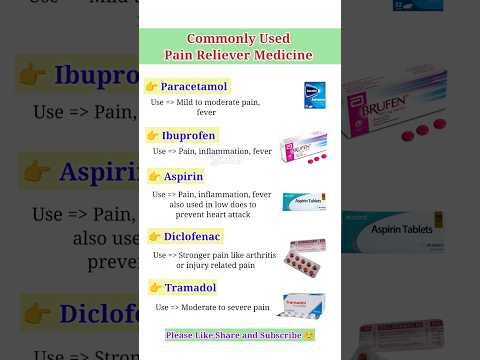
Excedrin is a popular over-the-counter medication often used for headaches. It typically combines acetaminophen, aspirin, and caffeine. Each of these ingredients plays a role in how Excedrin works.
Acetaminophen is a pain reliever that helps reduce fever and alleviate pain. It’s like a friend that gently takes away your discomfort without causing much fuss. Aspirin is another pain reliever but has some anti-inflammatory properties too. That means it can help with swelling, kind of like putting ice on an injury.
- Caffeine, on the other hand, might sound surprising as an ingredient in a painkiller! But it can actually enhance the effects of acetaminophen and aspirin.
- This trio is particularly effective for migraines or tension headaches.
Benefits of Using Excedrin
This medicine can be quite effective for many people dealing with recurring headaches. Depending on the individual, some may find relief more quickly than others—sometimes as fast as 30 minutes!
Look, if you’ve ever had a caffeine boost from coffee and felt that extra alertness, that’s one reason why it works well in Excedrin. It may enhance blood flow by opening up blood vessels which can relieve headache symptoms.
Possible Risks to Consider
- While many tolerate Excedrin well, it’s important to be aware of potential side effects.
- For instance, taking too much acetaminophen can lead to liver damage over time because your liver processes this medication.
Aspirin can irritate your stomach lining which might lead to ulcers if taken excessively or without food. Caffeine isn’t without its downsides either; high amounts can cause jitters or insomnia for some people. So moderation is key!
Interactions with Other Medications
If you’re on other medications or have existing health conditions, it’s good to check interactions before using Excedrin. For example:
- Aspirin can interact poorly with blood thinners like warfarin.
- Certain medications for gout also don’t mix well with aspirin.
Final Thoughts on Finding Relief
If you’re considering using Excedrin for headache relief, remember that all medicines have their pros and cons. It’s always wise to think about how often you get headaches and what might be causing them in the first place.
You know how sometimes stress or poor sleep patterns play into your headache habits? Identifying triggers could improve things more than relying solely on medication! Always consult someone who knows about these things if you’re unsure about what’s best for you—even simple changes in lifestyle could make a big difference.
Understanding Pain Reliever Plus: Uses, Risks, and Interactions
When it comes to managing pain, knowing what you’re putting in your body is really important. Pain Reliever Plus typically refers to a combination medication that includes ingredients like acetaminophen and ibuprofen. Both of them work, but they do so in different ways.
Acetaminophen helps reduce fever and relieve mild to moderate pain by blocking signals in the brain. On the other hand, ibuprofen is part of a class of drugs called NSAIDs—Non-Steroidal Anti-Inflammatory Drugs—that not only alleviate pain but also reduce inflammation.
Uses
This combination can be effective for various conditions. Say you have a headache or muscle ache; Pain Reliever Plus might help take the edge off. It’s also useful for post-surgical recovery or dental pain relief. But it’s essential to follow dosage guidelines closely.
Risks
However, with benefits come risks. Overuse can lead to liver damage from acetaminophen or gastrointestinal issues from ibuprofen. Mixing these with alcohol or certain other medications can increase risks significantly. So it’s crucial to read labels and consult healthcare providers when unsure.
Interactions
If someone is taking medications like blood thinners, it could lead to unexpected effects when using Pain Reliever Plus. The interaction could either amplify side effects or diminish effectiveness, which is why open communication with doctors about current medication is key.
Ultimately, while Pain Reliever Plus can make a difference in managing discomfort, understanding its uses, risks, and potential interactions will empower people to use it safely and effectively. Educating oneself truly enhances the pain management experience.